

Based on your book
The Loser
by Bernhard, Thomas
The Loser is a relentless, claustrophobic meditation on the corrosive nature of genius. The story centers on three piano students who encounter Glenn Gould, a prodigy so transcendent he renders their own musical ambitions instantly obsolete. The narrator is one of these students, a man whose life has been hollowed out by the realization that he will never reach the heights of his idol. Bernhard writes in long, unbroken paragraphs that function like a fever dream, circling the same memories and grievances until they become unbearable. There is no relief here, only the cold, precise dissection of a failed life. This book is for readers who appreciate dark, intellectual rigor and are not afraid of a narrator who is deeply unlikable, bitter, and profoundly honest about the tragedy of mediocrity.
10 Books similar to 'The Loser'
If the bleak, obsessive spiral of The Loser left you feeling unsettled, these ten selections explore similar landscapes of intellectual isolation and existential failure. We chose these works because they mirror Bernhard's commitment to the internal monologue of the outsider, whether through the misanthropic cynicism of Dostoevsky or the crushing, stagnant ambition found in Buzzati. These authors excel at mapping the distance between human potential and reality. If you are drawn to the way a brilliant mind can slowly dismantle itself, this collection offers a deep, rigorous look at the burden of self-consciousness and the struggle for identity.
As an Amazon Associate, we earn from qualifying purchases.

Like Bernhard, Dostoevsky crafts a brilliant, bitter, and isolated narrator who dissects his own failures and misanthropy with relentless intellectual intensity. Both works serve as foundational texts for the study of existential resentment and the crushing weight of self-consciousness.

Beckett’s prose shares Bernhard’s obsession with the futility of existence and the breakdown of language, utilizing a similarly hypnotic, repetitive narrative voice. Readers drawn to the obsessive, spiraling thoughts of the narrator in 'The Loser' will find a kindred spirit in Beckett’s decaying, disintegrating characters.

by Robert Musil
This monumental work captures the intellectual decay and cultural stagnation of the Austro-Hungarian empire, echoing Bernhard's critical stance toward European high culture. It offers a similarly dense, analytical, and deeply philosophical examination of a man struggling to find meaning in a world of mediocrity.

by Knut Hamsun
Hamsun's masterpiece delves into the psychological disintegration of an artist living on the margins of society, mirroring the obsession and self-destruction found in 'The Loser.' Both novels are deeply uncomfortable, intimate portraits of minds unraveling under the pressure of their own perceived inadequacies.

Prefer to listen?
Try Audible and hear the story instead of reading it.
As an Amazon Associate, we earn from qualifying purchases.

Since this is a semi-autobiographical work by Bernhard himself, it is essential for understanding the author's obsession with genius, madness, and the burden of intellectual lineage. It provides a more personal, yet equally biting, look at the same themes of failure and artistic legacy that permeate 'The Loser'.

Broch’s stream-of-consciousness narrative about the final hours of the poet Virgil shares the relentless, lyrical, and claustrophobic intensity of Bernhard's prose. It is a profound meditation on the failure of art to capture truth, a theme that sits at the very heart of 'The Loser'.

Céline’s misanthropic, cynical, and deeply disillusioned narrative voice is a perfect match for the tone of Bernhard's work. Both authors excel at exposing the grotesque underbelly of human nature and the absurdity of social institutions through a relentless, biting style.
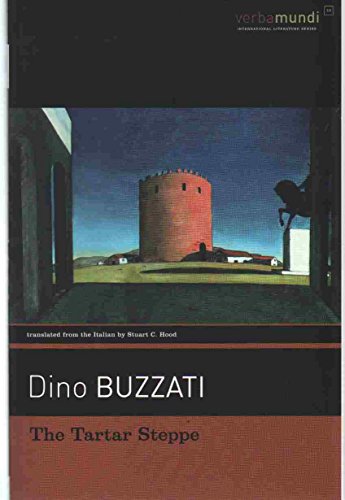
by Dino Buzzati
This novel perfectly captures the theme of waiting for a life-defining moment that never arrives, echoing the wasted potential and obsession with failure in 'The Loser'. It is a haunting, atmospheric study of a man who sacrifices his life to an empty ambition, mirroring the protagonists' fixation on Glenn Gould.

Hesse explores the duality of the intellectual outsider, torn between the bourgeois world and the life of the spirit, which resonates strongly with the struggles of Bernhard's characters. It is a classic exploration of the existential crisis and the alienation of the artist.

by Italo Svevo
Svevo’s irony-laden, psychological exploration of a man who cannot seem to make a decision or succeed in life is a lighter, yet equally profound, companion to 'The Loser'. It captures the same obsessive, neurotic internal monologue, albeit with a more humorous and satirical edge.

Love to read on the go?
Explore Kindle e-readers and take your books with you.
As an Amazon Associate, we earn from qualifying purchases.
As an Amazon Associate, we earn from qualifying purchases.