

Based on your book
The Luminaries
by Eleanor Catton
Set during the mid-19th-century gold rush in New Zealand, this story follows Walter Moody as he stumbles into a clandestine meeting of twelve men who have gathered to discuss a series of unsolved crimes. The narrative structure is intentionally rigid, mirroring the movements of the stars and planets, which adds an eerie sense of predestination to the unfolding mystery. Reading this is a slow, immersive undertaking; the prose is dense, ornate, and demands your full attention as the perspective shifts constantly between the cast of characters. It feels less like a traditional whodunnit and more like a puzzle box designed to be examined from every angle. This is the perfect pick for readers who want to get lost in a massive, atmospheric world and do not mind a deliberate pace that prioritizes intricate construction over quick action.
10 Books similar to 'The Luminaries'
If the structural ambition and period immersion of The Luminaries hooked you, these selections were curated to honor that same intellectual rigor. We chose these titles because they share a fascination with how history is filtered through unreliable memory, the weight of societal expectations, and the tension between individual agency and inevitable fate. Whether you are seeking the dense, puzzle-like plotting of a Victorian-era mystery or the sweeping, multi-layered character studies found in grand historical epics, these books capture that rare balance of stylistic complexity and deep, atmospheric mystery.
As an Amazon Associate, we earn from qualifying purchases.

by Sarah Perry
Like The Luminaries, this novel captures a specific historical moment with rich, atmospheric prose and a deep sense of mystery. It balances intellectual curiosity with the tension between scientific rationalism and superstition, much like Catton's exploration of fate and fortune.

This book shares the Victorian-era setting and the intricate, multi-layered narrative style of The Luminaries. It centers on a dense, ambiguous mystery that forces the reader to constantly question the truthfulness of the characters and the nature of memory.

Set in 17th-century Amsterdam, this novel offers a similarly immersive, claustrophobic, and highly detailed historical world. Readers who enjoyed the slow-burn mystery and the feeling of being trapped by fate in The Luminaries will appreciate the tension here.

For readers who loved the structural complexity and interlocking narratives of The Luminaries, this novel is a masterpiece of form. It weaves together disparate timelines and voices into a grand, philosophical tapestry that rewards attentive reading.

Love to read on the go?
Explore Kindle e-readers and take your books with you.
As an Amazon Associate, we earn from qualifying purchases.
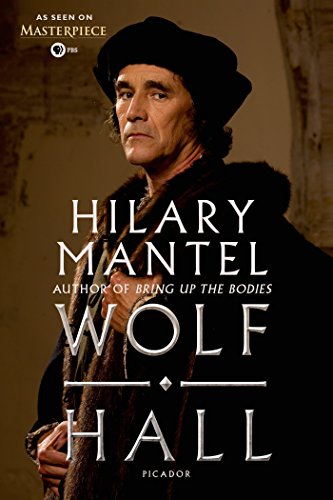
Fans of Catton's dense, immersive world-building and political maneuvering will find a kindred spirit in Mantel's portrayal of Thomas Cromwell. It is a masterclass in historical fiction that treats the past with both rigorous detail and psychological depth.

This is a massive, Dickensian mystery that mirrors the intricate plotting and expansive cast of characters found in The Luminaries. It is a challenging, rewarding read that demands patience as the complex web of secrets slowly unravels.
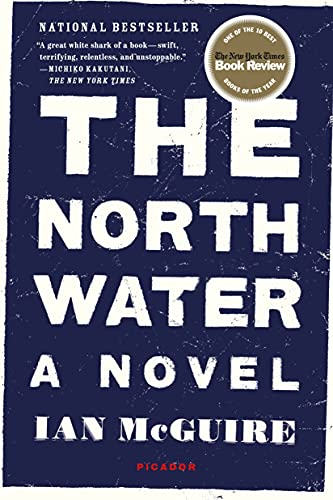
by Ian McGuire
If you enjoyed the gritty, raw, and dangerous atmosphere of the gold fields in The Luminaries, this novel offers a similarly visceral experience. It is a brutal, suspenseful tale of survival set against the unforgiving backdrop of an Arctic whaling expedition.

by A.S. Byatt
Like The Luminaries, this novel is highly literary, intellectually demanding, and deeply concerned with the way history is constructed and interpreted. It features dual timelines and a mystery that unfolds through letters, journals, and academic obsession.

This sweeping historical novel matches the ambition and scope of The Luminaries, following a brilliant protagonist through a life of scientific discovery and global travel. It captures the spirit of the 19th-century intellectual landscape with great care and beauty.

by Dan Simmons
Blending historical fact with dark, speculative fiction, this novel captures the obsession and paranoia that can drive a narrative. Fans of Catton's intricate, slightly eerie, and period-specific writing will find this deep dive into Dickens' final years fascinating.

Not sure what they've already read?
Let them pick their next favorite with an Amazon Gift Card.
As an Amazon Associate, we earn from qualifying purchases.
As an Amazon Associate, we earn from qualifying purchases.