

Based on your book
The Make-Believe
by Murray, Hannah
Hannah Murray offers a stark, deeply interior look at growing up within the Children of God. This is not just a recounting of trauma, but a slow, methodical peeling back of the layers of indoctrination that defined her early years. The writing is quiet and contemplative, focusing heavily on the internal dissonance of reconciling a childhood built on performance and religious fervor with the reality of the outside world. It feels like watching someone meticulously reassemble their own mind piece by piece. The pacing is patient, favoring heavy, lingering moments of reflection over sensationalism. It is a demanding read that requires emotional stamina, perfect for those who are drawn to memoirs that explore the messy, non-linear process of finding a self after that self has been systematically erased by a high-control environment.
10 Books similar to 'The Make-Believe'
If the quiet intensity of this memoir left you wanting to explore the broader landscape of cult survival and identity reconstruction, these titles are essential companions. We chose these books because they mirror the specific ache of shedding a foundational worldview. Whether through the lens of investigative reporting or intimate personal accounts, these selections examine how language, family loyalty, and religious dogma work to suppress the individual. If you are interested in the mechanics of indoctrination or the long, difficult road toward reclaiming one's own autonomy, this collection provides both emotional resonance and intellectual clarity.
As an Amazon Associate, we earn from qualifying purchases.

Like 'The Make-Believe', this memoir chronicles the struggle of breaking free from an intensely isolated and dogmatic upbringing to forge an independent identity. Both books offer a harrowing yet deeply reflective look at the cost of leaving behind one's family and belief system.

This memoir shares the narrative of a woman escaping a restrictive religious community, mirroring the themes of indoctrination and the difficult path to self-discovery found in Murray's work. It captures the same sense of profound isolation and the courage required to build a new life from scratch.

by Emma Cline
While fictional, this novel masterfully explores the psychology of cult indoctrination and the vulnerability of young women seeking belonging. It resonates with the themes of manipulation and the 'make-believe' reality that cults construct for their followers.

by Amber Scorah
Scorah's memoir of leaving the Jehovah's Witnesses provides a parallel experience of shedding a high-control group identity. Readers who appreciated the candid, analytical look at religious trauma in 'The Make-Believe' will find this equally gripping and insightful.

Prefer to listen?
Try Audible and hear the story instead of reading it.
As an Amazon Associate, we earn from qualifying purchases.

by Leah Remini
This memoir provides a firsthand account of the internal mechanisms of a high-control group, much like Murray's examination of the Children of God. It offers a similar blend of personal narrative and critical deconstruction of a dangerous belief system.

by Jon Krakauer
Krakauer combines investigative journalism with narrative storytelling to explore the dark side of fundamentalist religious groups. Fans of the critical analysis and historical context within Murray's memoir will appreciate this deep dive into the dangers of unchecked zealotry.

by Phuc Tran
This memoir explores the experience of an immigrant child trying to navigate a new culture while reconciling with his past, echoing the 'fish out of water' feeling of leaving a cult. It shares a similar tone of reflective, sometimes humorous, introspection regarding one's formative years.
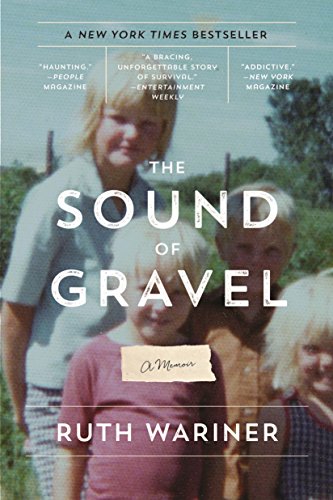
by Ruth Wariner
Wariner recounts her childhood in a polygamist cult, providing a visceral and heartbreaking look at life within a closed, oppressive community. It mirrors the themes of childhood trauma and the eventual, painful realization that one's reality is built on lies.

For readers fascinated by the 'how' and 'why' behind the indoctrination described in 'The Make-Believe', this book offers a brilliant linguistic analysis of how cults use language to control. It provides the intellectual framework that complements Murray's personal story.

by J.D. Vance
While set in a different context, this memoir explores the struggle of escaping a cycle of dysfunction and poverty, which resonates with the theme of breaking generational patterns found in Murray's work. It touches on the difficulty of leaving behind a community that shaped your identity.

Love to read on the go?
Explore Kindle e-readers and take your books with you.
As an Amazon Associate, we earn from qualifying purchases.
As an Amazon Associate, we earn from qualifying purchases.