

Based on your book
The man who laughs
by Victor Hugo
The Man Who Laughs pulls you into a deeply unsettling yet strangely beautiful world, following Gwynplaine, a young man whose face was cruelly carved into a perpetual, grotesque smile. Abandoned as a child, he finds an unlikely family with a philosopher-showman and a blind girl. Hugo paints a vivid, often disturbing picture of 17th-century England, using Gwynplaine's journey to dissect the era's brutal class inequalities and political corruption. This isn't a light read; it's a grand, emotionally charged epic that can feel overwhelming at times, with its stark contrasts between innocence and depravity, tenderness and cruelty. You'll find yourself grappling with profound questions of identity, humanity, and justice. If you appreciate historical fiction that doesn't shy away from the darker corners of the human experience, packed with rich social commentary and a powerful, tragic emotional core, this book will stay with you long after the last page.
10 Books similar to 'The man who laughs'
If The Man Who Laughs resonated with your appreciation for stories of profound social commentary and unforgettable, often disfigured protagonists, you'll find similar depths in our curated list. We chose these books because they share Hugo's knack for epic historical sweep, confronting societal injustice and exploring the struggles of outsiders fighting for dignity. Whether it's the intense emotional journeys of characters battling adversity or the intricate critiques of class and power, these selections echo the powerful, sometimes disturbing, spirit of Gwynplaine's story.
As an Amazon Associate, we earn from qualifying purchases.

by Victor Hugo
As another masterpiece by Hugo, this epic delves deeply into themes of social injustice, poverty, and the human struggle for redemption, mirroring 'The Man Who Laughs' in its grand scope, dramatic storytelling, and profound critique of society.

by Victor Hugo
This novel shares a striking resemblance through its focus on a disfigured protagonist, social ostracization, and tragic unrequited love, all set against a richly detailed historical backdrop, much like Gwynplaine's story.

Dickens's classic offers a similarly sweeping historical narrative, exploring themes of revolution, social injustice, sacrifice, and the dramatic interplay between personal destinies and political upheaval, resonating with Hugo's dramatic flair.

This adventure saga shares the epic scope, intricate plotting, and themes of injustice, revenge, and a protagonist's dramatic transformation and struggle against powerful forces, making it a natural fit for fans of Hugo's grand narratives.

Love to read on the go?
Explore Kindle e-readers and take your books with you.
As an Amazon Associate, we earn from qualifying purchases.

by Mary Shelley
Shelley's seminal work explores the profound themes of monstrosity, societal rejection, and the search for identity, echoing Gwynplaine's struggle with his appearance and the world's perception of him, with a similar philosophical depth.

This novel delves into class distinctions, the formation of identity, and the impact of secrets and past events on a protagonist's life, offering a character-driven narrative with a dark, atmospheric tone akin to 'The Man Who Laughs'.
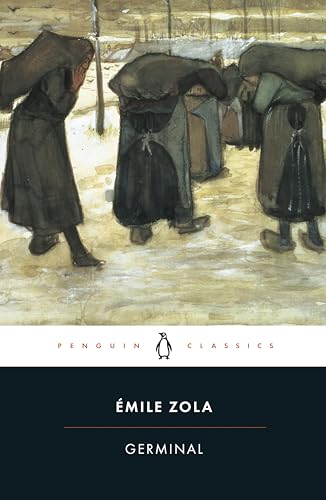
by Émile Zola
For readers drawn to Hugo's unflinching portrayal of social injustice and class struggle, Zola's 'Germinal' offers an equally powerful and gritty exploration of poverty, exploitation, and rebellion among the working class.

This gothic tale features a mysterious, disfigured protagonist who is an outcast, driven by unrequited love and secrets, creating a dark, atmospheric, and tragic romance that shares emotional and thematic ground with Hugo's novel.

by Emily Brontë
Brontë's intense and dark romance explores themes of social class, passionate yet destructive love, and revenge, with a melancholic atmosphere and tragic outcomes that resonate with the emotional depth of 'The Man Who Laughs'.

This sprawling novel critiques the legal system and social institutions with a complex plot and a large cast, offering a deep dive into societal flaws and the impact of secrets and injustice, much like Hugo's intricate social commentary.

Not sure what they've already read?
Let them pick their next favorite with an Amazon Gift Card.
As an Amazon Associate, we earn from qualifying purchases.
As an Amazon Associate, we earn from qualifying purchases.