

Based on your book
The Man with the Compound Eyes
by Ming-Yi, Wu
A massive island of plastic trash drifts toward the coast of Taiwan, carrying Atile'i, a young man from a remote island tribe who has been cast out by his people. His arrival coincides with the life of Alice, a woman struggling with the recent loss of her husband and son. What follows is a quiet, devastating meditation on how we inhabit a dying planet. Wu Ming-Yi writes with a gentle, dreamlike precision that makes the encroaching environmental disaster feel both intimate and inevitable. The pacing is deliberate, favoring philosophical reflection over high-octane spectacle. This is a story for readers who enjoy literature that blurs the lines between reality and myth, and who are willing to sit with the melancholy of human detachment from the natural world.
10 Books similar to 'The Man with the Compound Eyes'
Since you responded to the quiet, surreal exploration of environmental grief and identity in this novel, I have curated a list that shares its DNA. These selections lean into the same themes of existential displacement and the fragile boundary between humanity and the environment. Whether through the lens of memory, societal collapse, or metaphysical mystery, these books mirror the way Wu Ming-Yi uses magical realism to process our collective anxiety about the future. If you want to explore further, start with authors like Yoko Ogawa or Richard Powers for a similar, contemplative resonance.
As an Amazon Associate, we earn from qualifying purchases.

by Yoko Ogawa
Like Wu Ming-Yi's work, this novel uses surrealism to explore profound loss and the fragility of human connection in the face of an encroaching, oppressive force. It shares a melancholic, atmospheric tone that examines how memory and identity are tied to our physical world.

This book mirrors the dreamlike, genre-bending narrative style of Wu Ming-Yi, blending the mundane with the metaphysical. It captures a similar sense of a protagonist drifting through a reality that is slowly unraveling, filled with hidden worlds and deep symbolism.

Both novels grapple with the aftermath of environmental or societal collapse, focusing on the endurance of art and human connection amidst catastrophe. The narrative structure weaves together disparate lives, much like the interconnected characters in Wu Ming-Yi's story.
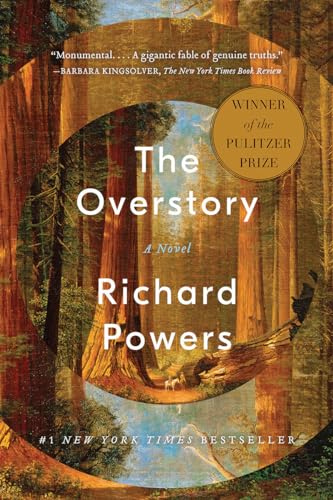
For readers drawn to the ecological themes of The Man with the Compound Eyes, this novel offers a sweeping, deeply researched look at the relationship between humans and the natural world. It elevates nature to a central character, mirroring the environmental consciousness found in Wu's writing.

Love to read on the go?
Explore Kindle e-readers and take your books with you.
As an Amazon Associate, we earn from qualifying purchases.

This novel shares the ambitious, multi-layered structure and the theme of interconnectedness across time and space. It resonates with fans who appreciate how Wu Ming-Yi links individual human struggles to larger, global environmental and existential shifts.

Featuring a blend of magical realism and philosophical inquiry, this book explores the boundary between the human and the supernatural. Its dreamlike logic and focus on characters finding their way in a shifting, uncanny world will feel very familiar to fans of Wu Ming-Yi.

by Han Kang
This novel offers a visceral, haunting look at a woman's transformation and her rejection of societal norms, echoing the themes of alienation and the human body's connection to nature. It is a powerful, disturbing exploration of identity that readers of Wu Ming-Yi will find deeply compelling.
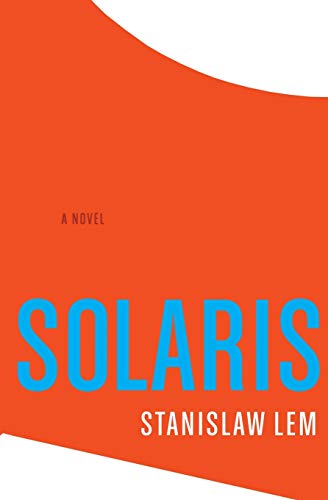
This classic science fiction novel explores the impossibility of fully understanding an alien intelligence, mirroring the way Wu Ming-Yi uses the 'Man with the Compound Eyes' to represent the unknowable nature of the environment. It is a deeply philosophical work about the limitations of human perception.

This novel shares a similar quiet, haunting tone as it explores the humanity of characters living in a world that views them as expendable. It captures the same bittersweet, reflective quality found in Wu Ming-Yi's work, focusing on the emotional weight of a changing, often cruel, world.

by Mohsin Hamid
Using magical realism to address the very real crisis of migration and displacement, this book mirrors the way Wu Ming-Yi uses fantasy elements to ground his commentary on environmental and social issues. It is a tender, imaginative look at how we seek connection in a fracturing world.

Not sure what they've already read?
Let them pick their next favorite with an Amazon Gift Card.
As an Amazon Associate, we earn from qualifying purchases.
As an Amazon Associate, we earn from qualifying purchases.