
Based on your book
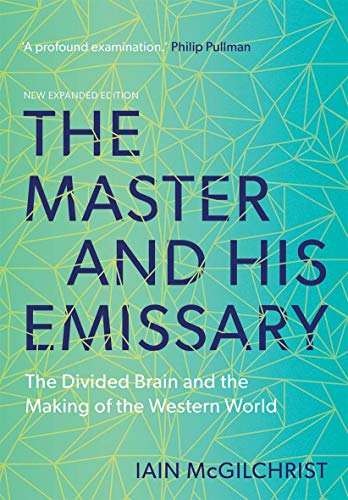
The Master and his Emissary
by Iain McGilchrist
Iain McGilchrist's "The Master and his Emissary" is a monumental work that delves into the profound implications of our brain's two hemispheres. He argues that the left hemisphere, while brilliant at analysis and manipulation, has gradually usurped the holistic, contextual understanding offered by the right, leading to a mechanistic, fragmented view of the world. Reading this book is a deeply reflective and intellectually demanding experience; it's dense, meticulously researched, and will frequently stop you in your tracks to ponder its vast implications. It's for the reader who craves a rigorous, philosophical journey into the nature of consciousness, cultural decline, and the very structure of human experience, willing to engage with a text that will fundamentally reshape how you see yourself and modern society.
10 Books similar to 'The Master and his Emissary'
If McGilchrist's profound exploration of the brain's hemispheres resonated deeply with you, these selections extend his conversation. They delve into the intricate relationship between our brain's architecture and our perception of reality, much like "The Master and his Emissary." You'll find continued engagement with themes of consciousness, the interplay of intuition and rational thought, and the broader cultural implications of our mental processes, all from different angles. These are books that challenge you to think about how we attend to the world and what shapes our understanding of it.
As an Amazon Associate, we earn from qualifying purchases.

As the direct successor to The Master and his Emissary, this work expands on the hemispheric hypothesis by exploring the metaphysical and epistemological implications of how we attend to the world. It is essential reading for those who want to see McGilchrist's theories applied to the nature of truth, value, and purpose.

by Oliver Sacks
This collection of clinical tales explores the profound relationship between brain function and human identity, much like McGilchrist's work. Sacks uses a deeply humanistic lens to examine neurological deficits, illustrating how the brain shapes our perception of reality.

Kahneman explores the dual-process model of the mind, distinguishing between intuitive and logical systems of thought. While more focused on cognitive psychology than neuroscience, it shares McGilchrist's interest in how different 'modes' of thinking compete and cooperate to govern human behavior.

by Rudolf Otto
McGilchrist frequently references the importance of the 'numinous' and the limits of rationalism, themes that are central to Otto's classic study of the non-rational element in religious experience. It provides a historical and philosophical framework for understanding the 'Right Hemisphere's' connection to the sacred.

Love to read on the go?
Explore Kindle e-readers and take your books with you.
As an Amazon Associate, we earn from qualifying purchases.

Jaynes presents a bold, controversial theory about the evolution of the human brain and the development of self-awareness. Like McGilchrist, he uses a mix of neuroscience, history, and literature to argue that our mental architecture has fundamentally shifted over time.

Sapolsky provides a massive, multi-disciplinary look at why humans act the way they do, ranging from neurobiology to sociology. Its sweeping scope and ability to synthesize complex scientific data into a narrative about human nature will resonate with McGilchrist's readers.

by Guy Debord
This philosophical work critiques the modern obsession with representation and mediation over direct experience. It aligns perfectly with McGilchrist's concerns about the Left Hemisphere's tendency to prefer maps and symbols over the 'lived' reality of the Right Hemisphere.

by George Lakoff and Mark Johnson
McGilchrist argues that metaphor is not just a linguistic tool but a fundamental way the Right Hemisphere understands the world. Lakoff and Johnson provide the foundational linguistic and cognitive evidence for how metaphor shapes our conceptual systems and everyday reality.

Huxley's exploration of consciousness and the 'reducing valve' of the brain mirrors McGilchrist's discussion on how our biology filters reality. It offers a more experiential and lyrical perspective on the themes of perception and the limitations of the rational mind.
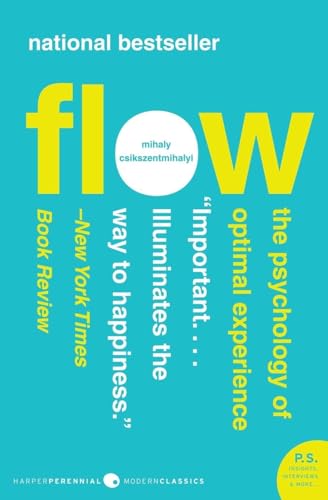
This book examines the state of 'flow'—a focused, holistic engagement with the world that McGilchrist would associate with healthy Right Hemisphere function. It offers a psychological roadmap for achieving the balance and presence that McGilchrist argues is missing in modern life.

Not sure what they've already read?
Let them pick their next favorite with an Amazon Gift Card.
As an Amazon Associate, we earn from qualifying purchases.
As an Amazon Associate, we earn from qualifying purchases.