

Based on your book
The Mathematics of Love
by Fry, Hannah
Hannah Fry takes the messy, often irrational experience of finding a partner and holds it up to the cold, clear light of mathematics. Rather than treating romance as a purely mystical or emotional endeavor, she uses game theory, probability, and statistics to map out why we choose who we choose and how we can optimize our search for a partner. The book feels like a conversation with a brilliant, witty friend who happens to be a mathematician; it is brisk, intellectually playful, and surprisingly grounded. It does not promise a formula for perfect happiness, but it does offer a fascinating lens through which to view your own romantic history. If you are the type of reader who enjoys questioning common wisdom or seeing how numbers can quantify the most unpredictable parts of human behavior, this will feel like a refreshing, sharp-edged toolkit for your love life.
10 Books similar to 'The Mathematics of Love'
Since you enjoyed the way Fry uses data to demystify romance, you will likely appreciate these books that apply similar analytical frameworks to the broader human experience. We selected these titles because they treat life as a series of solvable puzzles, whether that involves understanding the randomness of success, the hidden logic of computer algorithms, or the psychological biases that influence our daily choices. Each of these authors shares that same curiosity about the invisible structures governing our world, making them perfect follow-ups for anyone who wants to keep applying a mathematical or scientific lens to their reality.
As an Amazon Associate, we earn from qualifying purchases.

Written by one of the founders of OkCupid, this book uses massive datasets to reveal the hidden patterns of human behavior in dating and social interaction. It mirrors Hannah Fry's analytical yet accessible approach to uncovering the science behind our romantic lives.

For readers who enjoyed the mathematical breakdown of life's complexities in Fry's work, this book offers a masterclass in understanding the data that shapes our world. It shares the same clarity and enthusiasm for finding truth within numbers.
This book takes a similarly evidence-based approach to romance, helping readers navigate the complexities of finding and keeping love. It feels like a natural companion to Fry's work, bridging the gap between mathematical theory and practical relationship advice.

by Brian Christian and Tom Griffiths
This book brilliantly applies computer science concepts to everyday human decision-making, much like Fry applies math to love. It is perfect for readers who love seeing how abstract logic can solve the messy, unpredictable problems of being human.

Not sure what they've already read?
Let them pick their next favorite with an Amazon Gift Card.
As an Amazon Associate, we earn from qualifying purchases.
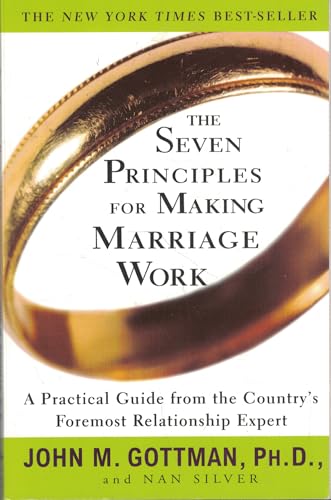
Gottman's work is the gold standard for the scientific study of relationships, providing the empirical foundation that many popular books on the subject build upon. Fans of Fry's analytical approach will appreciate the rigorous data-driven insights into what makes love last.

Ellenberg explores how mathematics permeates every aspect of our lives, from politics to medicine, with the same charming and accessible narrative voice as Hannah Fry. It is an essential read for anyone who wants to see the world through a more mathematical lens.

by Aziz Ansari
Ansari combines sociological research with his signature humor to explore the strange, digital landscape of modern dating. It shares the same curiosity about how technology and data have fundamentally altered the way we find and maintain romantic connections.

by Hannah Fry
Since you enjoyed Fry's voice and perspective on love, her follow-up book is an essential read that expands her scope to look at how algorithms influence justice, medicine, and transport. It maintains her signature blend of humanism and mathematical insight.
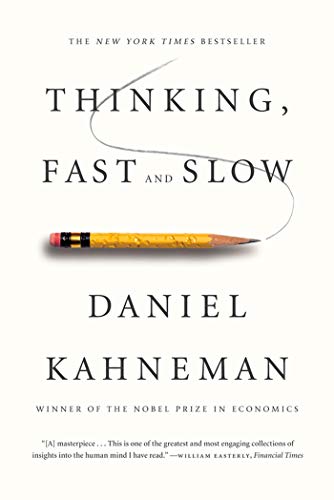
This seminal work on behavioral economics explains the biases and mental shortcuts that dictate our decision-making, providing the psychological framework that often underpins the mathematical patterns Fry discusses. It is a deep, rewarding dive into how our minds actually work.

Mlodinow masterfully explains how chance and probability govern our lives, offering a fascinating look at the 'math' behind our perceived successes and failures. It is perfect for readers who enjoyed Fry's exploration of how patterns dictate our romantic outcomes.

Prefer to listen?
Try Audible and hear the story instead of reading it.
As an Amazon Associate, we earn from qualifying purchases.
As an Amazon Associate, we earn from qualifying purchases.