

Based on your book
The Matter With Things
by Iain McGilchrist
Iain McGilchrist pulls off a rare feat here, crafting an exhaustive investigation into how our brains shape the reality we inhabit. He argues that our obsession with the left hemisphere’s analytical, fragmented way of seeing has caused us to lose touch with the holistic, grounded wisdom of the right hemisphere. It is a slow, meditative, and intensely demanding read that functions less like a standard nonfiction book and more like a long-term intellectual project. You will find yourself pausing every few pages to re-evaluate your own assumptions about science, art, and the nature of existence. This is not for the casual skimmer; it is built for the reader who enjoys wrestling with big, messy questions and does not mind a book that requires a commitment of several months to fully unpack.
10 Books similar to 'The Matter With Things'
If this deep dive into the architecture of thought resonated with you, these selections were chosen to sustain that specific intellectual hunger. We focused on works that challenge the reductionist status quo, whether through systems theory, phenomenology, or the intersection of physics and philosophy. From Kahneman’s psychological frameworks to Pirsig’s search for quality, these titles share a common goal: breaking the spell of a purely materialist worldview. Whether you want to explore the mystical dimensions of perception or the structural limitations of scientific paradigms, this list offers a map for further existential inquiry.
As an Amazon Associate, we earn from qualifying purchases.
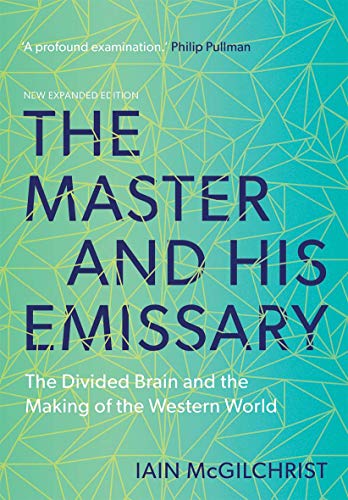
This is the foundational text that precedes 'The Matter With Things,' detailing the author's core thesis on hemispheric brain differences. It is essential reading for understanding the scientific and philosophical framework upon which his later, more expansive work is built.
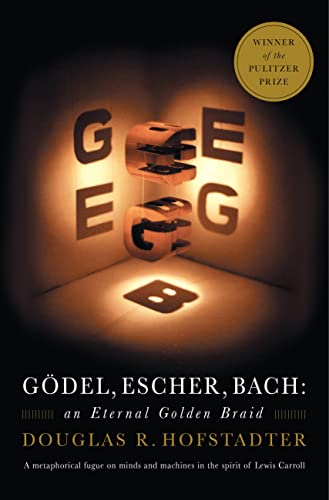
Like McGilchrist, Hofstadter explores the nature of consciousness and the limitations of reductionist thinking through a multidisciplinary lens. It shares the same rigorous, expansive intellectual ambition and fascination with how systems emerge from complex parts.

Huxley’s classic essay delves into the 'reducing valve' of the brain, a concept that resonates deeply with McGilchrist's ideas about how we filter reality. It provides a more mystical, yet equally profound, perspective on the limitations of our standard perception.
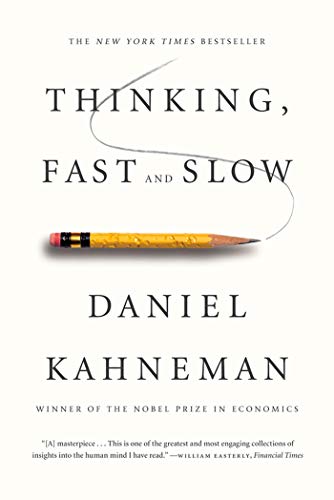
Kahneman’s exploration of the two systems of thought offers a psychological counterpart to McGilchrist's hemispheric theory. Readers will appreciate the rigorous scientific approach to understanding the biases and mechanisms that shape human judgment.

Prefer to listen?
Try Audible and hear the story instead of reading it.
As an Amazon Associate, we earn from qualifying purchases.

by David Abram
Abram bridges the gap between phenomenology and ecology, arguing that our disconnection from the natural world stems from our modes of perception. It echoes McGilchrist’s concern that our modern, left-hemisphere-dominated worldview has alienated us from the living earth.

This novel/philosophical treatise explores the dichotomy between the romantic and the classical, mirroring McGilchrist's interest in the tension between holistic and analytical ways of being. It is a profound meditation on how we perceive quality and meaning in the world.

Capra provides a systems-theory perspective on life and cognition, arguing against the mechanistic view of the universe that McGilchrist also critiques. It is an essential text for those interested in moving beyond reductionism toward a more integrated understanding of reality.

by Rudolf Otto
Otto’s exploration of the 'numinous' provides a theological and philosophical counterpoint to the purely materialist view of the world. It aligns with McGilchrist’s argument that there is a dimension of reality that eludes purely analytical or linguistic categorization.

Kuhn’s seminal work on paradigm shifts explains how our frameworks of understanding limit what we can see, a concept central to McGilchrist’s critique of the current scientific establishment. It is a vital read for understanding how knowledge is constructed and constrained.
by E. Fred Taylor and John Wheeler
This collection explores the idea that the observer is inextricably linked to the observed, a concept that resonates with McGilchrist’s view of the relationship between the subject and the world. It pushes the boundaries of physics and philosophy in a way that fans of dense, high-level theory will appreciate.

Love to read on the go?
Explore Kindle e-readers and take your books with you.
As an Amazon Associate, we earn from qualifying purchases.
As an Amazon Associate, we earn from qualifying purchases.