
Based on your book
The Meaning of History
by Erich Przywara
Erich Przywara does not offer an easy roadmap for understanding the chaos of human events. Instead, this book functions as a rigorous exercise in theological and philosophical tension, mapping the fragile space where secular ambition meets divine necessity. The prose is notoriously dense, demanding a high level of sustained focus as it untangles the dialectical forces that drive historical change. You will not find narrative beats here; rather, you will find a structural analysis of why history feels both inevitable and perpetually out of our control. It is a quiet, heavy, and deeply intellectual experience that feels more like a slow climb up a mountain than a casual read. Pick this up if you are looking to challenge your own assumptions about agency and fate, and if you possess the patience to sit with abstract, foundational questions about the nature of time.
10 Books similar to 'The Meaning of History'
If the gravity of Przywaras work resonates with you, consider these titles as essential companions for further exploration. We selected these books because they share a common preoccupation with the erosion of meaning in the modern age and the persistent struggle between human consciousness and historical reality. Whether you are interested in the existential absurdity found in Camus or the cultural decay chronicled by Huizinga, these authors engage with the same moral dilemmas and metaphysical crises. They provide the necessary context to further unpack the complex, dialectical relationship between our individual lives and the vast sweep of history.
As an Amazon Associate, we earn from qualifying purchases.

As a seminal work of Christian philosophy that examines the intersection of divine providence and human history, it serves as a foundational text for the themes Przywara explores. Readers interested in the theological interpretation of historical events will find this text essential and deeply resonant.

Guardini, a contemporary and intellectual peer of Przywara, offers a profound critique of the modern condition and the loss of metaphysical grounding. Fans of Przywara's dense, dialectical approach to history and culture will appreciate this rigorous analysis.

by C.S. Lewis
This work mirrors Przywara's concerns regarding the erosion of objective truth and the spiritual vacuum created by modern secularism. It provides a concise yet powerful philosophical argument about the necessity of maintaining a moral and metaphysical framework for history.

Husserl's investigation into the 'lifeworld' and the crisis of rationality provides a rigorous, phenomenological counterpart to Przywara's theological history. Readers who enjoy untangling the complex relationship between human consciousness and historical reality will find this highly rewarding.

Love to read on the go?
Explore Kindle e-readers and take your books with you.
As an Amazon Associate, we earn from qualifying purchases.

Berdyaev shares Przywara's existential and theological depth, focusing on the human spirit's role within history and creation. This book offers a complementary perspective on the dynamism of history and the necessity of metaphysical meaning.

by Albert Camus
While Camus approaches the 'meaning of history' from a secular, existentialist viewpoint, his rigorous grappling with the absurdity of existence serves as a provocative counterpoint to Przywara's theological arguments. It is a must-read for anyone fascinated by the search for meaning in a seemingly silent universe.

Huizinga provides a masterful historical analysis of the cultural and psychological shifts that define the end of an era, echoing Przywara's interest in the 'turns' of history. It is an essential, scholarly examination of how historical consciousness evolves.
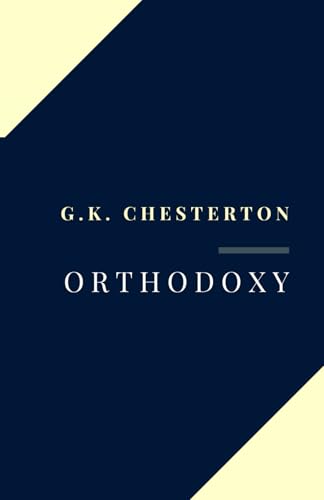
Chesterton offers a unique, paradoxical, and deeply philosophical defense of faith that aligns with Przywara's dialectical method. Readers who enjoy the intellectual rigor of theological arguments combined with a vibrant, historical perspective will find this book both challenging and delightful.

Arendt’s monumental study of the political and historical forces that shaped the modern era provides the necessary context for the historical anxieties Przywara addresses. It is a dense, deeply analytical work that explores the collapse of traditional meaning in the face of modern power.
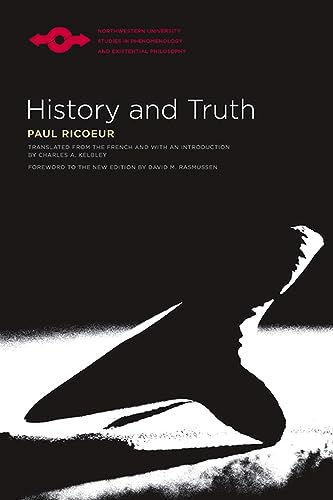
by Paul Ricoeur
Ricoeur explores the tension between historical objectivity and the subjective nature of human existence, mirroring the core dialectic of Przywara's work. This collection of essays is perfect for readers who want to dive deeper into the philosophy of history and the nature of truth.

Not sure what they've already read?
Let them pick their next favorite with an Amazon Gift Card.
As an Amazon Associate, we earn from qualifying purchases.
As an Amazon Associate, we earn from qualifying purchases.