

Based on your book
The Microtremor Survey Method
by Hiroshi Okada
Hiroshi Okada’s The Microtremor Survey Method is a precise, technical exploration of how we can use ambient earth vibrations to map subsurface structures. Rather than relying on large-scale, expensive seismic sources, Okada details the elegance of passive observation—listening to the constant, low-level hum of the planet to reveal what lies beneath our feet. The reading experience is clinical and deeply methodical, demanding a high level of intellectual engagement. It reads like a long-form conversation with an expert who values clarity over flash, stripping away the noise to focus on signal processing and site characterization. This is not a casual read; it is a rigorous, essential manual for geophysicists and engineers who prefer the nuance of data-driven field work over theoretical abstraction. If you appreciate the intersection of historical development and practical, high-stakes application, this book provides the foundational logic you need.
10 Books similar to 'The Microtremor Survey Method'
If the technical precision of Okada’s work resonates with you, these selections provide the necessary framework to expand your expertise. We have curated these titles because they bridge the gap between Okada’s specific survey methodology and the broader field of seismic physics. Whether you are looking to master inverse theory with Menke or explore the mathematical bedrock of wave propagation with Aki, these books share that same analytical spirit. They move beyond the surface, offering the deep-dive quantitative analysis required to turn raw, observational data into actionable geological insights.
As an Amazon Associate, we earn from qualifying purchases.

Like Okada's work, this is a foundational text for geophysicists, offering rigorous mathematical and physical analysis of seismic wave behavior. It provides the essential theoretical framework that complements the practical application of microtremor survey methods.

This book serves as a vital companion for anyone conducting geophysical surveys, as it details the inverse theory necessary to interpret the data collected via microtremor methods. It shares the same technical, problem-solving focus found in Okada's research.

For readers interested in the broader context of the earth sciences that Okada explores, this text offers a comprehensive overview of geophysical principles. It aligns with the technical depth and observational nature of microtremor studies.

by Oz Yilmaz
This is a quintessential reference for seismic processing, providing a deep dive into the methodologies that undergird survey techniques like those discussed by Okada. It is essential for professionals seeking to bridge the gap between theory and field application.

Not sure what they've already read?
Let them pick their next favorite with an Amazon Gift Card.
As an Amazon Associate, we earn from qualifying purchases.

by W.M. Telford
This classic textbook offers a broad look at the various methods used in geophysical exploration, including passive seismic methods. It complements Okada's specific focus by placing microtremor surveys within the wider toolkit of modern geophysics.
This work delves into the physics of earthquakes and the instrumentation used to measure them, echoing the instrumentation focus of Okada's book. It is perfect for readers who appreciate the technical rigor behind seismic data collection.

by Keiiti Aki
A seminal text that provides the mathematical bedrock for seismology, which is crucial for understanding the signal processing described in Okada's work. It is highly recommended for those who want to master the quantitative side of the microtremor method.
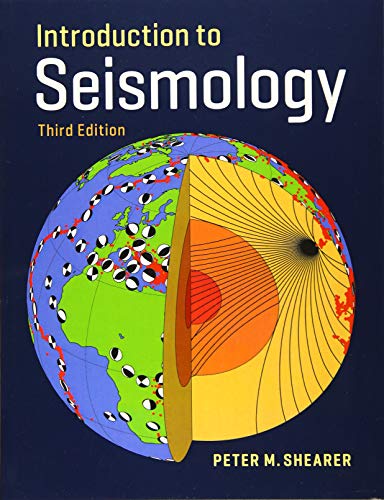
This book provides a clear, accessible entry point into seismological theory, making it an excellent bridge for readers moving from Okada's specific survey method to general seismic principles. It balances technical detail with readable explanations.
by M. Sambridge
Focusing on the interpretation of geophysical data, this book addresses the 'why' and 'how' behind the data processing steps that Okada outlines. It is an indispensable resource for understanding the inversion challenges inherent in microtremor surveys.
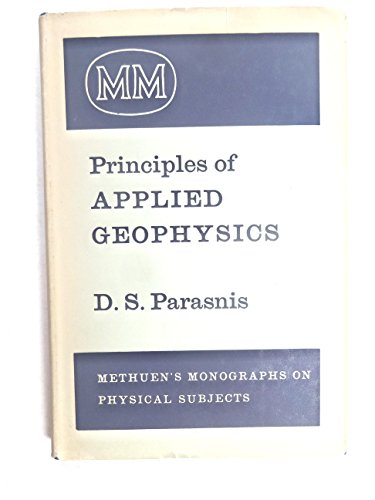
This concise volume covers the fundamental principles of various geophysical methods, offering a comparative perspective that highlights the unique utility of the microtremor survey method. It is highly valued for its clarity and practical focus.

Prefer to listen?
Try Audible and hear the story instead of reading it.
As an Amazon Associate, we earn from qualifying purchases.
As an Amazon Associate, we earn from qualifying purchases.