

Based on your book
The Museum of Human History
by Bergman, Rebekah
The Museum of Human History is an exercise in quiet obsession, centered on a collection that acts as both a sanctuary and a cage. Rebekah Bergman crafts a narrative that feels less like a traditional story and more like wandering through a hushed, dimly lit gallery where every artifact whispers a secret about the past. It is a deeply introspective look at how we curate our own identities through the things we choose to hold onto and the histories we desperately try to outrun. The pacing is deliberate and atmospheric, favoring emotional weight over quick resolution. If you appreciate prose that lingers on the texture of memory and you find beauty in the melancholy of lost things, this book will feel like a long, reflective conversation with your own ghosts.
10 Books similar to 'The Museum of Human History'
If the quiet, labyrinthine architecture of Bergman's museum resonated with you, these selections were curated to satisfy that same hunger for stories where objects and settings hold heavy, transformative power. We selected these titles because they share a preoccupation with the intersection of memory and legacy, often using a touch of magical realism or surrealism to ground their exploration of family secrets. Whether it is the preservation of art against the tide of time or the way our personal histories become artifacts, these books echo that specific, haunting feeling of being lost in a world that is meticulously curated.
As an Amazon Associate, we earn from qualifying purchases.

Like Bergman's work, this novel weaves magical realism into a multi-generational family saga, focusing on how the mysteries of the past define the present. It shares the same lyrical prose and exploration of how family secrets and inherited legacies shape individual identity.

Fans of the surreal, museum-like atmosphere in Bergman's novel will appreciate the labyrinthine, mythic quality of Morgenstern's storytelling. Both books center on characters who stumble into hidden worlds where stories and objects hold tangible, transformative power.

This novel features a 'Cemetery of Forgotten Books' that mirrors the obsessive, preservationist themes found in 'The Museum of Human History.' Both books are love letters to the act of collecting and the way history haunts those who try to curate it.

As a foundational text for the magical realism genre, this book shares the cyclical, dreamlike narrative structure that Bergman employs. It explores the rise and fall of a family line, where the line between reality and myth is constantly blurred.

Love to read on the go?
Explore Kindle e-readers and take your books with you.
As an Amazon Associate, we earn from qualifying purchases.

Set in a meticulously crafted historical world, this book shares the focus on objects—specifically miniatures—acting as harbingers of fate and secrets. The atmosphere is tense and claustrophobic, appealing to readers who enjoyed the unsettling, curated nature of Bergman's museum.

by Robin Sloan
This novel captures the same sense of wonder regarding the preservation of human history and knowledge. While more contemporary in tone, it shares the 'hidden world' trope and the obsession with uncovering the truth behind a mysterious, secretive institution.
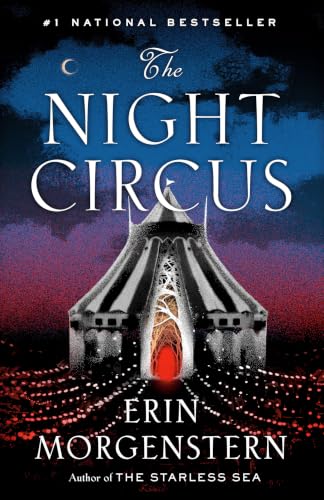
Both books excel at building a self-contained, immersive world where the setting itself is a character. Readers who enjoyed the aesthetic beauty and the slightly eerie, magical undertones of Bergman's prose will find a similar enchantment here.

by Mohsin Hamid
Hamid uses a subtle, magical element to explore profound themes of displacement and human history, much like Bergman uses her museum. The narrative voice is contemplative and observational, perfect for readers who appreciate literary fiction that pushes the boundaries of reality.

This classic saga of the Trueba family parallels the multi-generational scope of Bergman's writing. It masterfully blends political history with personal, magical experiences, creating a rich tapestry of memory and legacy that fans of 'The Museum of Human History' will recognize.

This book shares a deep preoccupation with the preservation of art and history in the face of loss. Its non-linear structure and focus on how objects connect people across time mirror the thematic concerns of Bergman's work.

Not sure what they've already read?
Let them pick their next favorite with an Amazon Gift Card.
As an Amazon Associate, we earn from qualifying purchases.
As an Amazon Associate, we earn from qualifying purchases.