

Based on your book
The Museum of Innocence
by Pamuk, Orhan
Kemal is a man of status in 1970s Istanbul who finds his life upended by a brief, illicit affair with a distant, younger relative named Fusun. What begins as a fleeting encounter evolves into a lifelong, all-consuming obsession that leaves Kemal detached from his social circle and tethered to the artifacts of his lost love. He begins to collect everyday items—a saltshaker, a hair clip, a cigarette butt—that were touched by Fusun, eventually curating them into a literal museum. The reading experience is slow, deliberate, and deeply melancholic, functioning as a meditation on how we use material objects to anchor our fading memories. This is for readers who appreciate patient, character-focused prose and aren't afraid of a story that lingers on the uncomfortable, often selfish side of yearning and the way history shapes our private grief.
10 Books similar to 'The Museum of Innocence'
If the specific ache of Kemal's obsession resonates with you, our curated list explores the anatomy of longing through various lenses. We selected these titles because they mirror Pamuk's interest in how memory acts as a physical weight on the present. Whether it is the material fixation found in Call Me by Your Name, the haunting social pressures in The End of the Affair, or the unreliable nature of the past in The Sense of an Ending, these works share a commitment to examining the destructive yet beautiful ways we cling to what we have lost.
As an Amazon Associate, we earn from qualifying purchases.

Like Pamuk, Kundera masterfully blends philosophical inquiry with the intricate, often tragic details of romantic obsession. Both novels explore the weight of history and memory on individual lives against a backdrop of shifting political landscapes.

This novel captures the same profound sense of longing and the painful, formative nature of first love that defines Kemal's journey. It shares a nostalgic, melancholic atmosphere where the past exerts a powerful, almost physical pull on the present.

by Ian McEwan
McEwan’s examination of how a single decision can haunt a lifetime mirrors the obsessive, lifelong fixation found in Pamuk’s work. The meticulous prose and focus on the consequences of secrets make it a perfect companion for fans of deep, character-driven narratives.

This classic exploration of jealousy, obsession, and the spiritual dimensions of love resonates deeply with the themes of 'The Museum of Innocence.' It features a narrator who is consumed by his past relationship, much like Kemal's fixation on Füsun.

Love to read on the go?
Explore Kindle e-readers and take your books with you.
As an Amazon Associate, we earn from qualifying purchases.

by Orhan Pamuk
For those who loved the specific cultural texture and the evocative setting of Istanbul in Pamuk's work, this novel offers a deeper dive into his stylistic brilliance. It captures the same tension between tradition and modernity, wrapped in a haunting, atmospheric narrative.

Duras writes with a lyrical, fragmented intensity that echoes Pamuk’s exploration of memory and desire. Both books are deeply concerned with the way we reconstruct our past selves and the intense, often forbidden nature of early romantic attachments.
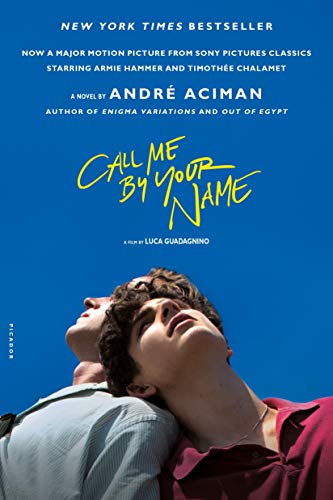
by André Aciman
This novel is a masterclass in the anatomy of desire and the way objects and places become imbued with the memory of a lost love. Readers who enjoyed the way Pamuk fetishized the artifacts of his protagonist's obsession will find a similar emotional resonance here.
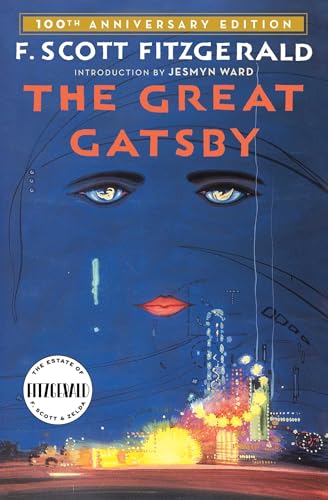
The quintessential story of a man who builds his entire existence around the pursuit of a lost love, Gatsby mirrors Kemal’s trajectory perfectly. Both novels examine the destructive power of nostalgia and the attempt to rewrite history through material accumulation.

While the plot differs, Saramago’s dense, philosophical style and his ability to create a claustrophobic, fully realized world will appeal to fans of Pamuk’s immersive storytelling. Both authors excel at using a central conceit to explore the depths of human behavior and social structures.

This Booker Prize-winning novel is a compact, devastating look at the unreliability of memory and how we curate our own life stories. It shares Pamuk's interest in the way the past is never truly dead, but rather something we are constantly reinterpreting.

Not sure what they've already read?
Let them pick their next favorite with an Amazon Gift Card.
As an Amazon Associate, we earn from qualifying purchases.
As an Amazon Associate, we earn from qualifying purchases.