

Based on your book
The Mushroom at the End of the World
by Anna Lowenhaupt Tsing
The Mushroom at the End of the World isn't a book you simply read; it's an invitation to shift how you see the world. Anna Lowenhaupt Tsing takes the humble matsutake mushroom as her guide, leading you through an intricate global supply chain that thrives not in pristine forests, but in damaged, human-altered landscapes. This isn't a narrative with a traditional plot, but rather a philosophical and anthropological inquiry into precarity, survival, and the surprising ways humans and non-humans forge connections amidst ecological disruption. You'll find yourself reflecting deeply on capitalism, progress, and what 'nature' even means. It's for the reader who enjoys rigorous, reflective thought, who isn't afraid to grapple with complex ideas, and who seeks a profound new lens on our interconnected, often messy, planet.
10 Books similar to 'The Mushroom at the End of the World'
For readers who found themselves captivated by Tsing's insights into precarious survival and the profound agency of the non-human world, our recommended list offers further journeys into interconnectedness and resilience. We've gathered books that, like Tsing's, challenge our assumptions about 'damaged' landscapes and illuminate the intricate webs of global systems through specific, unexpected lenses. Whether you're drawn to multispecies storytelling or philosophical inquiries into enduring environmental precarity, these titles will continue to expand your understanding of our shared, complex planet.
As an Amazon Associate, we earn from qualifying purchases.

Like Tsing, Kimmerer bridges the gap between scientific observation and cultural wisdom, exploring how humans can live in reciprocity with the natural world. It shares a deep focus on ecology, non-human agency, and the interconnectedness of all living things.

This book provides a more biological but equally philosophical companion to Tsing's work, detailing the hidden networks of fungi that sustain life on Earth. It captures the same sense of wonder regarding the complex, invisible systems that operate beneath our feet.

Haraway and Tsing are frequent intellectual interlocutors; this book explores how to live on a damaged planet through multispecies storytelling. It shares the same academic rigor and commitment to finding hope within environmental precarity.

Macfarlane explores the relationship between humans and the subterranean world, echoing Tsing's interest in the 'unseen' and the layers of history embedded in the landscape. The prose is similarly lyrical and deeply concerned with the Anthropocene.

Prefer to listen?
Try Audible and hear the story instead of reading it.
As an Amazon Associate, we earn from qualifying purchases.
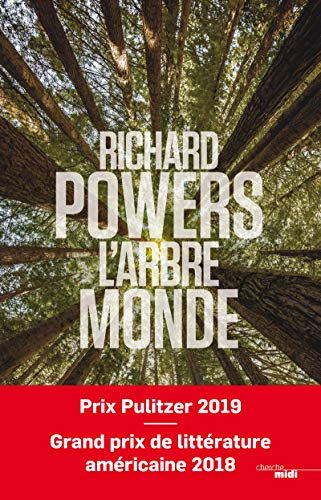
This novel mirrors Tsing's 'multispecies ethnography' by placing trees at the center of a sprawling narrative about human connection and environmental destruction. It shares the theme of finding meaning in the slow, non-human rhythms of the forest.

by Jane Bennett
Bennett's work on 'vital materialism' aligns perfectly with Tsing's exploration of how non-human entities like mushrooms have their own agency and political power. It is a foundational text for those interested in the philosophical implications of Tsing's research.

Haskell uses a similar localized approach to Tsing, focusing on specific trees to reveal the global networks of biology and commerce. It captures the same 'vibe' of finding the universal within the particular.

Solnit explores how people find community and purpose in the ruins of disasters, paralleling Tsing's study of the matsutake trade in 'disturbed' landscapes. Both authors find resilience and unexpected social structures in the face of collapse.

by Amitav Ghosh
Ghosh traces the history of a single commodity to explain the violent origins of our current environmental crisis, much like Tsing uses the matsutake mushroom to trace the paths of global capitalism.
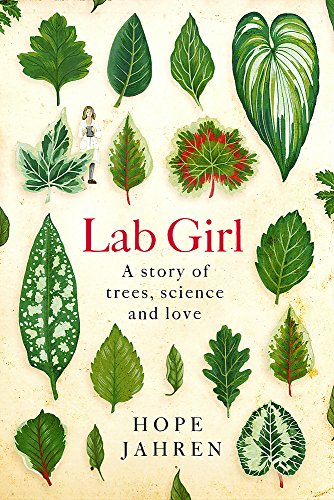
by Hope Jahren
While more of a memoir, Jahren's book shares Tsing's obsession with the minute details of plant life and the struggle of pursuing knowledge in a precarious world. It balances hard science with a deeply personal, reflective narrative voice.

Love to read on the go?
Explore Kindle e-readers and take your books with you.
As an Amazon Associate, we earn from qualifying purchases.
As an Amazon Associate, we earn from qualifying purchases.