

Based on your book
The Name of the Rose
by Eco, Umberto
William of Baskerville arrives at a remote, snow-bound Benedictine abbey in 1327 to participate in a theological debate, but finds himself playing detective instead. A series of gruesome, ritualistic deaths has left the monks terrified, and William must use his keen, logic-driven mind to decipher signs that seem to point toward the Book of Revelation. The reading experience is thick with the smell of old parchment, cold stone, and the suffocating weight of religious dogma. It is a slow-burn intellectual labyrinth where the plot is as much about the philosophy of laughter and the dangers of forbidden knowledge as it is about identifying a killer. This is for the reader who enjoys being challenged, who doesn't mind pausing to translate Latin or research historical theology, and who wants a mystery that treats the human intellect as its primary weapon.
10 Books similar to 'The Name of the Rose'
Since you finished The Name of the Rose, you are likely craving more stories that treat history as a complex, unreliable puzzle. We selected these titles because they share that specific DNA of scholarly obsession, where the hunt for truth is often more dangerous than the crime itself. Whether it is through the lens of rare book hunting, the shifting perspectives of academic research, or the claustrophobic tension of religious institutions, each of these books honors your interest in the intersection of intellectual history, dark atmospheric settings, and the intoxicating power of secret, hidden knowledge.
As an Amazon Associate, we earn from qualifying purchases.
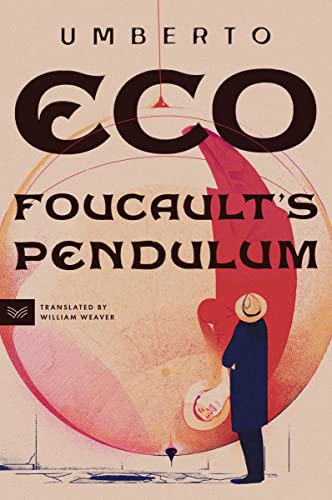
by Umberto Eco
If you enjoyed the dense intellectualism and labyrinthine conspiracies of The Name of the Rose, this is the logical next step. It explores the dangerous power of fabricated secrets and the obsession with hidden knowledge, written with the same erudite and challenging style.

by Iain Pears
Set in 1660s Oxford, this historical mystery uses multiple, conflicting narrators to investigate a suspicious death, mirroring Eco's obsession with truth and perspective. It is a masterclass in historical reconstruction and intellectual puzzle-solving.

This novel captures the gothic, book-centric atmosphere that readers of Eco adore, centered on a hidden library and the dangerous secrets contained within forgotten texts. It blends mystery with a deep, reverent love for literature.

A bibliophile's thriller that follows a rare book hunter caught in a web of occult mystery and literary obsession. Much like Eco's work, it treats books as physical objects of immense power and danger.

Love to read on the go?
Explore Kindle e-readers and take your books with you.
As an Amazon Associate, we earn from qualifying purchases.

by Caleb Carr
Set in 1896 New York, this novel combines historical rigor with a dark, procedural investigation that feels intellectually grounded. Readers who appreciated the forensic methodology used by William of Baskerville will find the early psychological profiling techniques fascinating.

by C.J. Sansom
The first in the Shardlake series, this book offers a similar blend of monastic setting, historical upheaval, and a sharp-witted investigator navigating dangerous political waters. It captures the same tension between faith, power, and the search for truth.

by Ken Follett
While more epic in scope than Eco's focused mystery, this novel provides an unmatched immersion into the medieval world, architecture, and the power dynamics of the church. It is essential reading for anyone captivated by the medieval setting of The Name of the Rose.

by A.S. Byatt
This novel weaves together modern academic research and Victorian literary history, mirroring Eco's love for scholarly puzzles and the interpretation of texts. It is a sophisticated, intellectual journey that rewards careful reading.

A massive, Dickensian mystery that is deeply layered with secrets and a labyrinthine plot that rivals Eco's complexity. It demands the same level of attention and rewards the reader with a fully realized, dark historical world.

Set in 14th-century Barcelona, this novel explores the intersection of the Inquisition, social hierarchy, and the construction of a great cathedral. It shares the same rich historical texture and focus on religious authority found in Eco's masterpiece.

Not sure what they've already read?
Let them pick their next favorite with an Amazon Gift Card.
As an Amazon Associate, we earn from qualifying purchases.
As an Amazon Associate, we earn from qualifying purchases.