

Based on your book
The Names
by Delillo, Don
James Axton is a risk analyst working in Athens, moving through a landscape of expats, diplomats, and corporate fixers. His life is defined by a low-level, persistent sense of displacement as he finds himself drawn into a mysterious cult that links violent, ritualistic murders across the Middle East to the very structure of language. DeLillo writes with a cold, precise intelligence, turning the mundane details of global travel and international bureaucracy into something deeply unsettling. You are not reading this for a fast-paced thriller plot, but for the way the sentences build a feeling of encroaching, existential dread. It is an ideal pick for readers who enjoy being challenged by complex, philosophical prose and who find the intersection of global power and individual paranoia to be the most compelling subject matter in fiction.
10 Books similar to 'The Names'
The books we have selected mirror the specific intellectual vertigo found in The Names. If you found yourself fascinated by the way DeLillo uses secret societies and global systems to examine personal isolation, you will appreciate how authors like Umberto Eco and Thomas Pynchon map out similar labyrinths of conspiracy. We chose these titles because they treat the world as a broken code, reflecting that same sharp, observational detachment. Whether it is the geopolitical alienation of Graham Greene or the historical fragmentation explored by W.G. Sebald, these stories capture the feeling of living inside a mystery that refuses to be solved.
As an Amazon Associate, we earn from qualifying purchases.

Like DeLillo's work, this novel explores paranoia, secret organizations, and the breakdown of communication in modern society. It shares the same intellectual intensity and sense of a hidden, menacing reality beneath the mundane surface.

This classic novel captures the same sense of American expatriate alienation and political entanglement in foreign lands that defines The Names. It offers a similarly detached, observational narrative voice analyzing the consequences of geopolitical interference.

by W.G. Sebald
Fans of DeLillo's precise, meditative prose will appreciate Sebald's deep exploration of memory, history, and the architecture of the past. It mirrors the intellectual rigor and the feeling of a character trying to piece together a fragmented reality.

This book features a complex, layered narrative structure that rewards readers who enjoy DeLillo's intricate plotting and focus on the power of language. It weaves together personal history and societal decay with a similarly enigmatic tone.

Love to read on the go?
Explore Kindle e-readers and take your books with you.
As an Amazon Associate, we earn from qualifying purchases.
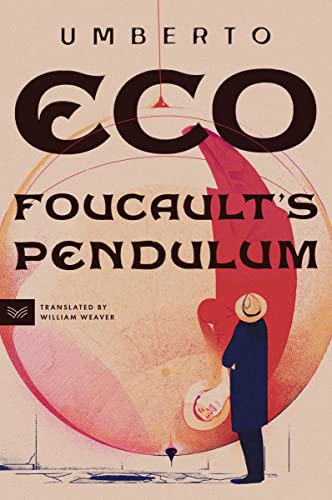
by Umberto Eco
This novel is a perfect match for those fascinated by the cult-like obsession and secret systems found in The Names. It is a dense, highly intellectual thriller about the dangers of interpreting patterns where none may exist.

by Paul Bowles
DeLillo often explores the American abroad, and this novel is the definitive text on that theme, featuring a visceral and haunting look at existential collapse in a foreign environment. It shares the same sense of dread and cultural displacement.

For readers who loved the global scope and the sense of impending, inexplicable violence in The Names, this masterpiece offers a similar sprawling, haunting examination of evil. It is deeply intellectual, challenging, and profoundly atmospheric.

This novel provides a sharp, satirical, and deeply analytical look at the intersection of intelligence work and personal identity. It echoes DeLillo's interest in the 'insider-outsider' perspective and the moral compromises of the Cold War era.

by J.M. Coetzee
Coetzee’s prose is as sharp and economical as DeLillo's, focusing on the disintegration of social order and personal morality. It is a stark, powerful examination of power dynamics and the inability to escape one's own history.

Sharing an obsession with the nature of reality, mathematics, and the lingering trauma of the past, this late-career work by McCarthy resonates with the intellectual dread found in DeLillo's fiction. It is a dense, philosophical, and mysterious journey.

Not sure what they've already read?
Let them pick their next favorite with an Amazon Gift Card.
As an Amazon Associate, we earn from qualifying purchases.
As an Amazon Associate, we earn from qualifying purchases.