

Based on your book
The Nuremberg System
by Cyr, Thomas
Cyr cuts through the traditional courtroom drama to examine the structural mechanics of the Nuremberg trials. Instead of a straightforward historical recap, this book functions as a cold, analytical breakdown of how international justice was built from the ground up under the pressure of global scrutiny. The tone is deliberate and dense, demanding your full attention as it dissects the legal architecture and the conflicting political agendas that shaped the post-war world. It feels less like a narrative and more like a high-stakes autopsy of a legal system in its infancy. If you are the type of reader who prefers granular detail over broad strokes, and you want to understand the uncomfortable intersection of bureaucracy and morality, this is for you. It is a demanding, cerebral experience that leaves you questioning the very nature of institutional accountability.
10 Books similar to 'The Nuremberg System'
The books selected here were chosen to help you explore the specific intersection of legal theory and political reality that Cyr highlights. If you are looking to expand your understanding of these trials, these titles offer a blend of primary source documents and rigorous academic analysis that mirror the systemic focus of The Nuremberg System. We have included works that delve into the philosophical roots of these war crimes and the intense, claustrophobic atmosphere of the courtroom, ensuring you have a complete picture of the moral dilemmas and geopolitical power dynamics at play.
As an Amazon Associate, we earn from qualifying purchases.
This book provides a detailed, behind-the-scenes account of the trials that mirrors the analytical depth of Cyr's work. It offers a gripping historical narrative that captures the tension and legal complexity of holding the Nazi leadership accountable.
Like 'The Nuremberg System,' this work balances the legal intricacies of the tribunal with the broader geopolitical ramifications of the post-WWII era. It is an essential read for those interested in how international law was fundamentally reshaped by these proceedings.

by David Irving
While controversial in its specific interpretations, this book provides a highly detailed, alternative look at the mechanics and the atmosphere surrounding the trials. It appeals to readers looking for a granular, intense, and deeply researched examination of the Nuremberg process.

A foundational text for anyone interested in the philosophy of justice and the nature of war crimes. Arendt's rigorous, observational style provides the same intellectual stimulation found in Cyr's analysis of the Nuremberg framework.

Not sure what they've already read?
Let them pick their next favorite with an Amazon Gift Card.
As an Amazon Associate, we earn from qualifying purchases.

by Ann Tusa
This book offers a comprehensive and accessible overview of the trial, focusing on the personalities and the legal battles that defined the courtroom. It matches the pacing and structured approach of 'The Nuremberg System' for readers seeking a clear historical narrative.

Conot reconstructs the trial through a narrative lens that feels almost like a suspenseful drama, making the complex legal proceedings accessible and compelling. It shares the 'systemic' focus of Cyr's work while maintaining a strong, readable pace.
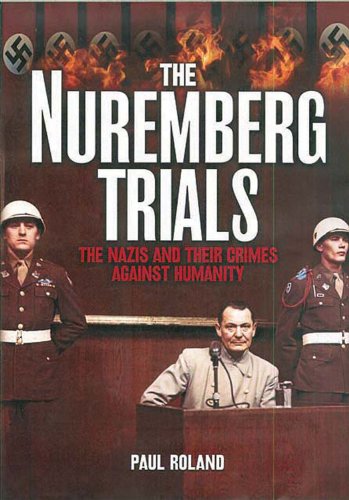
by Paul Roland
This book provides a concise, informative look at the trials, perfect for readers who appreciated the systematic breakdown of the Nuremberg process. It effectively contextualizes the legal arguments within the horrific reality of the crimes committed.

by Abby Mann
Though a dramatization, this work captures the moral weight and the intense, claustrophobic atmosphere of the courtroom proceedings better than many histories. It is a perfect companion for those who want to feel the emotional and ethical gravity of the Nuremberg legacy.
Reading the actual opening statement and arguments from the Chief Prosecutor provides a primary-source experience that complements Cyr's analytical commentary. It is an essential, gripping document for understanding the legal architecture built at Nuremberg.
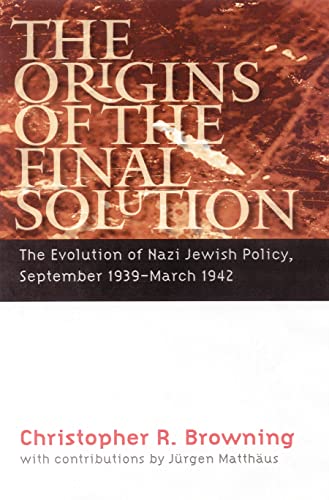
To understand the 'system' of Nuremberg, one must understand the system of the Holocaust; Browning's masterful analysis provides the necessary context for the crimes being prosecuted. It is deeply researched and provides the same level of intellectual rigor as Cyr's book.

Love to read on the go?
Explore Kindle e-readers and take your books with you.
As an Amazon Associate, we earn from qualifying purchases.
As an Amazon Associate, we earn from qualifying purchases.