

Based on your book
The One vs. the Many
by Woloch, Alex
Alex Woloch asks a deceptively simple question: what happens to the minor characters when the protagonist takes the stage? In this rigorous study, he argues that the novel is not just a story, but a finite space where character development is a zero-sum game. Every moment spent on a lead character is a moment taken away from the background, creating a tension that defines the architecture of Western fiction. Reading this feels like taking apart a clock to see how the gears grind against one another. It is an intellectual workout that demands your full attention, moving from dense theoretical foundations to sharp, analytical readings of classic texts. This is for the reader who finds themselves distracted by the background players in a Dickens novel or the silent servants in a Victorian drama, and who wants to understand the political economy of storytelling.
10 Books similar to 'The One vs. the Many'
Since you appreciated the way Woloch dissects the structural power dynamics of the page, these selections expand on that same analytical obsession. We have curated a list that bridges the gap between pure literary theory and the sociology of the novel, focusing on how narrative constraints mirror real-world social hierarchies. Whether you are interested in the Marxist underpinnings of character autonomy or the technical history of how plots are engineered, these works provide the essential context to deepen your understanding of the systemic forces that shape our favorite stories.
As an Amazon Associate, we earn from qualifying purchases.
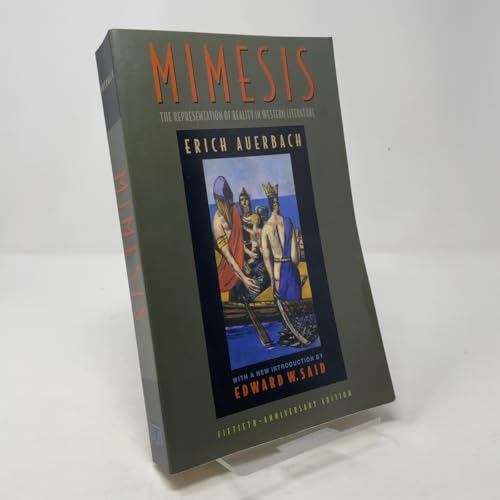
Like Woloch, Auerbach provides a foundational, rigorous analysis of how the novel form captures the complexity of human experience. It is an essential companion for anyone interested in the structural evolution of narrative and character representation.

by Ian Watt
This classic text explores the socio-economic conditions that allowed the novel to flourish, providing the historical context that Woloch builds upon in his study of character space. It offers a similarly deep, scholarly examination of the form's origins.

Genette’s structuralist approach to narratology provides the technical vocabulary and theoretical framework that underpins much of Woloch's argument about character distribution. It is a dense, rewarding read for those who enjoyed the methodological precision of 'The One vs. the Many'.
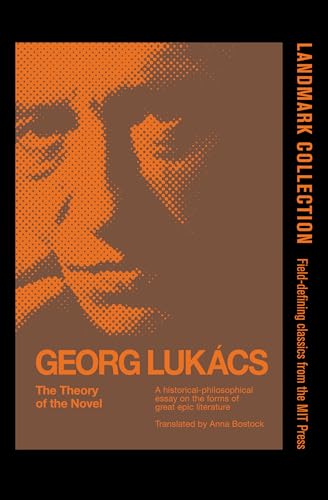
by Georg Lukács
Lukács's seminal work investigates the 'problematic individual' in the novel, a concept that sits at the very heart of Woloch's exploration of the protagonist versus the minor character. It provides the philosophical weight and Marxist perspective that informs Woloch's analysis.

Not sure what they've already read?
Let them pick their next favorite with an Amazon Gift Card.
As an Amazon Associate, we earn from qualifying purchases.

by Peter Brooks
Brooks examines the dynamics of narrative desire and the way plots drive characters toward their ends, complementing Woloch’s focus on how characters are constrained by narrative space. It is a brilliant study of how stories are constructed and consumed.

Jameson’s work is a cornerstone of literary theory that aligns with Woloch's interest in how narrative structures reflect broader political and social realities. Readers who appreciated the systemic critique in 'The One vs. the Many' will find this equally stimulating.

by D.A. Miller
Miller explores the relationship between narrative form and social control, offering a compelling look at how novels regulate character behavior. It shares the same keen eye for structural nuance and the interplay between the individual and the system as Woloch's work.

by Ann Caesar
This study delves into the relationship between authors and their creations, echoing Woloch's fascination with the autonomy and subordination of characters. It provides a focused, deep-dive analysis that will satisfy readers interested in the mechanics of characterization.

While more essayistic and personal than Woloch's academic text, Kundera’s reflections on the history and architecture of the novel offer a profound meditation on the 'character' as a vehicle for existential inquiry. It is a perfect bridge between theory and the lived experience of literature.
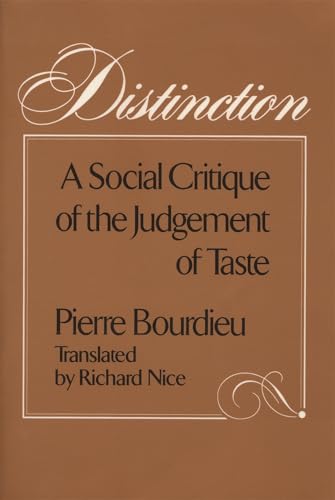
Though a work of sociology rather than literary criticism, Bourdieu's analysis of cultural capital is essential for understanding the class dynamics often present in the novels Woloch analyzes. It provides the broader social framework that makes the 'One vs. the Many' argument so powerful.

Prefer to listen?
Try Audible and hear the story instead of reading it.
As an Amazon Associate, we earn from qualifying purchases.
As an Amazon Associate, we earn from qualifying purchases.