

Based on your book
The Open Society and Its Enemies
by Popper, Karl
Karl Popper wrote this during the darkest days of the second world war, and you can feel that urgency on every page. It is a relentless, sharp-edged dismantling of the intellectual blueprints for authoritarianism. Popper takes aim at thinkers like Plato, Hegel, and Marx, arguing that their claims to possess the ultimate truth about history are exactly what lead to tyranny. The prose is heavy and dense, requiring your full attention, but the payoff is a clear-eyed defense of democracy as a system that allows us to correct our mistakes. This is not a casual weekend read; it is a rigorous intellectual workout for anyone who wants to understand why free societies are so fragile and why we should be deeply suspicious of anyone claiming to hold the master key to human progress.
10 Books similar to 'The Open Society and Its Enemies'
Since you enjoyed the rigorous inquiry found in Popper, these selections expand on the tension between individual autonomy and state power. We have curated a list that moves from the primary sources Popper critiques, like Plato and Hobbes, to the twentieth-century voices who witnessed the consequences of those ideas firsthand, such as Arendt and Milosz. Whether you are interested in the economic mechanics of freedom explored by Hayek or the psychological allure of dogma, these works provide a cohesive framework for examining how political systems survive, evolve, and occasionally collapse under the weight of their own utopian ambitions.
As an Amazon Associate, we earn from qualifying purchases.

Like Popper, Hayek provides a foundational critique of totalitarianism and central planning, arguing that the loss of economic freedom inevitably leads to the loss of political freedom. It is essential reading for anyone interested in the intellectual defense of liberal democracy against authoritarian encroachment.
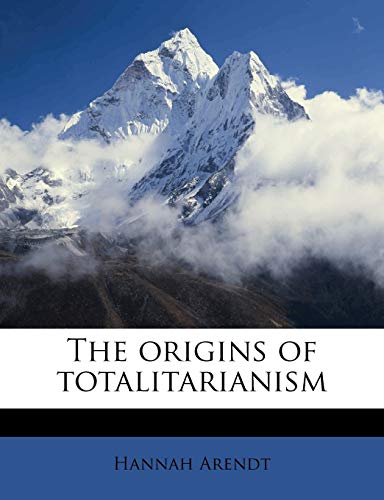
Arendt offers a profound, historical analysis of the rise of Nazism and Stalinism, providing a perfect companion piece to Popper's critique of historicism. Her work masterfully dissects the mechanisms by which totalitarian regimes dismantle the open society.

While a work of fiction, Orwell's masterpiece dramatizes the exact dangers of the 'closed society' that Popper warns against in his philosophical treatise. It serves as a terrifying, visceral illustration of the loss of objective truth and individual autonomy.

Berlin’s seminal essay explores the distinction between 'negative' and 'positive' liberty, echoing Popper's concerns about how utopian visions can be used to justify coercion. It is a concise, brilliant exploration of the philosophical underpinnings of a free society.

Prefer to listen?
Try Audible and hear the story instead of reading it.
As an Amazon Associate, we earn from qualifying purchases.

by Plato
To truly understand Popper's critique, one must engage with the primary source he attacks; this is the seminal text that Popper identifies as the origin of totalitarian thought. Reading it alongside Popper provides a fascinating dialectical experience.

Fukuyama continues the conversation started by Popper regarding the triumph and fragility of liberal democracy in the post-Cold War era. It provides a modern, expansive perspective on the historical trajectory of political systems.

Mill’s work is a cornerstone of the liberal tradition that Popper seeks to defend, focusing on the protection of the individual against the tyranny of the majority. It shares the same spirit of rational inquiry and skepticism toward absolute power.
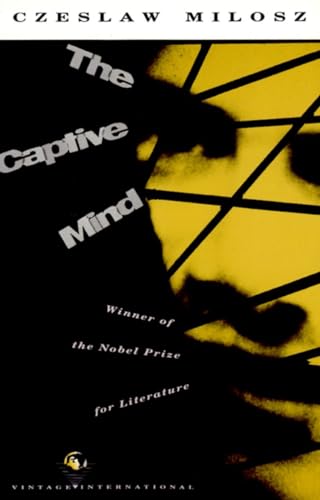
Miłosz provides a haunting, firsthand account of how intellectuals succumb to the allure of totalitarian ideologies, perfectly illustrating the psychological traps Popper describes. It is a poignant, analytical look at the corruption of the mind under authoritarian rule.
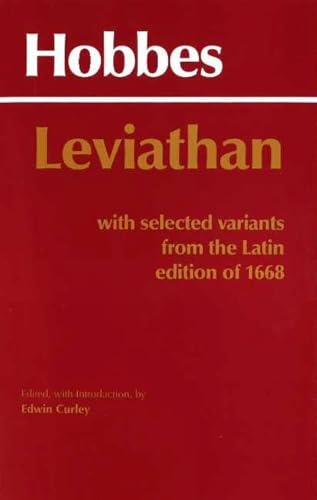
Hobbes presents the classic argument for a strong, centralized state to prevent the 'war of all against all,' representing the exact type of political philosophy that Popper challenges. Engaging with Hobbes is necessary to grasp the full scope of the debate on the nature of societal organization.
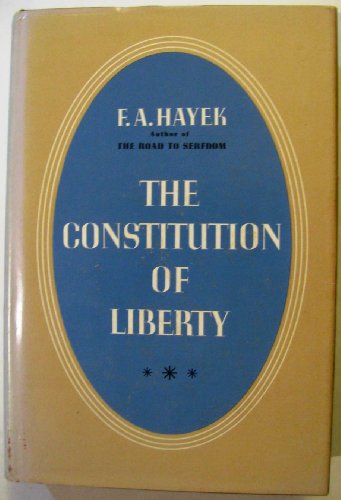
This book serves as a comprehensive restatement of the principles of a free society, much like Popper's work, but with a greater focus on the rule of law and the evolution of institutions. It is a dense, rewarding read for fans of political theory.

Love to read on the go?
Explore Kindle e-readers and take your books with you.
As an Amazon Associate, we earn from qualifying purchases.
As an Amazon Associate, we earn from qualifying purchases.