
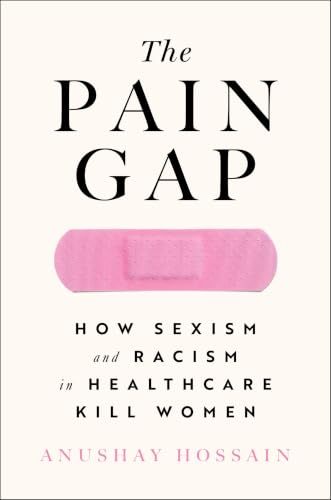
Based on your book
The Pain Gap
by Anushay Hossain
Anushay Hossain's The Pain Gap pulls back the curtain on a deeply troubling reality: how women's pain and symptoms are routinely dismissed, disbelieved, and undertreated by medical systems. This book isn't just a collection of anecdotes; it's a meticulously researched and often infuriating examination of the systemic biases, cultural norms, and power dynamics that create this gendered disparity in healthcare. Reading it feels like having a knowledgeable friend lay bare uncomfortable truths, offering a clear-eyed analysis of what's broken and why. You'll find yourself nodding along, then fuming, then feeling a quiet sense of empowerment as Hossain illuminates pathways to understanding and demanding better. This is for anyone ready to confront how our world is designed, and how it often fails women when it comes to their most basic right: to be heard and healed.
10 Books similar to 'The Pain Gap'
If The Pain Gap opened your eyes to the pervasive issue of systemic medical bias and the dismissal of women's health experiences, these books offer further exploration into those crucial themes. We've curated titles that either delve deeper into the historical and contemporary roots of medical misogyny, like Unwell Women and Doing Harm, or broaden the scope to show how these power dynamics manifest in data, society, and personal narratives. These recommendations will continue to provoke thought, fuel understanding, and perhaps even spark a little righteous anger as you uncover more about the world designed around us.
As an Amazon Associate, we earn from qualifying purchases.

This book is a direct companion to "The Pain Gap," meticulously detailing the systemic gender bias in healthcare that leads to women's pain and symptoms being dismissed. Dusenbery combines extensive research with compelling patient stories, offering a powerful and infuriating look at how medical systems fail women.
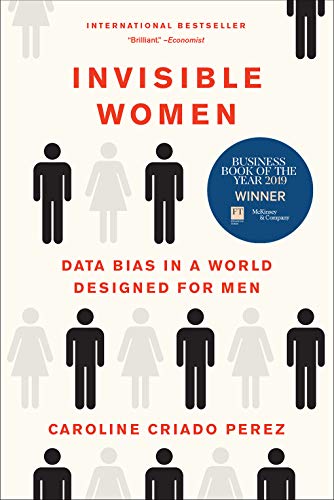
Criado Perez exposes the pervasive gender data gap across various fields, including medicine and public health, showing how a world designed for men systematically disadvantages women. Readers of "The Pain Gap" will find the rigorous data analysis and the focus on systemic bias incredibly resonant and eye-opening.

Cleghorn provides a comprehensive historical account of how medicine has misunderstood, dismissed, and pathologized women's bodies and health for centuries. This book offers crucial context for the contemporary issues raised in "The Pain Gap," revealing the deep roots of medical misogyny.

While focusing on race and medical ethics, Skloot's book powerfully illustrates systemic medical injustice, exploitation, and the profound impact on patients and their families. Fans of "The Pain Gap" will appreciate the investigative journalism and the deep dive into how power dynamics within the medical system can harm vulnerable populations.

Prefer to listen?
Try Audible and hear the story instead of reading it.
As an Amazon Associate, we earn from qualifying purchases.

Washington's groundbreaking work uncovers the horrifying history of medical exploitation and experimentation on Black Americans, revealing deep-seated racism within the medical establishment. This book broadens the scope of systemic medical injustice, resonating with "The Pain Gap"'s critique of biased healthcare systems.

by Sarah Ramey
This memoir offers a raw and often infuriating personal account of a woman's decades-long struggle with a mysterious chronic illness and the medical system's failure to diagnose or treat her. It powerfully echoes the individual experiences of dismissal and gaslighting discussed in "The Pain Gap."

Chemaly explores how women's anger is often dismissed or pathologized, a theme that parallels the dismissal of women's pain in healthcare. This book empowers readers to understand and harness their emotions for social change, offering a powerful complement to the advocacy implicit in "The Pain Gap."

Through a collection of personal essays, Ratajkowski explores themes of objectification, power dynamics, and the commodification of the female body in contemporary society. While more personal, it resonates with "The Pain Gap" by examining the systemic ways women's bodies are viewed, controlled, and devalued, impacting their autonomy and well-being.

Khakpour's memoir is a harrowing and candid account of her struggle with chronic illness, misdiagnosis, and the profound challenges of navigating a medical system that often fails to believe or adequately treat women. It provides an intimate, gut-wrenching perspective on the "pain gap" from a patient's viewpoint.

by Naomi Wolf
A seminal feminist text, "The Beauty Myth" dissects how societal pressures around beauty serve to control and disempower women, impacting their mental and physical health. Readers who appreciate "The Pain Gap"'s critique of systemic issues affecting women will find Wolf's analysis of societal control highly relevant and thought-provoking.

Love to read on the go?
Explore Kindle e-readers and take your books with you.
As an Amazon Associate, we earn from qualifying purchases.
As an Amazon Associate, we earn from qualifying purchases.