

Based on your book
The Palace of Illusions
by Divakaruni, Chitra Banerjee
The Mahabharata is one of historys grandest epics, but it has traditionally belonged to the men who fought its battles. Chitra Banerjee Divakaruni shifts the perspective entirely, anchoring this massive saga in the voice of Panchaali, the woman born of fire and destined for a life of complexity. You follow her from an isolated childhood into a marriage that binds her to five brothers and a war that threatens to consume her world. The prose is lush and deeply introspective, focusing less on the mechanics of combat and more on the internal cost of being a woman navigating a landscape of shifting political alliances and divine interference. This is for readers who appreciate retellings that prioritize emotional interiority over action, and who want to see how a single life can both shape and be crushed by the weight of destiny.
10 Books similar to 'The Palace of Illusions'
If the way Panchaali navigates her fate resonated with you, these titles were selected to help you further explore the intersection of myth, history, and the female experience. We looked for stories that similarly reclaim silenced voices from ancient texts or follow women struggling to define themselves within rigid, patriarchal family structures. Whether you are seeking the atmospheric, lyrical retellings found in Circe and Kaikeyi or the generational resilience seen in Pachinko, these books share that same grounded, human-centric approach to epic narratives, proving that the most powerful wars are often the ones fought within the heart.
As an Amazon Associate, we earn from qualifying purchases.

Like 'The Palace of Illusions', this novel masterfully reimagines a classic mythological figure, giving a voice to a woman often relegated to the sidelines of epic tales. It shares a lyrical, introspective prose style and explores the isolation of power and the struggle for agency in a world ruled by capricious gods.
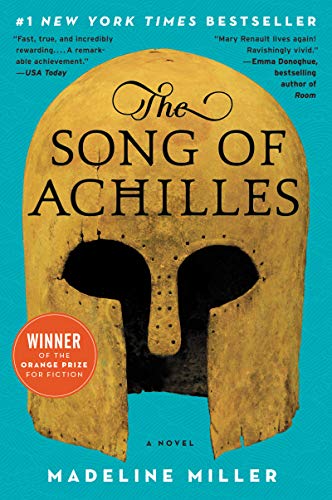
Fans of Divakaruni's mythological retellings will appreciate this deeply emotional exploration of the Trojan War, which centers on the human relationships behind the epic conflict. It captures the same sense of tragic destiny and the weight of history that defines the Mahabharata.

While set in a different time and place, this novel mirrors the intense focus on the female experience within rigid patriarchal structures found in Divakaruni’s work. It offers a similarly heartbreaking yet resilient look at women navigating war, loss, and the quest for identity.

Written by the same author, this is the perfect companion piece to 'The Palace of Illusions', focusing on the Ramayana through the eyes of Sita. It retains the signature evocative writing style and the feminist re-examination of ancient Indian epics.

Not sure what they've already read?
Let them pick their next favorite with an Amazon Gift Card.
As an Amazon Associate, we earn from qualifying purchases.

This novel provides a fresh, feminist perspective on a misunderstood villain from the Ramayana, much like Divakaruni did for Draupadi. It explores the complexities of power, duty, and motherhood in a mythological setting, making it a natural follow-up for fans of the genre.
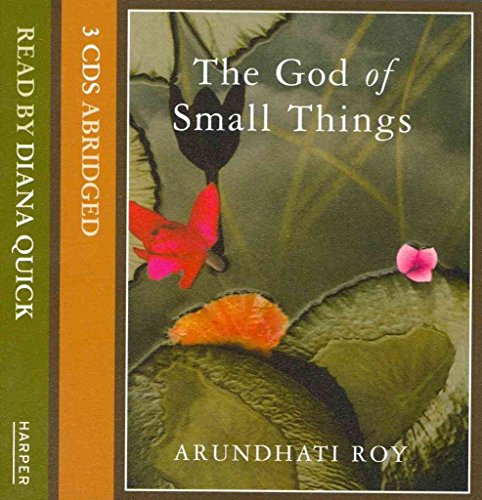
Readers who enjoyed the lush, sensory, and deeply rooted Indian cultural atmosphere of Divakaruni’s writing will appreciate Roy’s masterful prose. The book deals with the intersection of personal tragedy, family secrets, and the crushing weight of societal expectations.

This novel gives voice to Dinah, a minor character from the Bible, transforming her story into a rich, feminist narrative of womanhood and ancient life. It shares the same 'hidden history' appeal as 'The Palace of Illusions', focusing on the domestic and spiritual lives of women.

by Naomi Novik
This story weaves folklore and fairy tales into a grounded, character-driven narrative that feels both epic and intimate. Fans will recognize the theme of women navigating dangerous, magical worlds and the high cost of making bargains with powerful entities.

While the setting is 20th-century Barcelona, the gothic, atmospheric quality and the sense of being caught in a grand, inescapable destiny will appeal to fans of Divakaruni’s narrative voice. It is a story about the power of stories themselves and how they shape our lives.

by Min Jin Lee
This sweeping family saga explores the lives of four generations of a Korean family in Japan, dealing with themes of identity, displacement, and the struggle for survival. Like Divakaruni's work, it centers on the endurance of women and the relentless march of history.

Prefer to listen?
Try Audible and hear the story instead of reading it.
As an Amazon Associate, we earn from qualifying purchases.
As an Amazon Associate, we earn from qualifying purchases.