

Based on your book
The Passion According to G.H
by Clarice Lispector
The Passion According to G.H. isn't a story you read; it's an experience you inhabit. Clarice Lispector plunges you into the mind of G.H., a woman whose encounter with a cockroach in her maid's room spirals into a profound existential unraveling. This isn't a book with a strong external plot, but rather an intense, claustrophobic journey inward, a relentless dissection of self, identity, and the raw, uncomfortable nature of being. Lispector's prose is hypnotic and demanding, building a dark, reflective atmosphere that feels both deeply intimate and unsettlingly alien. It asks you to confront the very foundations of your own existence. If you're drawn to literature that challenges, provokes, and forces you to think deeply about what it means to be alive, and don't shy away from philosophical intensity, this book will stay with you long after the final page. It’s for readers who want to feel their consciousness expanding and contracting with every sentence.
10 Books similar to 'The Passion According to G.H'
If Clarice Lispector's The Passion According to G.H. resonated with your soul, you know the profound intensity of an existential journey into the self. We’ve gathered books that echo that same deep dive into identity crisis and the unsettling nature of existence. Whether it's the visceral confrontation with the 'thing-in-itself' like in Sartre's Nausea, the radical isolation found in The Wall, or the obsessive internal monologues of Thomas Bernhard, these titles explore what happens when the familiar world slips away. They share Lispector's fascination with the raw, unmediated experience of being and the struggle to articulate it, offering further paths to philosophical and psychological introspection.
As an Amazon Associate, we earn from qualifying purchases.

Fans of G.H.'s descent into the 'neutral' and her visceral reaction to existence will find a kindred spirit in Roquentin. Both novels explore the thin veil between human meaning and the raw, terrifying reality of physical objects.

Like Lispector, Woolf uses a highly lyrical, stream-of-consciousness style to explore the fluid nature of the self. It captures the same sense of internal rhythm and the difficulty of pinning down a stable identity through language.

by Franz Kafka
As the most direct parallel to the cockroach encounter, Kafka’s work shares themes of alienation and the grotesque. It mirrors G.H.’s experience of being stripped of her social status and forced into a primal, terrifying state of being.

by Han Kang
This novel shares the intense, disturbing focus on the body and the radical rejection of societal expectations. Like G.H., the protagonist undergoes a transformation that is both a psychological breakdown and a spiritual breakthrough.

Love to read on the go?
Explore Kindle e-readers and take your books with you.
As an Amazon Associate, we earn from qualifying purchases.
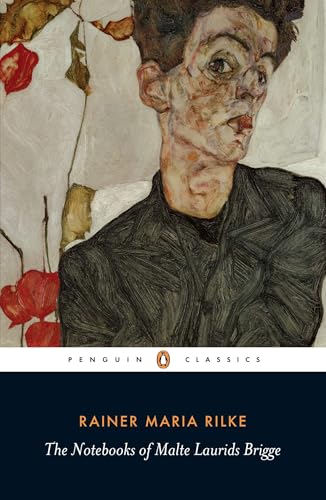
This book captures the same hypersensitive observation of the world and the resulting internal fragmentation. It resonates with Lispector’s focus on the 'thing-in-itself' and the struggle to find language for the sublime.

For readers who enjoyed the linguistic struggle and the dissolution of the 'I' in Lispector’s work, Beckett offers an even more radical exploration. It shares the same claustrophobic, intense focus on a single consciousness.

This novel provides a similar sense of radical isolation and the subsequent re-evaluation of what it means to be human. It echoes G.H.’s journey from a civilized woman to a creature existing in a raw, unmediated state.

This modern work mirrors the fragmented, haunting quality of Lispector’s prose and her preoccupation with identity. It explores how the self is haunted by other versions of itself and by the ghosts of literature.

The relentless, obsessive monologue and the intellectual intensity will appeal to those who liked the unyielding pace of G.H.’s thoughts. It shares a similar focus on the failure of art and the weight of existence.

As a companion to G.H., this book pushes the limits of language even further into a pure, ecstatic present. It is the ultimate recommendation for those who want more of Lispector’s unique brand of philosophical mysticism.

Not sure what they've already read?
Let them pick their next favorite with an Amazon Gift Card.
As an Amazon Associate, we earn from qualifying purchases.
As an Amazon Associate, we earn from qualifying purchases.