

Based on your book
The Philadelphia Chromosome
by Wapner, Jessica
The Philadelphia Chromosome tracks the precise moment cancer research shifted from broad, blunt-force treatments to the era of precision medicine. Jessica Wapner centers her narrative on the discovery of a specific genetic mutation that causes chronic myeloid leukemia, turning a lethal diagnosis into a manageable condition. The writing is surgical and precise, echoing the laboratory environment it describes while never losing sight of the patients waiting for a breakthrough. You will feel the claustrophobia of the lab, the frantic energy of the race to publish, and the immense weight of the bureaucratic hurdles involved. This is for readers who enjoy investigative journalism that balances high-level scientific mechanics with the personal, high-stakes drama of the individuals who actually changed the landscape of modern oncology.
10 Books similar to 'The Philadelphia Chromosome'
Since you appreciate the intersection of high-stakes science and human resilience found here, our list focuses on works that mirror this intensity. We selected these titles because they excel at the same investigative rigor, whether exploring the history of genetic discovery or the ethical minefields of clinical research. If you are drawn to the race against time and the behind-the-scenes politics of medical advancement, these books provide a similar intellectual challenge. Each selection highlights the relentless perseverance required to reshape our understanding of human health and the often difficult, complicated paths to scientific discovery.
As an Amazon Associate, we earn from qualifying purchases.
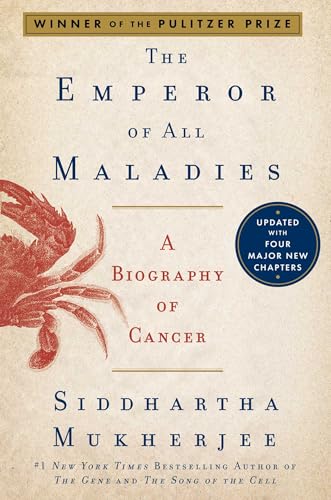
This Pulitzer Prize-winning 'biography' of cancer provides the definitive historical and scientific context that fans of Wapner's work will crave. It mirrors the narrative ambition of The Philadelphia Chromosome by humanizing complex medical breakthroughs while maintaining rigorous scientific accuracy.

Like Wapner's work, this book bridges the gap between scientific discovery and the human stories behind the research. It explores the ethical complexities and personal costs of medical advancements, making it a perfect companion for readers interested in the intersection of biology and society.

This book offers a sweeping, deeply researched look at the history of genetics, which serves as the foundational science for the discoveries discussed in The Philadelphia Chromosome. It shares Wapner's talent for making dense scientific concepts accessible and deeply compelling.

by Randy Shilts
This classic work of investigative journalism chronicles the early days of the AIDS epidemic with the same urgency and meticulous detail found in Wapner's writing. It captures the race against time and the bureaucratic hurdles that scientists face when tackling a new, deadly disease.

Prefer to listen?
Try Audible and hear the story instead of reading it.
As an Amazon Associate, we earn from qualifying purchases.

by Thomas Hager
This gripping narrative details the discovery of sulfa drugs and the birth of modern medicine, echoing the 'breakthrough' narrative arc of The Philadelphia Chromosome. Readers will appreciate the focus on the dedicated, often obsessive scientists who changed the course of human health.

While focused on a corporate scandal rather than a biological breakthrough, this book shares the high-stakes, investigative journalism style of Wapner's work. It explores the dangerous consequences when scientific ambition is divorced from ethical responsibility.

by Oliver Sacks
Sacks brings a deeply human and compassionate lens to neurological disorders, much like Wapner brings to the patients and researchers of CML. It is an essential read for anyone who enjoys medical writing that prioritizes the patient experience alongside the diagnosis.

This account of the race to eradicate polio mirrors the structure of The Philadelphia Chromosome by focusing on the intense competition, funding battles, and scientific perseverance required to solve a major medical crisis. It is a masterclass in medical history.

This book provides a critical, necessary look at the history of medical experimentation, offering a deeper context to the power dynamics involved in scientific research. It complements the themes of medical progress and societal impact found in Wapner's narrative.

A definitive account of the 1918 flu pandemic, this book excels at weaving together scientific history and the human response to disaster. Fans of the pacing and investigative depth in The Philadelphia Chromosome will find this equally engrossing and educational.

Love to read on the go?
Explore Kindle e-readers and take your books with you.
As an Amazon Associate, we earn from qualifying purchases.
As an Amazon Associate, we earn from qualifying purchases.