

Based on your book
The poisoner's handbook
by Deborah Blum
The Poisoner's Handbook drops you into the shadowy, often corrupt world of 1920s New York City, where poison was an alarmingly common and difficult-to-detect murder weapon. You'll witness the remarkable, often frustrating, journey of chief medical examiner Charles Norris and his brilliant toxicologist Alexander Gettler as they fight against a broken justice system to bring scientific rigor to crime investigation. This book isn't just history; it's a tense, true crime narrative that unravels like a detective story, showing you the meticulous, sometimes gruesome, work involved in pioneering forensic chemistry. It's a compelling read for anyone who enjoys watching scientific discovery emerge from adversity, true tales of justice, and a deep dive into a fascinating, forgotten era.
10 Books similar to 'The poisoner's handbook'
If you were engrossed by The Poisoner's Handbook, our recommendations will continue that journey. We've chosen books that share its compelling blend of historical deep dive and scientific investigation, often highlighting the societal impact of scientific breakthroughs. You'll find other true crime narratives, like "American Sherlock" and "Devil in the White City," that pair meticulous historical context with gripping mysteries. Many of these also feature underdog stories of pioneers who, much like Norris and Gettler, fought to bring scientific truth to light against seemingly insurmountable odds.
As an Amazon Associate, we earn from qualifying purchases.

by Kate Moore
This book, like "The Poisoner's Handbook," exposes a dark chapter in industrial history where scientific ignorance and corporate greed led to tragic consequences. It chronicles the brave fight for justice by women poisoned by radium, highlighting the societal impact of scientific discovery and the pursuit of truth.

Fans of Blum's detailed historical and scientific exploration will appreciate this immersive dive into the gruesome realities of 19th-century surgery and the revolutionary work of Joseph Lister. It meticulously details the scientific breakthroughs that transformed medicine, mirroring the development of forensic science in Blum's work.

by Erik Larson
Larson masterfully intertwines a meticulously researched historical narrative with a chilling true crime story, much like Blum blends scientific development with a gripping historical context. It captures the atmosphere of a specific era and the darker side of human nature, appealing to readers who enjoy historical non-fiction with a mysterious edge.

by Mary Roach
While less crime-focused, this book shares Deborah Blum's scientific curiosity, informative style, and willingness to delve into macabre subjects with an engaging narrative flair. Roach explores the fascinating and often surprising ways human cadavers have been used in science and history, offering a unique perspective on the body after death.

Not sure what they've already read?
Let them pick their next favorite with an Amazon Gift Card.
As an Amazon Associate, we earn from qualifying purchases.

This book offers a direct parallel to "The Poisoner's Handbook," focusing on another early pioneer of forensic science, Edward Oscar Heinrich, in California. It provides a similar blend of historical context, scientific detail, and true crime investigation, making it an ideal recommendation for those fascinated by the origins of criminalistics.

Skloot's powerful narrative non-fiction explores medical ethics, scientific discovery, and social justice through the story of Henrietta Lacks and her immortal cells. It shares Blum's ability to make complex scientific and ethical issues deeply personal and historically resonant, highlighting the human stories behind scientific advancement.
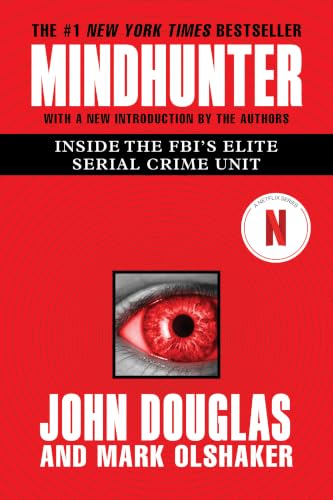
by John E. Douglas and Mark Olshaker
For readers who enjoy the investigative aspect and the systematic approach to understanding crime in "The Poisoner's Handbook," "Mindhunter" offers an insider's look into the development of criminal profiling. It delves into the psychological science behind solving heinous crimes, albeit in a more modern context.

This book offers a fresh, human-centered perspective on a notorious historical true crime, challenging prevailing narratives and giving voice to the victims. It's a historical deep dive with strong social commentary, similar to how Blum's work illuminates the lives affected by crime and the scientific efforts to protect society.

Like Blum's work, this book is a meticulously researched and disturbing account that exposes uncomfortable historical truths within the medical field. It delves into the profound societal impact of scientific practices and ethical violations, appealing to those interested in the darker side of medical history and its social implications.

by Erik Larson
Another excellent example of narrative non-fiction from Erik Larson, this book focuses on a historical disaster and the scientific attempts (and failures) to understand and predict it. It combines historical detail, human drama, and the unfolding of scientific knowledge in a compelling way, much like Blum's approach to the history of forensics.

Prefer to listen?
Try Audible and hear the story instead of reading it.
As an Amazon Associate, we earn from qualifying purchases.
As an Amazon Associate, we earn from qualifying purchases.