
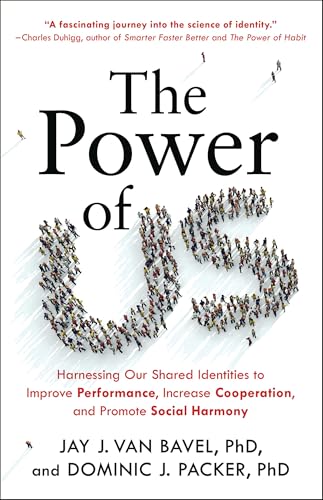
Based on your book
The Power of Us
by Van Bavel PhD, Jay J.
We are hardwired to belong, but our tribal instincts often pull us into destructive cycles of polarization. Jay Van Bavel examines how our identities are shaped by the groups we inhabit and, more importantly, how we can harness that same psychological machinery for cooperation rather than conflict. The book feels like a long, calm conversation with a researcher who is genuinely optimistic about human potential. It avoids the alarmist tone common in social commentary, choosing instead to present data-driven insights that feel both grounded and actionable. You will find yourself constantly pausing to reevaluate your own social circles and political leanings. This is for readers who are tired of the noise in modern discourse and want a clear-eyed, analytical framework to understand why we act the way we do and how we might build more inclusive communities.
10 Books similar to 'The Power of Us'
If the science of identity in The Power of Us resonated with you, these selections expand on the mechanics of human connection and the risks of group conformity. We chose these titles because they bridge the gap between individual psychology and large-scale sociological shifts. Whether you want to explore the evolutionary roots of our behavior with Sapolsky and Harari or examine the cognitive dissonance that keeps us divided with Tavris and Aronson, these books provide the necessary context to deepen your understanding of how we form, maintain, and sometimes break our social bonds.
As an Amazon Associate, we earn from qualifying purchases.
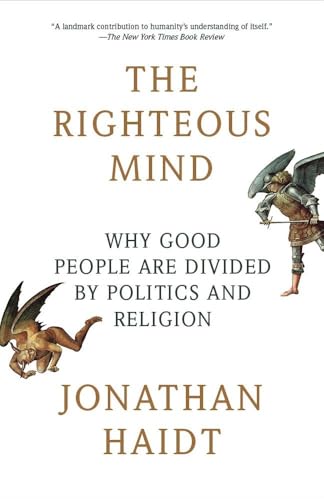
Like 'The Power of Us', this book explores the psychological underpinnings of why we form groups and how our moral intuitions shape our political and social divides. It provides a fascinating, science-backed look at human nature that will resonate with readers interested in social cohesion and identity.

Sapolsky offers a comprehensive examination of human behavior that complements the group-identity focus of Van Bavel's work. It is an essential read for anyone wanting to understand the biological and evolutionary roots of how we treat 'us' versus 'them'.
This book dives into the dangers of conformity and the loss of individual critical thinking within group settings. It serves as a cautionary counterpart to the positive potential of shared identity discussed in 'The Power of Us'.

Harari's exploration of how shared myths and collective beliefs allowed humans to cooperate on a massive scale aligns perfectly with the central thesis of 'The Power of Us'. It provides the historical and evolutionary context for the group dynamics Van Bavel analyzes.

Prefer to listen?
Try Audible and hear the story instead of reading it.
As an Amazon Associate, we earn from qualifying purchases.

Gladwell examines the failures in our communication and assumptions when interacting with those outside our immediate circle. Readers who enjoyed the social psychology aspects of Van Bavel's work will appreciate this deep dive into the misunderstandings that plague human interaction.
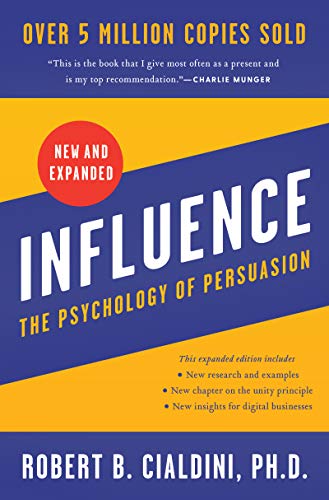
A foundational text in social psychology, this book explains the mechanisms of compliance and how group pressures affect individual decision-making. It is a perfect companion for understanding the 'how' behind the group identity phenomena discussed in Van Bavel's research.

by David Brooks
Brooks uses a fictional narrative to illustrate the latest research in sociology and psychology, much like Van Bavel uses case studies to explain group identity. It is a deeply humanistic look at the invisible forces that shape our lives and relationships.

by Susan Cain
Cain challenges the cultural bias toward extroversion, highlighting how group dynamics often undervalue individual contributions. It offers a fresh perspective on identity and social belonging that challenges the status quo, much like the arguments in 'The Power of Us'.

by Carol Tavris and Elliot Aronson
This book brilliantly explains cognitive dissonance and self-justification, which are critical concepts for understanding why groups struggle to admit fault or change their minds. It provides the psychological mechanism behind the rigid group identities Van Bavel seeks to overcome.

Putnam's classic study on the decline of social capital is essential reading for understanding the structural aspects of group belonging. It provides the sociological framework for the importance of the 'shared identity' that Van Bavel advocates for in modern society.

Love to read on the go?
Explore Kindle e-readers and take your books with you.
As an Amazon Associate, we earn from qualifying purchases.
As an Amazon Associate, we earn from qualifying purchases.