

Based on your book
The Pragmatic Programmer
by Thomas, David
The Pragmatic Programmer is less of a technical manual and more of a philosophy for your career. Instead of focusing on a specific language, it treats software development as a craft, emphasizing the importance of adaptability, skepticism, and personal responsibility. You will find yourself constantly re-evaluating your own habits, from how you manage your time to how you handle errors in your logic. The writing is clear, direct, and occasionally dry, but it carries the weight of decades of field experience. It feels like having a veteran mentor sitting beside you, offering advice that is as relevant today as it was when the book was first published. This is an essential read for any developer who has moved past the basics of syntax and is now ready to think deeply about how they build, maintain, and evolve their work over time.
10 Books similar to 'The Pragmatic Programmer'
The books curated here extend the pragmatic mindset into specialized territories. If the technical discipline of the original resonated with you, these selections offer a logical next step. We have prioritized titles that bridge the gap between abstract computer science and the messy, human reality of daily development. Whether you are looking to master the social dynamics of a team, the architectural patterns of complex systems, or the tactical precision of refactoring, these texts provide the intellectual framework to transform your approach to problem-solving and professional craftsmanship.
As an Amazon Associate, we earn from qualifying purchases.

Much like The Pragmatic Programmer, this book serves as a foundational guide for developers aiming to elevate their craft through disciplined coding practices. It shares the same pragmatic, no-nonsense approach to writing maintainable, efficient, and professional software.
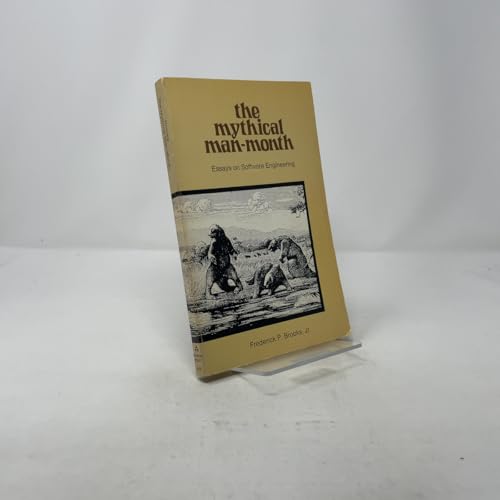
This classic text offers timeless wisdom on software project management, echoing the pragmatic philosophy that building software is as much about people and process as it is about code. Readers will appreciate the deep, observational insights into why large-scale engineering projects often struggle.

This book acts as a practical companion to the mindset established in The Pragmatic Programmer, focusing on the tactical side of software evolution. It provides concrete techniques for improving code quality, appealing to those who value the 'craftsman' approach to development.

Often considered the definitive guide to software construction, this book mirrors the comprehensive and practical nature of The Pragmatic Programmer. It is an essential resource for any developer looking to master the technical details that separate amateurs from professionals.

Prefer to listen?
Try Audible and hear the story instead of reading it.
As an Amazon Associate, we earn from qualifying purchases.

This book addresses the harsh reality of maintaining existing systems, a key theme for any pragmatic developer. It provides actionable strategies that align perfectly with the problem-solving mindset encouraged by Hunt and Thomas.

While The Pragmatic Programmer focuses on technical habits, this book focuses on the professional attitude required to succeed in the industry. It complements the original by defining the ethical and behavioral standards of a true software craftsman.

by Erich Gamma, Richard Helm, Ralph Johnson, and John Vlissides
This seminal work provides the vocabulary and structural frameworks that pragmatic programmers use to solve recurring design problems. It is an intellectual cornerstone that every serious developer should study to understand the 'why' behind elegant architecture.

by Tom DeMarco and Timothy Lister
This book shifts the focus from the machine to the human, exploring the social dynamics that make or break software projects. It aligns with the 'pragmatic' view that software development is a human-centric activity requiring empathy and clear communication.

by Harold Abelson and Gerald Jay Sussman
For readers who enjoyed the deep, foundational intellectual challenges presented in The Pragmatic Programmer, this book offers a profound exploration of computational thinking. It is a challenging, rewarding read that fundamentally changes how one approaches problem-solving.

by Eric Evans
This book provides a strategic framework for managing complexity, which is a central concern for the pragmatic developer. It bridges the gap between technical implementation and business requirements, offering a sophisticated approach to software architecture.

Love to read on the go?
Explore Kindle e-readers and take your books with you.
As an Amazon Associate, we earn from qualifying purchases.
As an Amazon Associate, we earn from qualifying purchases.