

Based on your book
The Prince
by Niccolo Machiavelli
The Prince isn't a story; it's a stark, unvarnished manual on how to seize and hold political power. Machiavelli, writing from a place of deep observation and personal experience, lays out a set of principles for rulers that are often unsettlingly pragmatic and morally ambiguous. He strips away idealism, presenting a chillingly clear-eyed view of human nature and the necessities of governance in a volatile world. Reading it feels like a direct conversation with a Renaissance strategist, sharp and unsentimental, forcing you to reconsider conventional notions of virtue and leadership. This is for anyone who wants to understand the brutal mechanics of power, appreciate historical political thought, or simply ponder the uncomfortable truths about leadership that still echo today. It’s a foundational text for a reason.
10 Books similar to 'The Prince'
If Machiavelli's unflinching look at power resonated with you, you're likely drawn to narratives and analyses that delve into the stark realities of leadership. Our curated list extends that exploration, focusing on works that dissect pragmatic power dynamics and political realism without rose-tinted glasses. Whether you're interested in strategic thought, the intricate dance of political maneuvering, or the raw, often morally ambiguous choices leaders face, these books offer similarly potent insights. They challenge you to consider what it truly takes to govern, to influence, and to survive in high-stakes environments, much like The Prince itself.
As an Amazon Associate, we earn from qualifying purchases.

by Sun Tzu
Much like Machiavelli's work, this is a foundational treatise on strategy and the pragmatic application of power. It shares a clinical, analytical approach to leadership and the necessity of calculated decision-making in high-stakes environments.

While more stoic and less cynical than Machiavelli, this work offers a similarly introspective look at the burdens of leadership. It provides a philosophical counterpart to the exercise of power, focusing on internal discipline rather than external manipulation.

This modern classic is a direct spiritual successor to Machiavelli, distilling historical lessons into a guide for gaining and maintaining influence. It mirrors the amoral, pragmatic, and often ruthless tone that makes The Prince so enduring.

Hobbes explores the necessity of a strong, central sovereign to maintain social order, echoing Machiavelli's views on the nature of man and the state. It provides a rigorous intellectual framework for the political realism presented in The Prince.

Love to read on the go?
Explore Kindle e-readers and take your books with you.
As an Amazon Associate, we earn from qualifying purchases.

Written during the same era as The Prince, this book serves as a guide to the social and political navigation of the Renaissance court. It offers a more refined but equally strategic look at how to maintain status and influence within a power structure.

Often considered Machiavelli's more profound work, this book explores republicanism and the longevity of states. It provides a necessary balance to The Prince, showing the author's broader thoughts on political stability and civic virtue.

by Plato
This foundational text of political philosophy asks what constitutes a just state and a just leader. Readers of Machiavelli will appreciate the contrast between Plato's idealism and Machiavelli's realism regarding the nature of governance.

This historical novel brings the ruthless power dynamics of the Roman Empire to life through a narrative voice that feels as calculated as Machiavelli’s. It illustrates the practical application of 'Machiavellian' tactics in a high-stakes political drama.
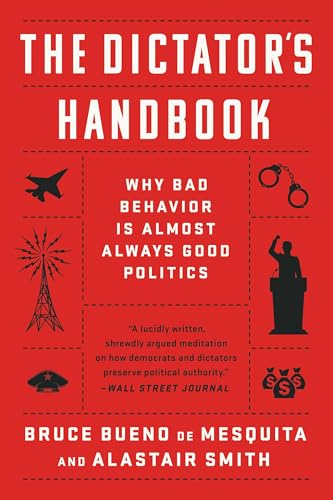
by Bruce Bueno de Mesquita and Alastair Smith
This modern political science book uses game theory to explain why leaders behave the way they do, regardless of their regime type. It serves as a data-driven, contemporary validation of many of Machiavelli's core observations about power.
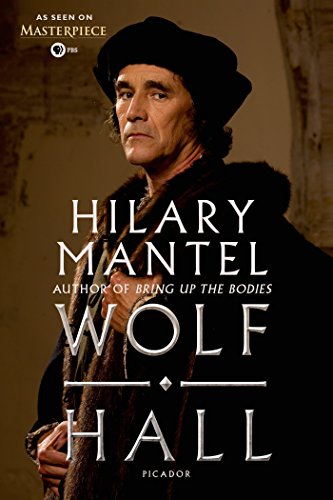
Focusing on the rise of Thomas Cromwell in the court of Henry VIII, this novel is a masterclass in political maneuvering and pragmatism. It captures the 'vibe' of The Prince perfectly through its depiction of a man navigating a world where survival depends on being both loved and feared.

Not sure what they've already read?
Let them pick their next favorite with an Amazon Gift Card.
As an Amazon Associate, we earn from qualifying purchases.
As an Amazon Associate, we earn from qualifying purchases.