

Based on your book
The Psychology of Attention
by Ribot, Theodule Armand
Ribot’s work is a foundational piece of late 19th-century psychology that dissects the mechanism of attention with clinical precision. Rather than offering modern self-help platitudes, he treats attention as a biological phenomenon, oscillating between spontaneous, involuntary reflexes and the grueling, fragile nature of voluntary focus. The prose is analytical and demanding, reflecting the intellectual rigor of a scientist mapping the uncharted territory of the human mind. You will find yourself navigating his observations on how identity shifts when our focus fragments or fails. This is not a casual read; it is for the reader who enjoys tracing the historical lineage of cognitive science and wants to understand the raw, physiological roots of their own mental output. If you appreciate dense, historical texts that challenge your understanding of consciousness, this book will feel like a rigorous, rewarding exercise.
10 Books similar to 'The Psychology of Attention'
The books selected here trace a clear evolution from Ribot’s early clinical observations to our modern struggle with cognitive bandwidth. Whether you are curious about the neurological pathology of the brain as explored by Sacks and Ramachandran, or interested in the practical application of focus in a digital age as argued by Newport and Levitin, these titles expand on Ribot’s core inquiry. We have curated this list to bridge the gap between abstract psychological theory and the lived experience of maintaining identity and productivity in a world engineered to fragment our attention.
As an Amazon Associate, we earn from qualifying purchases.
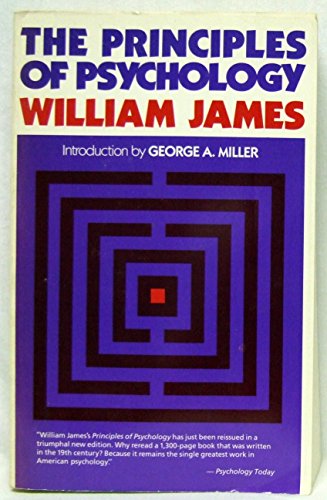
As a contemporary of Ribot, James offers a similarly foundational exploration of the human mind, covering attention, consciousness, and habit with a blend of scientific rigor and philosophical depth. This work is essential for anyone interested in the historical roots of cognitive science and the mechanics of focus.

This modern classic bridges the gap between early psychological theories of attention and contemporary behavioral economics. It provides a comprehensive framework for understanding the two systems that drive our thought processes, echoing Ribot's interest in the underlying mechanisms of mental effort.

by Oliver Sacks
Sacks explores the pathology of the mind through fascinating case studies, much like Ribot’s clinical approach to the 'pathology of attention.' It provides a deeply humanizing look at how neurological conditions alter perception and the ability to focus on the world.
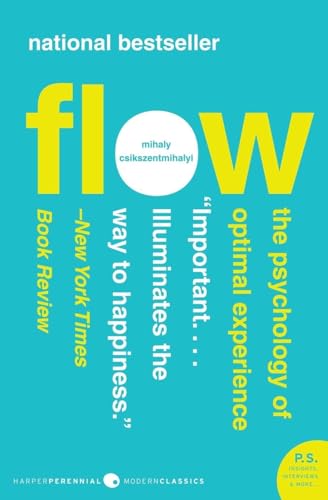
Csikszentmihalyi builds upon the study of attention by examining what happens when our focus becomes completely absorbed in an activity. It is a natural progression for readers interested in the volitional aspects of attention that Ribot initially categorized.

Prefer to listen?
Try Audible and hear the story instead of reading it.
As an Amazon Associate, we earn from qualifying purchases.

Levitin applies the principles of cognitive psychology to the modern struggle of managing attention in a world of constant distraction. It serves as a practical, modern application of the foundational theories Ribot established regarding the limits and nature of attention.
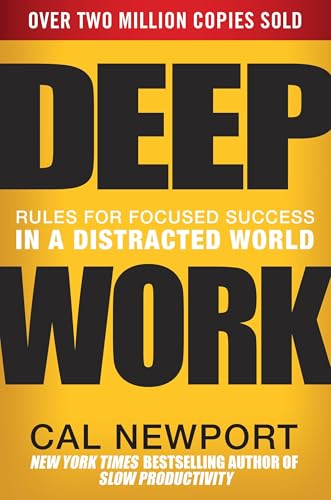
by Cal Newport
Newport focuses on the cultivation of intense attention as a professional and personal skill, directly addressing the 'voluntary attention' Ribot described. It is a compelling read for those who want to understand how to harness mental focus in a chaotic environment.

Ramachandran investigates the brain's architecture and the mysteries of perception, offering a modern perspective on the neurological underpinnings of attention and consciousness. Readers of Ribot will appreciate the blend of clinical observation and scientific inquiry.

Gladwell explores the 'thin-slicing' of information—how our brains make split-second decisions without conscious, sustained attention. It complements Ribot’s work by examining the involuntary, rapid-fire processing that occurs beneath the surface of our awareness.

by Tim Wu
This book provides a historical and sociological look at how attention has been commodified, expanding on the psychological theories of attention by placing them in a political and economic context. It is a fascinating look at the 'capture' of the human mind.

Walker examines the biological necessity of sleep and its profound impact on cognitive function, including attention and memory. It offers a scientific deep dive that aligns with the physiological approach to psychology that Ribot championed.

Love to read on the go?
Explore Kindle e-readers and take your books with you.
As an Amazon Associate, we earn from qualifying purchases.
As an Amazon Associate, we earn from qualifying purchases.