
Based on your book
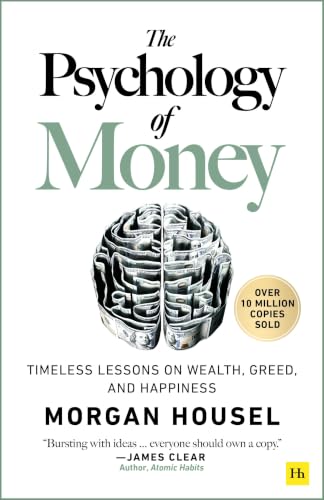
The Psychology of Money
by Housel, Morgan
Morgan Housel argues that financial success has less to do with intelligence or mathematical prowess and everything to do with how you behave. Instead of focusing on spreadsheets or market timing, he explores the messy, emotional, and irrational ways humans interact with their bank accounts. The reading experience is calm and meditative, consisting of nineteen short chapters that feel more like essays on human nature than a traditional finance guide. Housel writes with a refreshing humility, acknowledging that luck and risk play outsized roles in our lives. This book is for the reader who is tired of get-rich-quick schemes and wants to understand the foundational mindset required to build a stable, meaningful life. If you are looking for a gentle, perspective-shifting read that prioritizes long-term peace of mind over short-term gains, this is your next book.
10 Books similar to 'The Psychology of Money'
Since you found value in Housel's behavioral approach, these ten titles were selected to deepen your understanding of why we make the choices we do. We focused on works that treat personal growth as an analytical project, moving away from technical jargon toward the psychology of decision-making. Whether it is the cognitive research of Daniel Kahneman or the minimalist philosophy of Greg McKeown, each book here reinforces the idea that true success is built on habits, intentionality, and a realistic grasp of how luck and bias shape our unique financial journeys.
As an Amazon Associate, we earn from qualifying purchases.

by James Clear
Much like Housel's work, this book breaks down complex behavioral patterns into actionable, bite-sized insights. It shares the same philosophy that small, consistent changes in mindset are more impactful than grand, singular gestures.
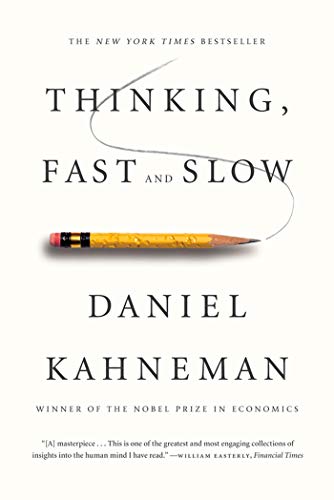
This is the intellectual bedrock upon which much of Housel's work is built, exploring the cognitive biases that influence our decision-making. Readers who enjoyed the psychological depth of Housel's analysis will appreciate this deep dive into the human mind.

This book mirrors Housel's concise, wisdom-packed style, offering timeless principles on wealth and happiness. It captures the same 'vibe' of distilling complex life strategies into easily digestible, profound aphorisms.

Taleb's exploration of luck, probability, and the hidden role of chance in our lives directly complements Housel's arguments about the unpredictability of financial markets. It provides a more rigorous, albeit similarly cynical, perspective on success.

Love to read on the go?
Explore Kindle e-readers and take your books with you.
As an Amazon Associate, we earn from qualifying purchases.

by Bill Perkins
Perkins challenges conventional financial wisdom, much like Housel, by arguing that money is a tool for experiences rather than just a hoard for the future. It forces readers to rethink their relationship with time and capital.

Dweck's exploration of fixed versus growth mindsets offers a psychological framework that explains why some people succeed financially and others do not. It aligns perfectly with Housel's focus on behavior over technical skill.

This classic study on the habits of the truly wealthy debunks myths about status and spending, echoing Housel's core message that true wealth is often invisible. It is a foundational text for anyone interested in the psychology of personal finance.

Epstein argues against the narrow specialization often preached in modern finance, providing a broader, more nuanced view of success that resonates with Housel's holistic approach to life and money.

by Greg McKeown
This book applies a minimalist philosophy to life choices, mirroring Housel's advice on prioritizing what truly matters over societal pressure. It shares the same calm, reflective tone and focus on intentional living.
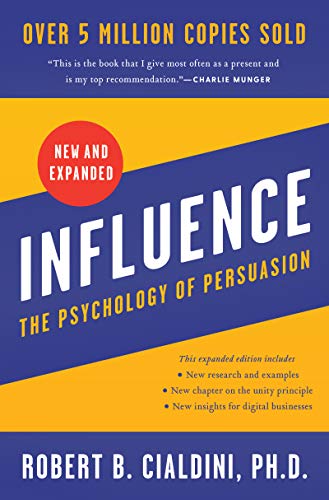
To understand the psychology of money, one must understand the psychology of human influence; Cialdini's work is the definitive guide to why we say 'yes' and make certain decisions. It is essential reading for those who enjoyed Housel's behavioral insights.

Not sure what they've already read?
Let them pick their next favorite with an Amazon Gift Card.
As an Amazon Associate, we earn from qualifying purchases.
As an Amazon Associate, we earn from qualifying purchases.