

Based on your book
The Reagan Era
by Rossinow, Doug
Rossinow offers a rigorous, no-nonsense look at how the 1980s fundamentally reshaped the American landscape. Rather than focusing solely on the personality of the president, this book maps the structural shifts in political ideology, economic policy, and social norms that defined the decade. The pacing is deliberate and scholarly, favoring clear-eyed analysis over dramatic flair. It feels like attending a high-level seminar where the goal is to dismantle the mythology surrounding a pivotal period in history. You will find yourself constantly re-evaluating what you thought you knew about the conservative movement and the decline of the liberal consensus. This is an ideal pick for history buffs and political junkies who prefer intellectual substance over narrative fluff and want to understand the mechanics of how the modern American political identity was constructed.
10 Books similar to 'The Reagan Era'
If you walked away from The Reagan Era feeling like you finally see the scaffolding of modern American politics, these selections are the next natural steps. We have curated a list that bridges the gap between grassroots cultural shifts and high-level policy failures. Whether you are looking for the economic gut-check found in Stockman or the deep-dive political archeology of Perlstein, these books share an uncompromising commitment to structural analysis. They collectively trace the rise and fall of political movements, helping you map the transition from the turmoil of the seventies to our current polarized reality.
As an Amazon Associate, we earn from qualifying purchases.

by Sean Wilentz
Like Rossinow, Wilentz provides a comprehensive and deeply analytical look at the political shifts of the late 20th century. This book is essential for those seeking to understand the structural changes in American governance and ideology during the Reagan years and beyond.

Perlstein captures the cultural and political atmosphere that paved the way for Reagan's presidency with a narrative style that is both gripping and meticulously researched. Readers who enjoyed Rossinow's contextualization of the era will appreciate this deep dive into the grassroots movements that fueled the conservative revolution.

Written by Reagan's own budget director, this book offers a fascinating, behind-the-scenes look at the economic policies of the 1980s. It provides the kind of critical, insider perspective that complements Rossinow's broader academic overview.

For readers interested in the long-term consequences of American political power and foreign policy, Hersh's investigative work provides a necessary, gritty look at the machinery of government. It shares the same commitment to uncovering the structural realities behind political rhetoric found in Rossinow's analysis.

Prefer to listen?
Try Audible and hear the story instead of reading it.
As an Amazon Associate, we earn from qualifying purchases.

This book serves as a perfect prequel to the themes explored in The Reagan Era, detailing the turbulent transition of American identity in the mid-1970s. It mirrors Rossinow's ability to weave together cultural trends and political outcomes into a cohesive narrative.
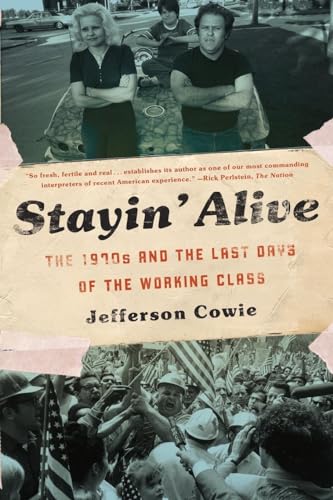
Cowie offers a brilliant socio-economic history that explains the decline of the American labor movement, a crucial backdrop to the Reagan era. It provides the economic and class-based context that readers of Rossinow will find intellectually satisfying.

Perlstein's examination of the Nixon years is essential for understanding the polarization that defined the subsequent Reagan era. Fans of Rossinow's structural analysis will appreciate how this book connects the dots between social division and political success.
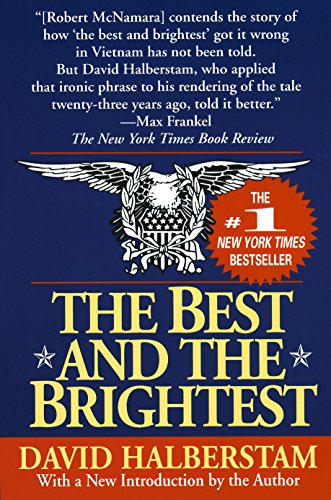
While it focuses on the Vietnam era, Halberstam's masterpiece is a foundational text for anyone interested in the intersection of policy, power, and political hubris. It shares the same rigorous, analytical approach to historical critique found in Rossinow's work.

by Naomi Klein
Klein offers a provocative and highly analytical critique of the economic policies that gained traction during the Reagan era. Readers who enjoyed Rossinow's examination of the ideological shifts in the 1980s will find this a compelling, if more radical, extension of those arguments.

by Lou Cannon
Widely considered the definitive biography of Reagan, Cannon's work provides a balanced and detailed look at the man behind the myth. It matches Rossinow's scholarly tone while offering a more character-focused perspective on the era's central figure.

Love to read on the go?
Explore Kindle e-readers and take your books with you.
As an Amazon Associate, we earn from qualifying purchases.
As an Amazon Associate, we earn from qualifying purchases.