

Based on your book
The Recognitions
by William Gaddis
Wyatt Gwyon is a failed painter who turns to forging Old Masters, a decision that spirals into a massive, multi-continental examination of what it actually means to be original in a world obsessed with copies. This is not a book you read for plot; it is an endurance test for your intellect and a sharp, cynical mirror held up to the mid-century art world. Gaddis writes with a relentless, encyclopedic intensity that feels like a conversation you are struggling to keep up with in a room full of geniuses. It is claustrophobic, hilariously caustic, and profoundly lonely. You should pick this up only if you enjoy feeling slightly out of your depth and want a novel that demands you bring your own philosophical baggage to the table.
10 Books similar to 'The Recognitions'
If you finished this sprawling monster and found yourself craving more of that specific, high-wire intellectual tension, these selections are for you. I chose these books because they share that same restless hunger to map out the systems of meaning that govern our lives, whether through the lens of corporate rot, historical conspiracy, or the sheer weight of modern paranoia. They are all demanding, deeply skeptical works that prioritize structural ambition and linguistic precision, perfectly capturing the same sense of existential vertigo that defines Gaddis at his most brilliant.
As an Amazon Associate, we earn from qualifying purchases.

Like Gaddis, Wallace constructs a massive, encyclopedic narrative that demands intense reader engagement and rewards it with profound insights. Both novels are deeply concerned with the nature of authenticity, addiction, and the overwhelming noise of modern culture.

by James Joyce
Gaddis was heavily influenced by Joyce's stream-of-consciousness technique and his ability to weave high-culture references with the mundane. Readers who appreciate the linguistic density and structural ambition of The Recognitions will find a kindred spirit in this modernist masterpiece.

If you enjoyed the unique, dialogue-heavy style of The Recognitions, Gaddis's follow-up is an essential read. It applies his sharp, satirical eye to the American corporate machine, creating a chaotic and brilliant symphony of voices.

Pynchon shares Gaddis's obsession with paranoia, systems of meaning, and the search for truth in a world of artifice. This shorter, tighter novel offers a similar intellectual puzzle regarding hidden societies and the nature of reality.

Prefer to listen?
Try Audible and hear the story instead of reading it.
As an Amazon Associate, we earn from qualifying purchases.

by Don DeLillo
DeLillo captures the same sense of sprawling, historical weight and cultural critique found in Gaddis's work. It is a masterful exploration of how art, waste, and history intersect in the American consciousness.

This late-career novel continues Gaddis's interrogation of the law, art, and intellectual property. It features the same biting wit and dense, philosophical dialogue that fans of The Recognitions have come to expect.

by Robert Musil
This monumental work of early 20th-century literature mirrors Gaddis's ambition to capture the totality of a society in transition. Its philosophical depth and focus on the 'possibility' of life make it a perfect companion for Gaddis readers.

Pynchon's debut novel is a chaotic, erudite, and wildly inventive exploration of history and identity that rivals The Recognitions in sheer scope. It is an essential text for those who enjoy literature that challenges the boundaries of narrative form.

Gass is a prose stylist of the highest order, much like Gaddis, and this novel is a staggering, dark, and deeply introspective look at the human psyche. It shares the same commitment to linguistic precision and demanding structural complexity.
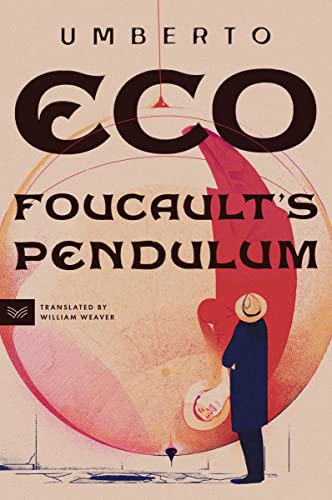
by Umberto Eco
Fans of The Recognitions will appreciate Eco's deep dive into forgery, occult history, and the human desire to impose meaning on chaos. It is a brilliant, intellectual thriller that explores the dangers of taking conspiracies too seriously.

Love to read on the go?
Explore Kindle e-readers and take your books with you.
As an Amazon Associate, we earn from qualifying purchases.
As an Amazon Associate, we earn from qualifying purchases.