

Based on your book
The Richest Man in Babylon - The Original 1926 Classic
by Clason, George S.
George S. Clason does not lecture you with dense spreadsheets or modern jargon. Instead, he transports you to ancient Babylon, using simple parables to explain the foundational laws of money. The book feels like a conversation with an older, wiser mentor who has seen cycles of boom and bust and understands that wealth is less about luck and more about consistent, disciplined behavior. The pacing is deliberate and rhythmic, mirroring the timelessness of the advice offered. You will encounter characters navigating debt, savings, and investment through stories that are surprisingly relatable despite their age. This is perfect for the reader who finds modern finance books too clinical or complicated. If you prefer your self-improvement lessons wrapped in storytelling rather than technical manuals, this book provides a clean, empowering roadmap to financial health that has remained relevant for nearly a century.
10 Books similar to 'The Richest Man in Babylon - The Original 1926 Classic'
Since you enjoyed the parabolic wisdom and focus on financial character found in Babylon, I have curated a list of titles that expand on these principles. Whether you are looking for the data-driven reality of The Millionaire Next Door, the psychological shifts suggested by As a Man Thinketh, or the modern systems found in The Automatic Millionaire, these books share the same DNA. Each selection prioritizes the mindset and discipline necessary to build a lasting legacy, helping you translate those ancient lessons into the practical, actionable habits required for success in your own life.
As an Amazon Associate, we earn from qualifying purchases.

Like Clason's work, this is a foundational pillar of personal finance literature that uses timeless principles to explain the psychology of success. It shares the same focus on mindset, discipline, and the actionable steps required to achieve financial independence.
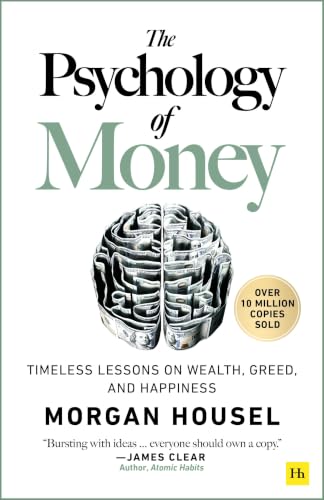
This modern classic mirrors the simple, parable-like wisdom of Babylon but applies it to contemporary financial behaviors and cognitive biases. Readers who appreciated the foundational lessons in Clason's book will find these short, insightful essays equally transformative for their financial habits.

This book provides the data-driven reality check to the principles outlined in Babylon, showing that true wealth is often built through frugality and discipline rather than high income. It reinforces the core lesson that living below one's means is the most reliable path to prosperity.

by Paulo Coelho
While fictional, this story uses the same allegorical, fable-like structure found in The Richest Man in Babylon to teach profound life lessons. It captures the spirit of the 'hero's journey' toward self-actualization and the importance of pursuing one's personal legend.

Not sure what they've already read?
Let them pick their next favorite with an Amazon Gift Card.
As an Amazon Associate, we earn from qualifying purchases.

Kiyosaki utilizes contrasting stories and simple narratives to teach complex financial concepts, much like the parables in Clason's classic. It is essential reading for anyone who enjoyed learning about the difference between assets and liabilities through accessible, storytelling-based advice.

by David Bach
This book takes the 'pay yourself first' mantra from Babylon and creates a concrete, automated system for the modern age. It shares the same accessible, encouraging tone that makes complex financial concepts feel achievable for the average person.

Published in 1910, this work shares the same vintage, classic tone and focus on the mindset required to build wealth as Clason's 1926 masterpiece. It treats wealth creation as a logical, almost scientific process that anyone can master with the right perspective.

by V.J. Smith
Written as a narrative about a man who finds wealth in unlikely places, this book echoes the parable style of Clason's work. It focuses on the character traits and habits that lead to a rich life, both financially and personally, making it a spiritual successor to the Babylon parables.
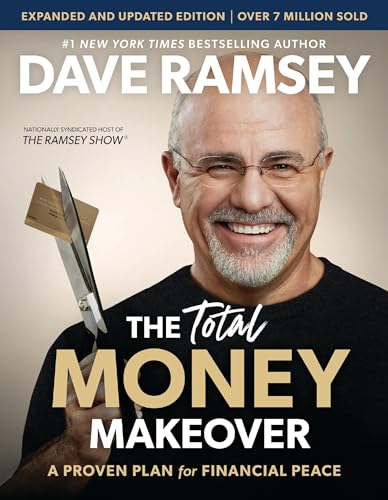
by Dave Ramsey
While more modern and intense, this book shares the same firm, disciplined approach to debt and wealth accumulation found in The Richest Man in Babylon. Fans of Clason's 'seven cures for a lean purse' will appreciate the straightforward, rule-based methodology presented here.

by James Allen
This short, timeless essay serves as the philosophical foundation for much of the self-help genre, including the mindset required to follow the advice in Babylon. It emphasizes that financial success is ultimately a byproduct of one's internal character and focused thought.

Prefer to listen?
Try Audible and hear the story instead of reading it.
As an Amazon Associate, we earn from qualifying purchases.
As an Amazon Associate, we earn from qualifying purchases.