

Based on your book
The Riddle of the Sands
by Erskine Childers
Two men on a small yacht charting the treacherous, shifting sands of the Frisian Islands stumble upon something far more dangerous than navigational hazards. What begins as a quiet sailing holiday gradually sharpens into a tense, high-stakes investigation of German naval movements. This is a masterclass in slow-burn suspense where the environment itself feels like an antagonist. You will spend as much time obsessing over wind speed, depth charts, and the claustrophobia of a cramped cabin as you do tracking the unfolding conspiracy. It is not a book for those who want instant gratification; it is for the patient reader who enjoys technical precision, the solitude of the sea, and the creeping realization that a personal adventure has become a matter of national security. If you appreciate historical grit and the intellectual puzzle of early espionage, this will hook you.
10 Books similar to 'The Riddle of the Sands'
Since you enjoyed the specific blend of technical maritime detail and amateur intelligence work in The Riddle of the Sands, this list focuses on books that balance procedural realism with high-stakes political tension. We have selected these titles because they share that distinct Edwardian-era paranoia or the obsession with the mechanics of a craft. Whether you are looking for more immersive sailing narratives, the roots of the modern geopolitical thriller, or the philosophical weight of the Great Game, these stories capture that same feeling of being an outsider peering into a hidden, dangerous world.
As an Amazon Associate, we earn from qualifying purchases.

by John Buchan
Like Childers' work, this is a foundational text of the spy thriller genre that captures the pre-WWI anxiety of an encroaching conflict. It features an ordinary man thrust into a dangerous web of international conspiracy, mirroring the amateur sleuth dynamic found in The Riddle of the Sands.

Maugham's collection of stories offers a more realistic, cynical, and grounded look at espionage during the same era as Childers' novel. Fans of the procedural and analytical aspects of The Riddle of the Sands will appreciate the focus on the mundane, gritty reality of intelligence work.
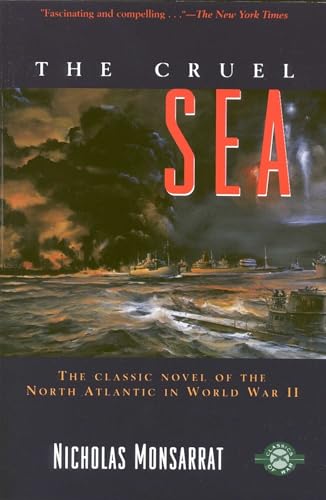
For readers who loved the nautical precision and the intense atmosphere of sailing in The Riddle of the Sands, this novel provides a masterclass in maritime life. While set in WWII, it shares the same deep respect for the sea as both a setting and a character.

While the setting is Cold War rather than Edwardian, this novel is the spiritual successor to the grounded, intellectual spy thriller pioneered by Childers. It strips away the glamour of espionage to focus on the complex, morally ambiguous reality of the trade.

Love to read on the go?
Explore Kindle e-readers and take your books with you.
As an Amazon Associate, we earn from qualifying purchases.

This classic captures the 'Great Game' of intelligence and political maneuvering in a way that resonates with the geopolitical tensions of Childers' novel. It features a rich, immersive setting and a protagonist who must navigate complex loyalties and hidden dangers.

Readers who enjoyed the meticulous attention to detail and the 'how-to' procedural elements of The Riddle of the Sands will be gripped by this thriller. It follows a methodical assassin with the same level of technical focus that Childers applied to sailing and navigation.

If the nautical obsession and technical sailing descriptions were the highlight of your reading experience, O'Brian is the gold standard. This novel offers an immersive, historically rigorous look at life at sea, paired with a deep, intellectual friendship.

Sharing the era and the sense of paranoia found in The Riddle of the Sands, this novel explores conspiracy through a more surreal and philosophical lens. It captures the same feeling of an ordinary individual stumbling into a vast, hidden web of power.

by John Buchan
A direct sequel in spirit to The Thirty-Nine Steps, this novel leans heavily into the geopolitical intrigue of the early 20th century. It features the same sense of adventure and amateur heroism that defines the protagonists of Childers' work.

Greene excels at the intersection of personal morality and political maneuvering, echoing the themes of national duty present in The Riddle of the Sands. It offers a more modern, yet equally cynical, look at the consequences of foreign intervention.

Not sure what they've already read?
Let them pick their next favorite with an Amazon Gift Card.
As an Amazon Associate, we earn from qualifying purchases.
As an Amazon Associate, we earn from qualifying purchases.