

Based on your book
The ritual process
by Victor Witter Turner
Victor Turner's "The Ritual Process" isn't a narrative in the traditional sense; it's an intellectual journey into the heart of human culture and social organization. Turner unpacks the concept of 'liminality' – those crucial, often unsettling, 'in-between' states that define rituals and transitions across societies. He shows how these moments, where everyday rules are suspended, allow for a powerful sense of 'communitas' before individuals are reincorporated into new social structures. The reading experience is analytical and deeply thought-provoking, like engaging in a stimulating conversation with a brilliant mind. It’s a book for readers who enjoy dissecting social phenomena, understanding the intricate dance between structure and anti-structure, and exploring the philosophical underpinnings of human identity and collective behavior. You’ll emerge with a fresh perspective on every ceremony, every transition, you encounter.
10 Books similar to 'The ritual process'
If you found Victor Turner's deep dive into the liminal and the social function of ritual profoundly insightful, our curated list continues that intellectual exploration. We’ve chosen books that further examine the symbolic meaning embedded in cultural practices, the profound impact of social structures on identity, and the fascinating ways societies navigate transitions and power dynamics. Whether you're drawn to foundational anthropological theory or fictional narratives that brilliantly illustrate these complex ideas, you’ll find kindred spirits here that resonate with Turner’s groundbreaking work.
As an Amazon Associate, we earn from qualifying purchases.

This seminal work is a direct intellectual predecessor to Turner's "The Ritual Process," introducing the tripartite structure of separation, liminality, and reincorporation that forms the bedrock of ritual studies. Readers will appreciate the foundational insights into how societies manage transitions and the symbolic meaning embedded in life's crucial moments.

Eliade delves into the fundamental human experience of the sacred and the profane, exploring how myths, rituals, and symbols create meaning and structure existence. Fans of Turner will find resonant themes in the exploration of hierophanies and the ways societies demarcate and experience extraordinary time and space.
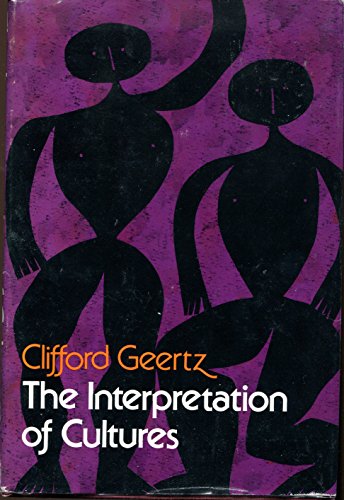
Geertz's work is crucial for understanding symbolic anthropology, emphasizing "thick description" to interpret the layers of meaning in cultural practices, including rituals. This book offers a complementary methodological approach to Turner's, showing how to analyze the intricate webs of significance within human actions and expressions.

by Mary Douglas
Douglas explores how concepts of purity and pollution are fundamental to social ordering and classification, often manifested through ritual and taboo. This book provides a fascinating lens through which to understand the underlying logic of ritual behavior and how societies define and manage boundaries, echoing Turner's focus on structure and anti-structure.

Prefer to listen?
Try Audible and hear the story instead of reading it.
As an Amazon Associate, we earn from qualifying purchases.

Campbell's magnum opus reveals the universal patterns of the "monomyth" or hero's journey, which can be seen as a ritualized process of transformation and initiation. Readers who appreciate Turner's structural analysis of ritual will find compelling parallels in Campbell's exploration of archetypal stages and their symbolic significance across cultures.

Durkheim's classic sociological text investigates the origins and functions of religion, ritual, and collective effervescence in creating social solidarity. It provides a foundational understanding of how shared rituals bind communities and reinforce collective consciousness, offering a macro-sociological perspective that complements Turner's anthropological focus.

This science fiction masterpiece explores a gender-fluid society, offering a profound fictional examination of liminality, cultural difference, and the construction of identity. The narrative features significant ritualistic elements and a deep dive into an alien social structure, providing a compelling imaginative counterpart to Turner's theoretical work.
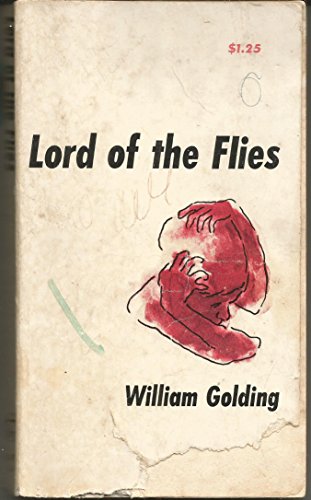
Golding's chilling novel vividly portrays the rapid breakdown of social order and the emergence of primitive rituals, power struggles, and collective violence among a group of stranded boys. It serves as a stark fictional exploration of anti-structure and the dark side of communitas, resonating with Turner's insights into liminality and social dynamics.

Achebe's powerful novel depicts the rich cultural life and traditional rituals of an Igbo community before and during the arrival of British colonialism. It offers a poignant narrative of cultural clash, the erosion of established social structures, and the devastating impact on individual and collective identity, providing a vivid case study relevant to Turner's themes.

Atwood's dystopian novel presents a society rigidly controlled by ritualized practices, symbolic costumes, and oppressive social structures designed to control women's bodies and identities. Readers interested in the power dynamics of ritual and how it can be used for social control will find a compelling, disturbing fictional exploration of these themes.

Love to read on the go?
Explore Kindle e-readers and take your books with you.
As an Amazon Associate, we earn from qualifying purchases.
As an Amazon Associate, we earn from qualifying purchases.