

Based on your book
The Satanic Verses
by Rushdie, Salman
The Satanic Verses begins with a literal fall from the sky: two Indian actors, Saladin Chamcha and Gibreel Farishta, survive a mid-air explosion over the English Channel. What follows is a kaleidoscopic journey through identity, migration, and the blurred lines between divine inspiration and human frailty. Rushdie writes with a restless, maximalist energy that forces you to constantly recalibrate your understanding of what is real and what is myth. It is a demanding read, thick with wordplay, historical subversion, and biting satire that takes aim at everything from religious dogma to the cold reality of the immigrant experience. You should pick this up if you enjoy literature that challenges you to think as much as it entertains, and if you have the patience to lose yourself in a sprawling, dreamlike narrative that refuses to be neatly categorized.
10 Books similar to 'The Satanic Verses'
Since you appreciate the way Rushdie balances metaphysical chaos with sharp social critique, these selections were chosen to expand on that specific tension. Whether through the surreal political satire of Mikhail Bulgakov or the lyrical cultural investigations of Arundhati Roy and Zadie Smith, these books explore the same messy intersection of tradition and modernity. We selected these titles because they mirror the way you navigate the friction of identity and displacement. They offer a similar intellectual rigor, proving that the most profound stories are often those that refuse to settle into a single, comfortable reality.
As an Amazon Associate, we earn from qualifying purchases.

As the definitive companion piece to The Satanic Verses, this novel shares Rushdie's signature blend of magical realism, post-colonial history, and sprawling, labyrinthine narratives. It explores the intricate connection between personal identity and the destiny of a nation, mirroring the epic scope and linguistic playfulness found in his later work.

This masterpiece of magical realism shares the dense, multi-generational storytelling and surreal atmosphere that defines Rushdie's style. Readers who appreciate the way The Satanic Verses weaves myth and political reality together will find a similar, deeply immersive experience here.

by Günter Grass
A seminal work of post-war literature that utilizes an unreliable narrator and grotesque, satirical imagery to critique history, much like Rushdie does. Its bold experimentation with form and its unflinching look at societal trauma make it a natural follow-up for fans of Rushdie's provocative prose.

Roy captures the collision of personal tragedy and political history with a lyrical, inventive prose style that echoes Rushdie's linguistic dexterity. It offers a similarly devastating yet beautiful exploration of how rigid social structures and religious expectations shape individual lives.

Prefer to listen?
Try Audible and hear the story instead of reading it.
As an Amazon Associate, we earn from qualifying purchases.

While more grounded in realism than Rushdie's work, this novel is essential for readers interested in the clash of cultures, religion, and the post-colonial experience. It provides a foundational perspective on the themes of identity and societal transformation that Rushdie deconstructs in his own writing.

This Soviet-era satire features the devil visiting Moscow, creating a chaotic, surreal, and deeply philosophical narrative that parallels the metaphysical and religious questioning in The Satanic Verses. Its blend of biting social critique and fantastical elements will feel instantly familiar to Rushdie fans.

Ellison's exploration of identity, race, and the struggle to be seen in a society that refuses to acknowledge one's humanity resonates deeply with the migrant experience depicted in Rushdie's work. It is a complex, intellectual, and powerful novel that challenges the reader's perception of reality.
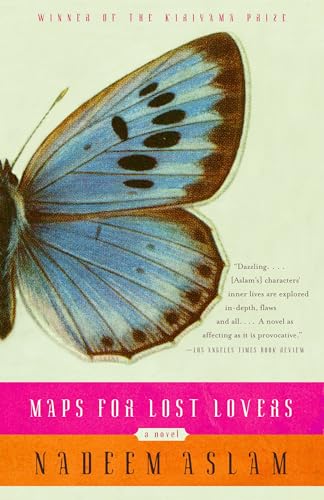
by Nadeem Aslam
Set within a Pakistani immigrant community in England, this novel explores the tension between tradition, religion, and modern life with a poetic intensity. It serves as a more intimate, localized examination of the same cultural displacement and identity struggles that Rushdie tackles on a grander scale.

by Ben Okri
This Booker Prize-winning novel uses the perspective of an 'abiku' (spirit child) to navigate the political and social landscape of Nigeria, blending the spiritual and the mundane. Fans of Rushdie's magical realism will appreciate the dreamlike narrative structure and the profound commentary on history.

by Zadie Smith
Smith's vibrant, multi-generational saga about immigrant families in London captures the chaos, humor, and hybridity of the post-colonial experience. It shares Rushdie's penchant for large casts, intricate plotting, and the exploration of how history and religion intersect with contemporary life.

Love to read on the go?
Explore Kindle e-readers and take your books with you.
As an Amazon Associate, we earn from qualifying purchases.
As an Amazon Associate, we earn from qualifying purchases.