

Based on your book
The Science of Hormesis in Health and Longevity
by Rattan, Suresh
Rattan explores the counterintuitive biological truth that mild, controlled stress is actually the secret to cellular resilience. Rather than avoiding all discomfort, this book examines how our bodies respond to specific challenges—like heat, cold, or nutritional restriction—by triggering repair mechanisms that ultimately delay aging. It is a dense, intellectual, and highly clinical look at the mechanics of human longevity, eschewing pop-science platitudes for a rigorous, data-driven analysis of homeostasis and stress response. The pacing is deliberate and academic, designed for readers who want to understand the laboratory evidence behind biological adaptation rather than those looking for a quick wellness fix. This is a perfect match for the intellectually curious reader who views their own body as a complex, adaptable system and is ready to move beyond the superficial advice found in standard health literature.
10 Books similar to 'The Science of Hormesis in Health and Longevity'
If the scientific rigor of Rattan’s work sparked your curiosity, this curated list expands on the core principle of antifragility. We selected these titles because they bridge the gap between abstract biological theory and the lived experience of human health. Whether you are interested in the philosophical underpinnings of why stress can be beneficial or the practical, granular application of metabolic optimization, these books provide the necessary context. They share a common commitment to viewing the body not as a fragile machine to be shielded, but as an adaptive system that thrives on intelligent, calculated inputs.
As an Amazon Associate, we earn from qualifying purchases.

Like Rattan's work, this book explores the cutting-edge science of aging and biological resilience, challenging conventional wisdom about inevitable decline. It offers a similarly rigorous, analytical perspective on how we can manipulate our biology to extend healthspan.

by Elizabeth Blackburn and Elissa Epel
This book bridges the gap between cellular biology and lifestyle choices, much like the concept of hormesis focuses on how environmental stressors impact cellular health. It provides scientific evidence on how our daily habits influence the fundamental markers of aging.

by Peter Attia
Attia shares a similar commitment to evidence-based medicine and the proactive management of biological stress to prevent chronic disease. Readers interested in the granular mechanisms of hormesis will appreciate this deep dive into metabolic health and longevity strategies.
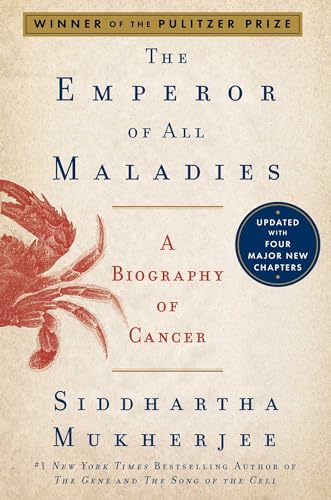
While focused on disease rather than longevity, this masterpiece shares the same rigorous, scientific, and historical approach to understanding biological systems. It provides a fascinating, high-level view of how cells behave under stress, which will appeal to readers of Rattan's work.

Love to read on the go?
Explore Kindle e-readers and take your books with you.
As an Amazon Associate, we earn from qualifying purchases.

Taleb's philosophical framework of 'antifragility' is the conceptual cousin to hormesis—the idea that systems (biological or otherwise) thrive when exposed to stress. It provides the broader theoretical context that makes the biological science of hormesis so compelling.

by Dan Buettner
This book complements the cellular focus of hormesis with real-world, epidemiological evidence of how environmental and lifestyle factors contribute to extreme longevity. It bridges the gap between laboratory science and the practical application of healthy living.

Walker examines a fundamental biological necessity with the same scientific rigor that Rattan applies to hormesis. It reveals how our internal systems are built to handle stress and recovery, providing a crucial piece of the puzzle for anyone interested in longevity.

by James Nestor
Nestor explores how a simple, involuntary biological function can be modulated to improve health, mirroring the hormetic principle of using controlled inputs to optimize bodily systems. It is an accessible yet deeply researched look at human physiology.

by Bill Bryson
Bryson offers a comprehensive, witty, and highly readable tour of human biology that contextualizes how our systems function and fail. It provides an excellent, broad-spectrum foundation for understanding the complex biological processes that Rattan discusses in specific detail.

by Max Lugavere
Lugavere focuses on the intersection of nutrition and neurological health, emphasizing how specific dietary stresses and inputs can optimize brain function. It aligns perfectly with the hormetic view that the right kind of environmental interaction can lead to superior biological outcomes.

Not sure what they've already read?
Let them pick their next favorite with an Amazon Gift Card.
As an Amazon Associate, we earn from qualifying purchases.
As an Amazon Associate, we earn from qualifying purchases.