
Based on your book
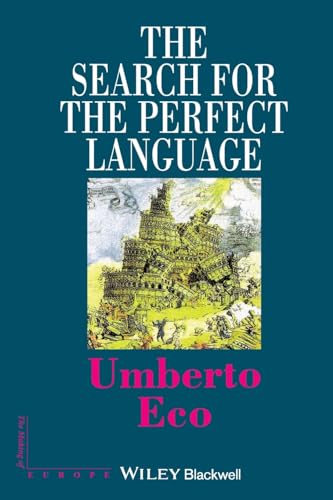
The Search for the Perfect Language
by Eco, Umberto
Umberto Eco invites you on a sprawling intellectual scavenger hunt through history, tracing humanity’s obsession with finding a single, divine language that could bridge the gap between our minds and the truth of the universe. From the mystical traditions of the Kabbalah to the logical rigor of Enlightenment philosophers, Eco documents the persistent, often doomed, attempts to recover an original tongue that predates the confusion of Babel. The reading experience is dense and scholarly, yet crackling with the wit and curiosity of a man who genuinely loves the quirks of human thought. You will feel as though you are sitting in a private library with an eccentric professor who is just as interested in the failures of these projects as he is in their ambition. This is a rewarding challenge for readers who enjoy history of ideas, linguistics, and the philosophical weight of the words we use every day.
10 Books similar to 'The Search for the Perfect Language'
Since you enjoyed Eco’s exploration of how language attempts to define reality, we have curated a list that leans into the intersection of linguistics, history, and the human compulsion to find patterns in chaos. These selections range from the practical evolution of speech to the fictionalized weight of dictionaries and conspiracies. Whether you are interested in the mechanics of how we think or the philosophical implications of universal communication, these titles echo Eco’s analytical curiosity. They continue the conversation about how our words serve as both a bridge and a barrier to understanding the world.
As an Amazon Associate, we earn from qualifying purchases.

by R.F. Kuang
This novel deeply explores the power of language, translation, and etymology, much like Eco's work, but frames it within a gripping academic fantasy setting. It examines how language shapes reality and empire, mirroring Eco's interest in the philosophical implications of linguistic structures.
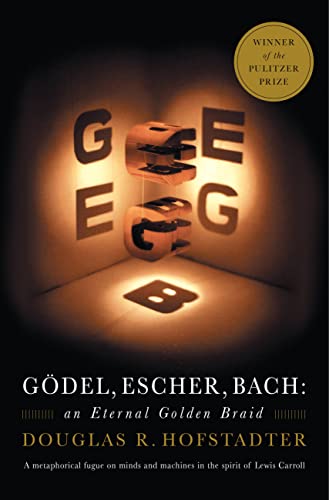
Fans of Eco's interdisciplinary approach will appreciate this masterpiece that weaves together mathematics, art, and music to explore the nature of cognition and meaning. It shares Eco's playful yet rigorous intellectual curiosity and his love for complex, self-referential systems.

This book serves as a perfect companion to Eco's exploration of linguistic history, focusing on how our native languages influence our perception of the world. It provides a fascinating, scholarly, yet accessible deep dive into the evolution of human thought through speech.

by Umberto Eco
Since the original recommendation is non-fiction, readers should experience Eco's fiction, which applies his semiotic theories to a gripping historical murder mystery. It captures the same obsession with signs, symbols, and the medieval mindset found in his non-fiction work.

Prefer to listen?
Try Audible and hear the story instead of reading it.
As an Amazon Associate, we earn from qualifying purchases.

For those who enjoyed the historical scope of Eco's search for a perfect language, this book offers a grand narrative on how languages rise, spread, and disappear. It is a sweeping, analytical look at the history of human communication and cultural dominance.

by Pip Williams
This novel centers on the creation of the Oxford English Dictionary, highlighting how words are defined, collected, and sometimes excluded based on power dynamics. It shares Eco's reverence for the weight of words and the history contained within lexicons.
Calvino and Eco were intellectual peers, and this book functions as a philosophical meditation on structure, language, and the nature of reality. Its dreamlike, analytical prose will appeal to readers who enjoy Eco's ability to blend abstract ideas with narrative beauty.

This work provides a brilliant, accessible history of how languages evolve and change over time, which directly complements Eco's interest in the origins and failures of universal language projects. It is essential reading for anyone interested in the mechanics of human speech.
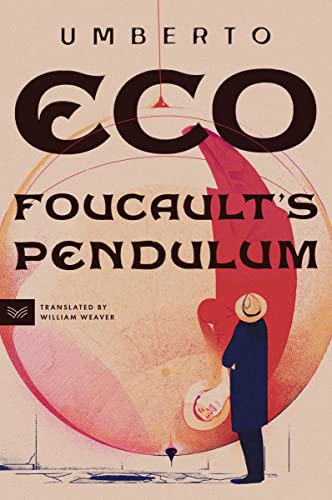
by Umberto Eco
This novel is a dense, labyrinthine exploration of conspiracy theories, esoteric history, and the human tendency to find patterns where none exist. It is the perfect fictional counterpart to Eco's non-fiction interests in how humans construct meaning from symbols.
by Arika Okrent
This book provides a humorous and insightful look at the very same topic Eco explored: the history of people trying to create a perfect, logical language. It bridges the gap between scholarly history and engaging, accessible storytelling.

Love to read on the go?
Explore Kindle e-readers and take your books with you.
As an Amazon Associate, we earn from qualifying purchases.
As an Amazon Associate, we earn from qualifying purchases.