

Based on your book
The Secret of Overcoming Verbal Abuse
by Albert Ellis
Albert Ellis, a pioneer in cognitive therapy, offers a direct, no-nonsense guide to navigating and dismantling the effects of verbal abuse in The Secret of Overcoming Verbal Abuse. This book isn't about blaming others; it's a powerful call to reclaim your own emotional landscape. Ellis provides a clear framework for understanding how your thoughts contribute to your reactions and, crucially, how to shift them. Reading this feels like a frank, empowering conversation with a wise, direct mentor. It's packed with practical, actionable strategies that empower you to identify irrational beliefs and replace them with rational ones, offering a hopeful path forward. If you're tired of feeling trapped by others' words and ready to actively build your emotional resilience, this book is for you. It's for anyone seeking concrete tools to assert their mental well-being and foster personal growth in the face of adversity, regardless of past experiences with power dynamics or dysfunctional family patterns.
10 Books similar to 'The Secret of Overcoming Verbal Abuse'
If The Secret of Overcoming Verbal Abuse resonated with you, you'll find profound value in these selections. We've curated books that deepen your understanding of self-improvement and personal growth, particularly when navigating challenging power dynamics. These recommendations provide further psychological tools for dismantling irrational beliefs, establishing healthy boundaries, and understanding the roots of emotionally abusive behavior. Whether you're seeking to fortify your self-esteem, learn practical communication strategies, or heal from past adversity, these titles offer complementary pathways to emotional autonomy and lasting resilience.
As an Amazon Associate, we earn from qualifying purchases.

by Albert Ellis
As the foundational text for Rational Emotive Behavior Therapy, this book provides the theoretical backbone for Ellis's approach to mental health. Readers will appreciate the practical, no-nonsense strategies for dismantling irrational beliefs that contribute to emotional distress.

This book offers a comprehensive look at identifying the subtle signs of verbal abuse and provides validation for those experiencing it. It complements Ellis's work by focusing specifically on the communication patterns and power imbalances found in toxic relationships.

David Burns applies cognitive-behavioral techniques to help readers overcome negative thought patterns and depression. Like Ellis, Burns emphasizes the power of the mind to reshape one's emotional reality through logic and self-monitoring.

by Henry Cloud
This guide is essential for anyone learning to protect their mental health from external negativity and manipulation. It provides a framework for establishing healthy limits, which is a crucial step in the recovery process described by Ellis and Powers.

Love to read on the go?
Explore Kindle e-readers and take your books with you.
As an Amazon Associate, we earn from qualifying purchases.

Lundy Bancroft provides a deep psychological analysis of controlling personalities and the mechanics of emotional abuse. This book helps readers understand the external factors of abuse, providing a necessary context for the internal cognitive shifts Ellis recommends.

This book explores the long-term effects of growing up in invalidating environments and offers pathways to emotional autonomy. It resonates with Ellis’s work by helping readers identify the source of their self-critical inner voices and replace them with healthier perspectives.

Focusing on the 'pathological critic' within, this book provides actionable exercises to build a resilient sense of self-worth. It mirrors the cognitive restructuring techniques found in Ellis's REBT, making it an excellent companion for practical self-work.

This resource is tailored for those dealing with high-conflict personalities and the emotional volatility that often accompanies verbal abuse. It provides specific communication tools and boundary-setting advice that align with the goal of maintaining one's rational equilibrium.

by Pete Walker
Pete Walker offers a compassionate guide to healing from the long-term psychological impacts of chronic abuse and neglect. His focus on self-reparenting and managing emotional flashbacks provides a deeper emotional layer to the cognitive techniques practiced in REBT.
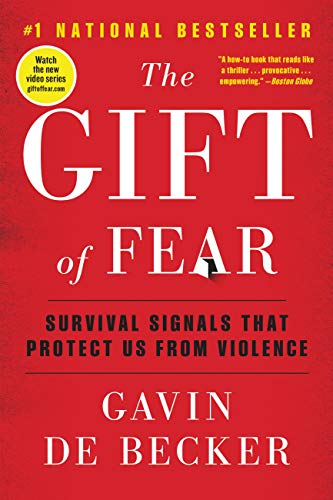
While focused on physical safety, this book is a masterclass in trusting one's intuition and recognizing manipulative behavior. It empowers readers to validate their own perceptions of danger and disrespect, reinforcing the self-trust necessary for overcoming abuse.

Not sure what they've already read?
Let them pick their next favorite with an Amazon Gift Card.
As an Amazon Associate, we earn from qualifying purchases.
As an Amazon Associate, we earn from qualifying purchases.