

Based on your book
The Ship of Death
by Winkler, Kyle
The Ship of Death explores the haunting, slow-motion catastrophe of the Franklin Expedition, focusing on the psychological erosion that takes hold when hope is slowly replaced by the crushing weight of the ice. Winkler eschews simple heroics to examine how isolation, dwindling resources, and the indifferent, freezing Arctic landscape dismantle the social structures of the crew. The reading experience is heavy and claustrophobic, mirroring the suffocating environment where every decision carries life-or-death consequences. This is a book for readers who enjoy historical accounts that prioritize the human condition over mere adventure. If you are fascinated by the intersection of hubris and nature, or if you prefer narratives that sit with the discomfort of moral breakdown under extreme pressure, you will find this account deeply unsettling and impossible to set aside.
10 Books similar to 'The Ship of Death'
Since you finished The Ship of Death and are still feeling the chill of the Arctic, these titles were curated to explore the same intersection of human fragility and unforgiving wilderness. We selected these works because they mirror the specific dread of being trapped at the edge of the world, whether through the lens of meticulous historical research or harrowing psychological fiction. From the descent into madness seen in Batavia's Graveyard to the visceral, gritty isolation of The North Water, these books capture how men behave when the constraints of civilization finally freeze over.
As an Amazon Associate, we earn from qualifying purchases.

by Dan Simmons
This novel is the definitive fictionalized account of the Franklin Expedition, perfectly capturing the same claustrophobic, icy dread and historical obsession found in Winkler's work. It blends meticulous historical research with a creeping supernatural horror that mirrors the desperate survival situation of the original crew.
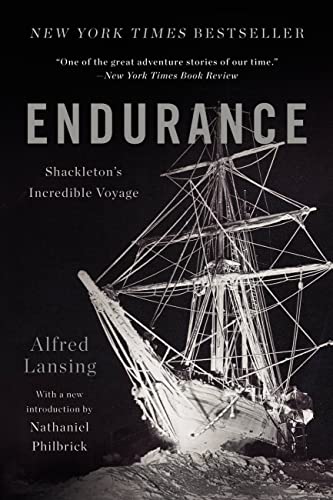
If the survival aspect of the Franklin expedition is what drew you to Winkler's book, this is the gold standard of maritime disaster narratives. It chronicles Sir Ernest Shackleton's harrowing Antarctic expedition with a level of detail and suspense that makes it impossible to put down.

Palin provides a comprehensive and engaging biography of one of the very ships that vanished in Winkler's account. It offers a broader historical context for the vessel's life before the disaster, making the eventual tragedy feel even more poignant and personal.

This narrative non-fiction work details the doomed USS Jeannette expedition, which shares the same tragic, icy fate and hubristic ambition as the Franklin expedition. It captures the same feeling of men pitted against an indifferent, frozen world, perfect for fans of maritime history.

Not sure what they've already read?
Let them pick their next favorite with an Amazon Gift Card.
As an Amazon Associate, we earn from qualifying purchases.

by Ian McGuire
For readers who appreciated the darker, grittier elements of Arctic exploration in Winkler's book, this novel offers a brutal, visceral look at 19th-century whaling. It is a dark, psychological thriller that explores the depths of human depravity in the extreme environment of the high Arctic.

by Buddy Levy
This book recounts the ill-fated Greely Expedition, another harrowing tale of Arctic exploration gone wrong. It mirrors the 'Ship of Death' in its focus on the slow, agonizing breakdown of order and morale when faced with impossible environmental odds.

While set in a different era, this account of a WWII plane crash in Greenland and the subsequent rescue missions captures the same fascination with the Arctic landscape as a killer. It connects the past and present, much like modern investigations into the Franklin mystery.

by Mike Dash
If you are fascinated by the psychological breakdown of men in isolation, this true story of a 17th-century shipwreck and the subsequent mutiny is essential reading. It explores the same themes of leadership failure and the descent into madness that often accompany maritime disasters.

by Barry Lopez
This book provides a more philosophical and contemplative look at the Arctic landscape that serves as the setting for the Franklin disaster. It helps readers understand the environment that ultimately claimed the lives of the crew, adding a layer of intellectual depth to the survival story.

This is the gripping, true story of the Belgica expedition, where the crew became trapped in the Antarctic ice for a year. It perfectly captures the psychological toll of isolation and the 'cabin fever' that likely plagued the crew of the Erebus and Terror.

Prefer to listen?
Try Audible and hear the story instead of reading it.
As an Amazon Associate, we earn from qualifying purchases.
As an Amazon Associate, we earn from qualifying purchases.