

Based on your book
The Silk Roads
by Peter Frankopan
Frankopan flips the traditional Western-centric map on its head, arguing that the true heart of civilization has always been the region stretching between the Mediterranean and China. Instead of focusing on the rise of Rome or London, he traces the flow of goods, religions, and ideas across the Silk Roads, showing how these arteries dictated the health and power of empires for millennia. Reading this feels like watching a massive, complex puzzle assemble itself; the pacing is dense with information but maintains a steady, authoritative momentum. It is written for the reader who finds satisfaction in connecting disparate dots across centuries, someone who wants to understand why our current global landscape looks the way it does. You will walk away feeling like you have finally been handed the correct set of lenses through which to view history.
10 Books similar to 'The Silk Roads'
When you finish The Silk Roads, you will likely crave more historical narratives that challenge conventional perspectives on power. We selected these books because they mirror Frankopan’s analytical rigor and his obsession with macro-history. Whether it is the cartographic power dynamics in Prisoners of Geography or the revisionist cultural history found in 1491 and Genghis Khan, these titles share a common DNA: they strip away Eurocentric biases to reveal the hidden mechanics of the world. They are perfect for readers who enjoy digging into the geopolitical threads that tie the past to our modern reality.
As an Amazon Associate, we earn from qualifying purchases.

by Tim Marshall
Much like Frankopan's work, this book uses geography as a lens to explain global politics and history, offering a crucial perspective on why nations act the way they do. It is an essential read for anyone who enjoys analytical, big-picture examinations of world power dynamics.
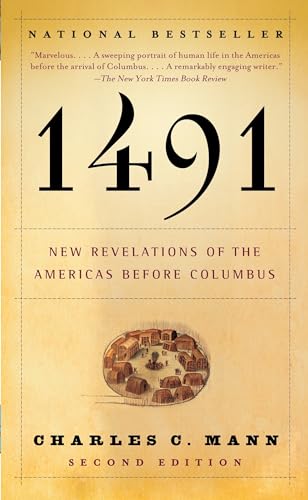
This book challenges the traditional Eurocentric narrative of history, much like Frankopan does for the Silk Roads. It provides a fascinating, deeply researched re-evaluation of the complexity and sophistication of pre-Columbian civilizations.

Dalrymple provides a gripping, detailed account of how a private corporation conquered India, mirroring Frankopan's focus on trade routes and the shifting centers of global economic power. It is a masterful blend of narrative history and rigorous research.

While narrower in scope than Frankopan's sweeping history, this book offers the same level of meticulous research and compelling storytelling that brings historical events to life. It explores how individual actions and geopolitical forces intersect to change the course of history.

Not sure what they've already read?
Let them pick their next favorite with an Amazon Gift Card.
As an Amazon Associate, we earn from qualifying purchases.

Crowley chronicles the epic struggle between the Ottoman and Christian empires, providing the same geopolitical focus on the Mediterranean that Frankopan applies to the East. It is a fast-paced, vivid account of a pivotal era in world history.

This classic work of history and anthropology shares Frankopan's ambition to explain the trajectory of human civilization through broad, interconnected themes. It is a foundational text for readers who enjoy macro-history and interdisciplinary analysis.

Focusing on the 19th-century rivalry between Britain and Russia for control of Central Asia, this book covers the exact geography that serves as the heart of Frankopan's Silk Roads. It is a thrilling narrative of espionage, exploration, and imperial ambition.

by Tony Judt
For readers who appreciate Frankopan's ability to synthesize massive amounts of information into a coherent, sweeping narrative, this book is the definitive account of modern European history. It is deeply analytical and provides a profound understanding of the contemporary world.

This book provides a necessary revisionist history of the Mongol Empire, highlighting its role in connecting East and West—a key theme in Frankopan's work. It is an engaging, fast-paced read that challenges long-held stereotypes about nomadic cultures.

Like The Silk Roads, Sapiens takes a bird's-eye view of human history, connecting disparate events into a cohesive, thought-provoking narrative. It appeals to the same intellectual curiosity and desire to understand the 'why' behind the human story.

Prefer to listen?
Try Audible and hear the story instead of reading it.
As an Amazon Associate, we earn from qualifying purchases.
As an Amazon Associate, we earn from qualifying purchases.