

Based on your book
The Song of the Cell
by Mukherjee, Siddhartha
Siddhartha Mukherjee turns his lens toward the fundamental unit of life: the cell. This is not a dry textbook, but rather a biography of our smallest building blocks. He traces the history of how we discovered these microscopic entities and how we learned to manipulate them to treat disease. The narrative moves between clinical vignettes, historical breakthroughs, and personal reflections, creating a rhythm that feels both urgent and meditative. Mukherjee has a gift for making complex biological processes feel like a unfolding drama, grounding the science in the stories of the people affected by it. This book is for readers who enjoy deep intellectual exploration and want to understand the mechanics of their own existence. It is ideal for those who appreciate science writing that balances rigorous facts with a profound sense of human wonder and ethical complexity.
10 Books similar to 'The Song of the Cell'
If this exploration of cellular life left you hungry for more, these selections expand on the intersection of biology and human experience. We chose these titles because they mirror Mukherjee's unique ability to blend technical precision with philosophical inquiry. Whether you are interested in the history of genetics, the role of microbes, or the broader ethical questions surrounding modern medicine, these books share that same spirit of intellectual curiosity. They are meant for readers who value narratives that treat scientific discovery not just as a series of facts, but as a deeply human journey.
As an Amazon Associate, we earn from qualifying purchases.

As the author's Pulitzer Prize-winning debut, this book shares the same masterful blend of historical narrative, medical insight, and deeply human storytelling found in 'The Song of the Cell.' It offers a similarly comprehensive 'biography' of a complex scientific subject, making it essential reading for fans of Mukherjee's prose.

This book mirrors the focus on cellular biology and the human stories behind scientific breakthroughs, investigating the origin of the HeLa cell line. It combines rigorous scientific reporting with an intimate, investigative narrative style that Mukherjee fans will deeply appreciate.

This companion volume to Mukherjee's other works explores the history and future of genetic research with the same lyrical, authoritative voice. Readers who enjoyed the exploration of the cell will find this deep dive into the building blocks of heredity equally captivating and illuminating.

by Oliver Sacks
Oliver Sacks is a primary influence on the style of medical humanism that Mukherjee employs, and this collection of case studies highlights the complexity of the human brain. It shares the same compassionate, observant, and deeply curious approach to understanding the biological systems that define us.

Love to read on the go?
Explore Kindle e-readers and take your books with you.
As an Amazon Associate, we earn from qualifying purchases.

by Ed Yong
Yong explores the invisible world of microbes with a sense of wonder and scientific precision that rivals Mukherjee's writing. It shifts the perspective from the human cell to the microbial communities that sustain us, offering a similarly expansive view of biological interconnectedness.

by Bill Bryson
While more humorous and conversational than Mukherjee's work, Bryson's exploration of human anatomy provides a similarly comprehensive and accessible overview of how our bodies function. It is a perfect choice for readers who want to understand their biological machinery without sacrificing an engaging narrative.
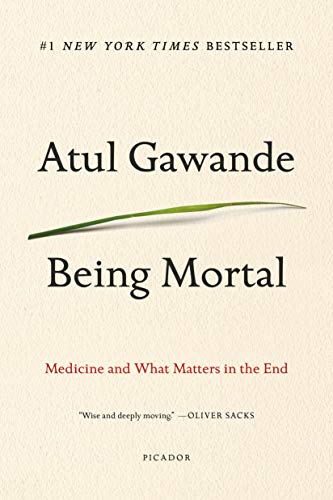
by Atul Gawande
Gawande, like Mukherjee, writes at the intersection of clinical practice and philosophical inquiry, focusing here on how modern medicine struggles with the reality of aging and death. Fans of the compassionate, patient-centered perspective in 'The Song of the Cell' will find this book profoundly moving.

by Lewis Thomas
This classic collection of essays is a foundational text for the genre of biological humanism, viewing the earth and its systems as a single, living organism. Its lyrical, meditative style directly prefigures the narrative approach Mukherjee takes in his own work.
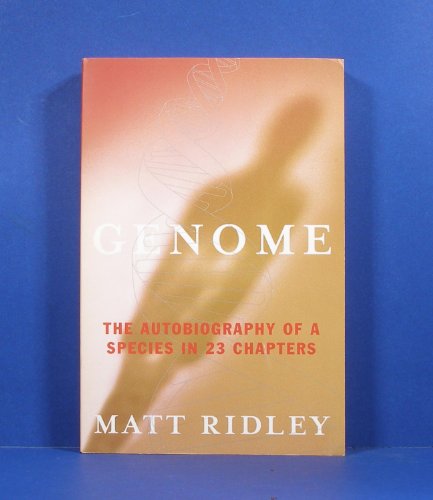
by Matt Ridley
Ridley provides a brilliant, chapter-by-chapter exploration of the human genome, balancing technical detail with accessible storytelling. Its structure and depth make it a natural follow-up for readers interested in the microscopic mechanisms of life.

by Nick Lane
For readers who want to go deeper into the 'how' of cellular life, Lane provides a rigorous yet compelling argument about the energy requirements that drove biological complexity. It shares the same sense of scientific discovery and intellectual excitement found in Mukherjee's writing.

Not sure what they've already read?
Let them pick their next favorite with an Amazon Gift Card.
As an Amazon Associate, we earn from qualifying purchases.
As an Amazon Associate, we earn from qualifying purchases.