

Based on your book
The Swamp
by Grunwald, Michael
The Everglades is often dismissed as a worthless, buggy wasteland, but Michael Grunwald reveals it to be a central character in the American story. This book tracks the Florida wetland from its origins as a vast, unruly ecosystem to its current state as a tragic monument to human hubris and failed engineering. Grunwald writes with a sharp, journalistic edge, skillfully untangling the web of developers, politicians, and misguided visionaries who tried to conquer the swamp and failed at every turn. It is a dense, analytical read that feels less like a dry history lesson and more like an autopsy of the American obsession with mastery over nature. If you enjoy untangling complex political histories or want to understand how localized environmental choices ripple into national crises, this is a essential look at the cost of progress.
10 Books similar to 'The Swamp'
If you found yourself gripped by the political maneuvering and ecological stakes in The Swamp, these selections expand on the tension between human ambition and the natural world. We have curated these titles to highlight the recurring themes of landscape transformation and the consequences of industrial exploitation. Whether you are interested in the scholarly rigor of environmental history found in Nature's Metropolis or the narrative focus on obsession and myth in The Golden Spruce, these books explore how our relationship with the land defines our culture, our failures, and our inevitable future.
As an Amazon Associate, we earn from qualifying purchases.

by Marc Reisner
Like 'The Swamp,' this seminal work investigates how human engineering and political ambition have fundamentally reshaped the American landscape. It provides a masterful, sweeping account of how water management policies have dictated the destiny of the West, mirroring Grunwald's analysis of the Everglades.

This book shares Grunwald’s urgent, investigative tone regarding humanity's profound impact on the natural world. It connects historical context with modern ecological crises, offering a similarly rigorous and thought-provoking examination of environmental change.
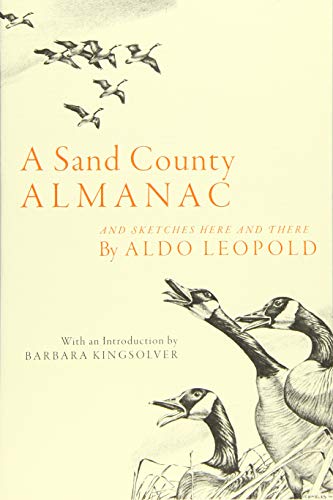
by Aldo Leopold
For readers who appreciated the ecological appreciation found in 'The Swamp,' this classic provides a foundational perspective on land ethics. It blends scientific observation with a deep, lyrical reverence for the natural landscape that Grunwald's readers will find deeply resonant.

by Erik Larson
While it leans more toward narrative history and true crime, this book shares Grunwald's skill for weaving complex historical threads into a compelling, fast-paced story about American ambition. It captures a similar sense of time and place, detailing how a massive project reshaped a city's identity.

Not sure what they've already read?
Let them pick their next favorite with an Amazon Gift Card.
As an Amazon Associate, we earn from qualifying purchases.

This book focuses on the intersection of climate change and human geography, much like 'The Swamp' examines the intersection of politics and ecology. It combines investigative journalism with personal narrative to explore how rising sea levels are forcing communities to confront their relationship with the environment.

This narrative non-fiction work explores the clash between environmental preservation and industrial exploitation, mirroring the central conflict of the Everglades. It provides a gripping, detailed look at how one act of destruction can symbolize a much larger, systemic failure.
by Lauren Groff
While fiction, this collection captures the specific, humid, and often unsettling atmosphere of Florida that Grunwald explores in his history. It touches on the same themes of human fragility against a wild, untamable landscape, making it a perfect thematic companion.

by John McPhee
McPhee is a master of environmental journalism, and this book captures the intense ideological battles between conservationists and developers. Fans of Grunwald’s political analysis will appreciate this deep dive into the personalities and philosophies that shape land-use policy.

by Susan Orlean
Set in the Fakahatchee Strand of the Everglades, this book explores the obsession and unique culture surrounding the Florida swamp. It complements 'The Swamp' by focusing on the human eccentricities and natural wonders that define this specific, endangered ecosystem.

This is a masterpiece of environmental history that, like 'The Swamp,' argues that the city and the wilderness are inextricably linked. It provides a rigorous, scholarly, yet readable analysis of how economic and ecological systems evolved together.

Prefer to listen?
Try Audible and hear the story instead of reading it.
As an Amazon Associate, we earn from qualifying purchases.
As an Amazon Associate, we earn from qualifying purchases.