
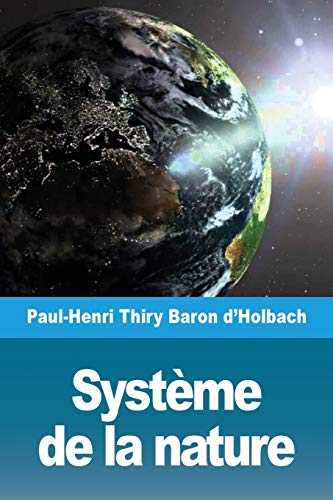
Based on your book
The System of Nature
by Paul Henri Thiry Holbach (baron d')
The System of Nature offers a sweeping, uncompromising vision of a purely material universe, stripping away supernatural explanations to present a world governed entirely by natural laws. Holbach lays out a meticulously argued case for determinism, where human beings are complex machines, and morality itself springs from our natural inclinations, not divine command. Reading this feels like engaging in a high-stakes intellectual debate with a formidable mind. It’s dense, analytical, and relentless in its logic, demanding your full attention as it systematically dismantles centuries of religious and metaphysical thought. If you’re a reader who relishes a profound intellectual challenge, who enjoys wrestling with big ideas about fate, free will, and the very nature of existence, and who isn't afraid to have their worldview rigorously examined, then this foundational work of radical Enlightenment philosophy will give you plenty to chew on.
10 Books similar to 'The System of Nature'
If Holbach's unflinching materialist vision in The System of Nature resonated with your intellect, you’ll find kindred spirits among these selections. We've gathered books that continue his rigorous philosophical inquiry, challenging religious dogma and exploring the implications of a purely naturalistic worldview. Whether it's the outright rejection of supernatural intervention, the deep dive into fate vs. free will, or the powerful social commentary on the role of reason, these works offer similar intellectual rebellion and thought-provoking analysis to keep your mind buzzing long after the final page.
As an Amazon Associate, we earn from qualifying purchases.

by Julien Offray de La Mettrie
This work is a direct and radical contemporary of Holbach's, arguing explicitly for a materialist view of human beings as complex machines, devoid of a soul or divine intervention. Readers who appreciate Holbach's unflinching naturalism and determinism will find La Mettrie's arguments equally provocative and foundational to Enlightenment materialism.

by David Hume
Hume's seminal work challenges traditional metaphysics and emphasizes empiricism, arguing that all knowledge derives from experience and reason, not innate ideas or divine revelation. Fans of Holbach's rigorous application of reason and skepticism towards supernatural claims will find Hume's philosophical method and conclusions deeply resonant.
by David Hume
This work directly and systematically dismantles common arguments for the existence of God and divine providence through a series of philosophical discussions. Readers who value Holbach's critique of religious dogma and his commitment to natural explanations will appreciate Hume's incisive, rational, and often devastating arguments against theological reasoning.

Spinoza's grand philosophical system, presented in a geometric style, posits a monistic universe where God and Nature are identical, and all events are determined by natural laws. While different in its terminology, its rigorous rationalism, determinism, and rejection of anthropocentric views of God strongly align with the spirit of Holbach's materialism and naturalism.

Love to read on the go?
Explore Kindle e-readers and take your books with you.
As an Amazon Associate, we earn from qualifying purchases.
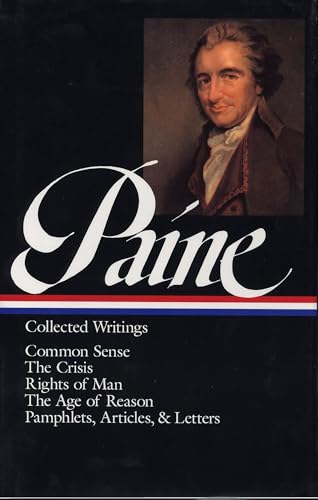
by Thomas Paine
Paine's bold and accessible critique directly challenges organized religion, advocating for deism and the power of human reason to understand the natural world. Readers who appreciate Holbach's direct confrontation with religious authority and his championing of rational thought will find Paine's arguments equally compelling and historically significant.

Hobbes's foundational text posits a materialist view of human nature and society, arguing that humans are driven by self-interest and that political order arises from a social contract, not divine right. Holbach's readers will recognize the shared commitment to understanding human behavior through naturalistic principles and the rejection of supernatural justifications for governance.

by Voltaire
Voltaire's passionate plea for religious tolerance, written in response to a wrongful execution, champions reason, justice, and humanity over fanaticism and dogma. While not strictly materialist, its Enlightenment spirit, critique of religious abuses, and advocacy for rational, humane governance resonate strongly with Holbach's broader project of freeing humanity from superstition.

Darwin's revolutionary scientific work provides a comprehensive naturalistic explanation for the diversity of life, fundamentally challenging creationist views and solidifying a worldview based on natural processes. While a scientific text, its profound philosophical implications for understanding the world without divine intervention make it a spiritual successor to Holbach's materialist project.

Kant's monumental work critically examines the limits and scope of human reason, exploring how we construct our understanding of the world and the boundaries of metaphysical knowledge. While complex and reaching different conclusions, its rigorous analytical approach to fundamental questions of knowledge and existence will appeal to readers who appreciate Holbach's deep philosophical inquiry.

Nietzsche's radical philosophical novel challenges traditional morality, religion, and the concept of God, advocating for human self-overcoming and the creation of new values. While written later and in a distinct style, its profound critique of established dogma and its focus on human agency and the re-evaluation of all values will resonate with readers drawn to Holbach's anti-religious and human-centric stance.

Not sure what they've already read?
Let them pick their next favorite with an Amazon Gift Card.
As an Amazon Associate, we earn from qualifying purchases.
As an Amazon Associate, we earn from qualifying purchases.