

Based on your book
The Tale of Genji
by Shikibu, Murasaki
The Tale of Genji is less a traditional novel and more a slow, meditative immersion into the life of the Shining Prince. Spanning decades, the narrative tracks Genji as he navigates the rigid, fragile hierarchies of the Heian court, pursuing elusive romances and managing the weight of his own family legacy. You are not reading for plot twists or fast-paced action; instead, the experience is defined by a heavy, beautiful melancholy. The prose lingers on the shifting of seasons, the nuance of a poem exchanged between lovers, and the quiet decay of influence. It is a demanding, sprawling work that rewards patience. This book is for the reader who values atmosphere over momentum and wants to sit with the profound sadness of how time inevitably erodes even the most brilliant lives.
10 Books similar to 'The Tale of Genji'
Since you appreciate the way Genji anchors personal desire within the unforgiving structures of history and social ritual, this curated list explores those same tensions. Whether you are drawn to the aesthetic philosophy of shadows, the slow decline of aristocratic families, or the way fate shapes generations, these books act as mirrors to Murasaki Shikibu’s masterpiece. We have gathered works that capture that specific, lingering sense of poignancy and the intricate dance of duty, allowing you to trace the evolution of these themes from classical court records to modern multi-generational sagas.
As an Amazon Associate, we earn from qualifying purchases.

by Sei Shonagon
Written by a contemporary of Murasaki Shikibu, this collection of lists and observations provides the perfect companion piece to Genji, offering a direct, witty, and intimate look into the daily life and aesthetic sensibilities of the Heian court.

Often called the modern 'Tale of Genji,' this novel chronicles the decline of an aristocratic family in pre-WWII Osaka with a similar focus on social rituals, romantic entanglements, and the slow passage of time.
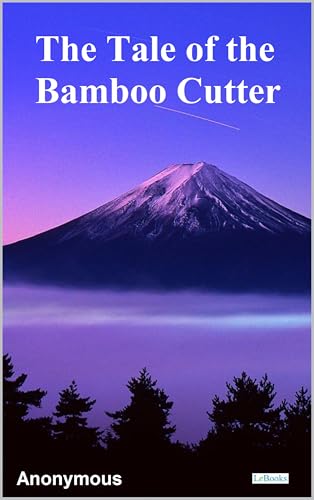
by Anonymous
As the oldest extant Japanese narrative, this foundational text shares the lyrical, ethereal, and courtly atmosphere found in Genji, blending folklore with the complex emotional landscapes of the aristocracy.

by Min Jin Lee
While set in a different era, this sprawling multi-generational saga captures the same intricate attention to social hierarchy, family duty, and the quiet, persistent struggles of characters navigating a changing society.

Love to read on the go?
Explore Kindle e-readers and take your books with you.
As an Amazon Associate, we earn from qualifying purchases.

The first volume of the 'Sea of Fertility' tetralogy, this novel is deeply steeped in the aesthetic obsession and tragic romance characteristic of classical Japanese literature, echoing the fatalistic beauty of Genji's world.

Readers who enjoy the immersive, highly stylized world-building and the intense focus on the intricate social codes of Japanese tradition will find a similar allure in this narrative of beauty, art, and hidden power dynamics.

Though a modern police procedural, this massive, multi-layered epic mirrors Genji's structure through its vast cast of characters and its profound, patient exploration of how individual lives are shaped by the rigid structures of Japanese society.

by Liza Dalby
This fictionalized biography of Murasaki Shikibu herself imagines the life of the author behind the masterpiece, providing a fascinating, lyrical context to the creation of Genji’s world.

This essay collection is essential reading for any Genji fan, as it articulates the very philosophy of aesthetics, light, and shadow that defines the atmosphere of Heian-era literature.

by Anonymous
A classic epic of the samurai era, it complements Genji by showing the transition from the courtly, aesthetic world of the Heian period to the brutal, war-torn reality that followed, perfect for those interested in the 'rise and fall' motif.

Not sure what they've already read?
Let them pick their next favorite with an Amazon Gift Card.
As an Amazon Associate, we earn from qualifying purchases.
As an Amazon Associate, we earn from qualifying purchases.