

Based on your book
The Talent Code
by Coyle, Daniel
Daniel Coyle pulls back the curtain on the biological reality of genius, arguing that talent is not a mystical gift but a physical structure built through a neural substance called myelin. By visiting talent hotbeds like tennis academies in Russia and music schools in the United States, Coyle identifies the specific environmental triggers that spark high-speed learning. The reading experience is grounded and investigative, moving quickly from neuroscience to real-world anecdotes without ever feeling like a dense textbook. It manages to feel both clinical and deeply personal, shifting your perspective on what is possible for your own development. This is a manual for the curious and the ambitious who want to understand the mechanics of growth. If you have ever wondered why some people seem to learn faster than others, this book provides the blueprint for your own upgrade.
10 Books similar to 'The Talent Code'
Since you enjoyed the way Coyle unpacks the science of potential, we have curated a list that expands on these themes of deliberate practice and cognitive growth. These selections bridge the gap between the neurological theory found in The Talent Code and the practical, daily habits required to master a craft. Whether you are interested in the psychological underpinnings of grit, the role of genetics in elite performance, or actionable routines to sharpen your focus, these books provide a complete toolkit for anyone looking to optimize their personal and professional development.
As an Amazon Associate, we earn from qualifying purchases.
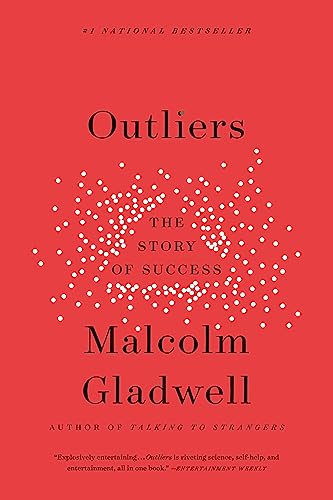
Like The Talent Code, this book deconstructs the mystery of high achievement by examining the environmental and cultural factors that create success. It shares Coyle's accessible, narrative-driven approach to explaining complex social and psychological phenomena.

Written by the psychologist whose research inspired much of the 'deliberate practice' concept discussed in The Talent Code, this book offers a rigorous, scientific look at how anyone can master a skill. It is the perfect deep dive for readers who want to apply Coyle's theories practically.

Duckworth's research complements Coyle's findings by focusing on the psychological trait of 'grit' as the primary predictor of success. Readers who enjoyed learning about the 'why' behind talent will appreciate the focus on the 'how' of sustained effort.

This foundational work on 'growth mindset' aligns perfectly with the idea that talent is developed rather than innate. It provides the psychological framework that supports the practice habits advocated in The Talent Code.

Love to read on the go?
Explore Kindle e-readers and take your books with you.
As an Amazon Associate, we earn from qualifying purchases.
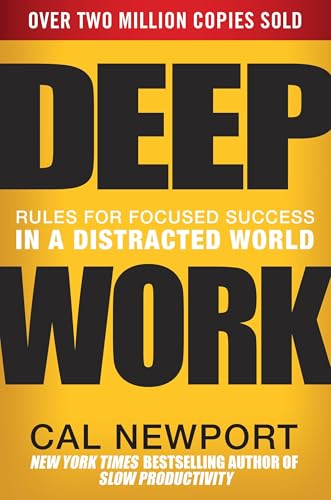
by Cal Newport
While Coyle focuses on how talent is built, Newport focuses on how to leverage that talent to produce high-value results through intense concentration. It is a natural companion for readers interested in the mechanics of high-performance output.

Epstein provides a fascinating counterpoint and expansion to the nurture-focused arguments in The Talent Code by examining the role of genetics in elite performance. It offers a balanced, scientific perspective that fans of Coyle's investigative style will appreciate.

by Matthew Syed
Syed, a former Olympian, combines personal narrative with scientific research to argue that practice—not natural talent—is the key to greatness. It mirrors the structure and central thesis of The Talent Code while providing unique insights from the world of professional sports.

by James Clear
Clear breaks down the micro-behaviors required for long-term mastery, which is the practical application of the 'myelin' building blocks Coyle describes. It is essential reading for those looking to turn the abstract concepts of talent development into daily routines.

by Daniel Coyle
This is the direct, actionable follow-up to The Talent Code, distilling the complex neuroscience into a handbook of practical tips. It is the perfect recommendation for readers who loved the original but want a quick-reference guide for implementation.

Epstein explores how diverse experiences and delayed specialization often lead to higher levels of creativity and success, challenging the 'early specialization' narrative. It expands the conversation started in The Talent Code to include the benefits of broad-based learning.

Not sure what they've already read?
Let them pick their next favorite with an Amazon Gift Card.
As an Amazon Associate, we earn from qualifying purchases.
As an Amazon Associate, we earn from qualifying purchases.