

Based on your book
The Tell-Tale Brain
by V.S. Ramachandran
Ramachandran treats the human brain like a complex, slightly malfunctioning puzzle that he is determined to solve. By examining rare neurological conditions—like patients who believe their parents are imposters or those who feel limbs that no longer exist—he pulls back the curtain on how our minds actually construct reality. The book feels less like a dry medical textbook and more like a series of detective stories where the mystery is the nature of the self. You will find yourself constantly pausing to look in the mirror or question your own perceptions. It is perfect for the curious reader who wants to understand why we think the way we do, especially if you enjoy science writing that prioritizes wonder and intellectual playfulness over dense, impenetrable jargon.
10 Books similar to 'The Tell-Tale Brain'
If the way Ramachandran dismantles the illusion of a unified self left you wanting more, these selections are curated to keep that specific intellectual buzz going. We focused on books that treat neurology with a blend of clinical precision and deep, humanistic curiosity. Whether you are interested in the physical malleability of neuroplasticity or the philosophical fallout of realizing our brains are not always in control, these authors mirror that same drive to uncover the hidden architecture of human identity. These reads will satisfy your hunger for both strange case studies and broader existential inquiry.
As an Amazon Associate, we earn from qualifying purchases.

by Oliver Sacks
Like Ramachandran, Sacks explores the bizarre and profound ways brain disorders alter human perception and identity. Both authors possess a deep, compassionate curiosity that transforms clinical case studies into fascinating, humanistic narratives.

This earlier work by the same author lays the foundational groundwork for the concepts explored in The Tell-Tale Brain. It offers a more focused look at his pioneering research on phantom limbs and synesthesia, perfect for readers who want to dive deeper into his specific methodology.

Eagleman investigates the subconscious processes that drive our behavior, much like Ramachandran explores the neural architecture of consciousness. It is a highly accessible and engaging look at how little control we actually have over our own minds.

This book focuses on neuroplasticity, providing a hopeful and groundbreaking perspective on how the brain can rewire itself. Fans of Ramachandran's exploration of brain adaptability will find this an essential and inspiring companion read.

Love to read on the go?
Explore Kindle e-readers and take your books with you.
As an Amazon Associate, we earn from qualifying purchases.

by Oliver Sacks
Sacks turns his observational lens toward the phenomenon of hallucinations, demystifying experiences that are often shrouded in stigma. Readers who enjoyed the 'weird science' aspects of The Tell-Tale Brain will appreciate these detailed, empathetic accounts.

Sapolsky offers a comprehensive, multi-layered explanation of human behavior, bridging the gap between neuroscience, evolution, and psychology. It shares the same ambitious, wide-ranging intellectual scope that makes Ramachandran's work so compelling.

by Oliver Sacks
This collection of essays focuses on how people perceive the world when their senses are impaired, such as those who lose the ability to read or recognize faces. It mirrors Ramachandran's interest in how the brain constructs our reality through visual processing.

by Joshua Foer
While focused on memory rather than neurology, this book explores the malleability and hidden potential of the human brain. It shares the narrative, investigative style of popular science writing that makes complex topics feel like a personal journey.

Churchland dives into the philosophy of neuroscience, asking how our understanding of the brain changes our concept of the 'self.' It is a perfect follow-up for readers who enjoyed the philosophical implications Ramachandran drew from his clinical cases.
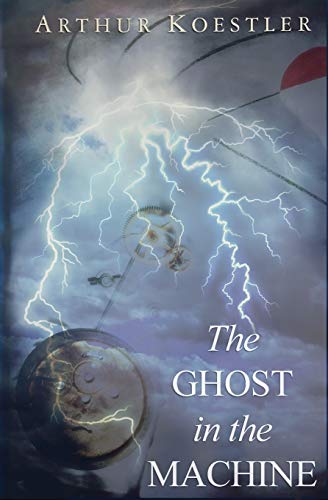
A classic in the field of psychology and biology, this book explores the 'malfunction' of the human mind and its evolutionary roots. It provides a historical and intellectual context that complements modern neurological studies like those found in The Tell-Tale Brain.

Not sure what they've already read?
Let them pick their next favorite with an Amazon Gift Card.
As an Amazon Associate, we earn from qualifying purchases.
As an Amazon Associate, we earn from qualifying purchases.