

Based on your book
The Theory of the Leisure Class
by Veblen, Thorstein
Thorstein Veblen wrote this book in 1899, but it feels like he is sitting in the room with you, pointing out exactly why your neighbors bought that specific car or why expensive brands signal status instead of quality. He dissects the habits of the wealthy not as a moralist, but as a cool, detached observer watching a strange species. The prose is dense and academic, yet it carries a sharp, satirical edge that makes you laugh out loud at the absurdity of human vanity. You are not reading this for a fast-paced plot; you are reading it to sharpen your own vision. It is for the reader who enjoys taking apart social systems and wants to understand why we perform our status for others. If you want a book that permanently changes how you look at a shopping mall or a dinner party, this is your manual.
10 Books similar to 'The Theory of the Leisure Class'
Since Veblen provides the framework for understanding why we crave status and how money acts as a performance, our list follows that thread through different eras and mediums. We chose these titles because they move from Veblen’s dry, analytical origins into the emotional fallout of social climbing, as seen in the fiction of Wharton and Fitzgerald, or the modern economic data of Piketty. Whether you want a satirical novel that mocks the elite or a sociological text that digs into the mechanics of taste, these selections explore the power dynamics and inequality Veblen first identified.
As an Amazon Associate, we earn from qualifying purchases.

by Max Weber
Like Veblen, Weber offers a foundational sociological analysis of how cultural and religious values shape economic behavior. It is essential reading for anyone interested in the intellectual history of capitalism and the societal structures that underpin wealth accumulation.

This novel serves as the perfect fictional counterpart to Veblen's theories, dramatizing the emptiness of conspicuous consumption and the rigid, often cruel, social stratification of the American elite. It captures the 'leisure class' lifestyle with a tragic, lyrical intensity that Veblen's dry prose only hints at.

De Botton explores the psychological toll of social status, directly addressing the modern anxieties that Veblen identified as driving the 'leisure class' behavior. It provides a more accessible, philosophical lens through which to view our obsession with rank and material success.

Galbraith builds upon Veblen's critique of the wealthy by examining how post-WWII economic prosperity failed to address public needs and exacerbated inequality. It is a vital follow-up for readers who want to see how these sociological theories evolved into modern economic policy critique.

Love to read on the go?
Explore Kindle e-readers and take your books with you.
As an Amazon Associate, we earn from qualifying purchases.

by William Makepeace Thackeray
This classic novel is a biting satire of early 19th-century British society, featuring characters who are obsessed with climbing the social ladder at any cost. Its portrayal of social maneuvering and the performative nature of wealth makes it a perfect literary companion to Veblen’s sociological observations.
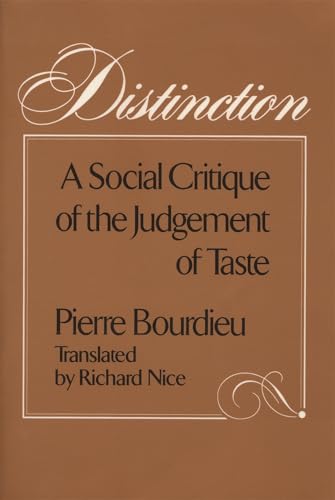
Bourdieu takes Veblen's ideas about status symbols and deepens them by analyzing how cultural 'taste' is used to maintain class boundaries. It is a dense but rewarding academic text that explains why we like what we like in terms of social capital.

by Tom Wolfe
Wolfe’s novel is a sprawling, cynical examination of 1980s New York, exposing the grotesque excesses and moral decay of the city's elite. It functions as a modern, fictionalized version of Veblen's critique, focusing on the intersection of wealth, race, and social status.
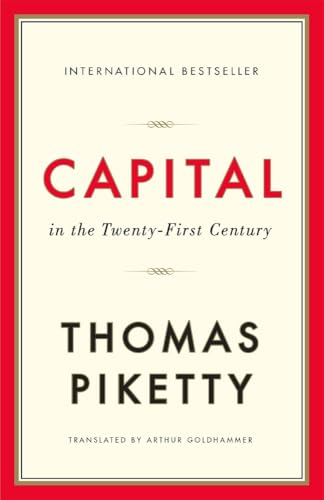
Piketty provides the modern empirical data that supports the structural critiques Veblen theorized over a century ago. It is a crucial text for understanding how wealth concentration functions in the current global economy.

Wharton masterfully depicts the suffocating social pressures of the Gilded Age, where a woman's survival depends entirely on her ability to navigate the fickle whims of the wealthy. It is a poignant, realistic look at the human cost of the social hierarchy Veblen described.

While focused on social capital rather than just wealth, Putnam’s analysis of societal trends offers a similar 'big picture' sociological view of American life. It complements Veblen by showing how the structures of our leisure and community time have shifted alongside our economic habits.

Not sure what they've already read?
Let them pick their next favorite with an Amazon Gift Card.
As an Amazon Associate, we earn from qualifying purchases.
As an Amazon Associate, we earn from qualifying purchases.