

Based on your book
The Things from Another World
by Betancourt, John Gregory
Deep in the Antarctic ice, an expedition crew unearths a spacecraft that has been buried for eons. What they find inside is not a dormant relic, but a biological nightmare waiting to wake up. This story leans heavily into the claustrophobia of being trapped at the edge of the world, where the freezing landscape is only the second most dangerous thing you face. The pacing is relentless, built on the slow-drip realization that the person standing next to you might not be human anymore. It avoids grand space opera tropes in favor of intimate, gritty survival horror. If you enjoy stories where paranoia is a character in its own right and you appreciate the feeling of being hunted in a place where no one can hear you scream, this is a perfect pick.
10 Books similar to 'The Things from Another World'
Since you enjoyed the suffocating dread and isolation of this Antarctic nightmare, these titles were chosen to keep that specific tension alive. Whether it is the deep-sea psychological fracturing in The Deep, the historical arctic isolation of Dark Matter, or the existential terror of encountering the unknowable in Blindsight, these books share a focus on the breakdown of human trust. We curated this list for readers who want to explore how extreme environments turn internal suspicion into a lethal survival challenge when the enemy is impossible to identify.
As an Amazon Associate, we earn from qualifying purchases.

As the original novella that inspired both the 1982 film and Betancourt's novelization, this is the essential source material. Readers will appreciate the raw, claustrophobic tension and the foundational exploration of paranoia in an isolated Antarctic research station.

This classic tale of an Antarctic expedition uncovering terrifying, ancient horrors shares the same bleak, isolated atmosphere found in Betancourt's work. It masterfully builds dread as scientists realize they are completely out of their depth against an unknowable, alien threat.

Much like the Antarctic setting of The Thing, this novel traps a team of scientists in an isolated, high-pressure environment (the bottom of the ocean) where they must confront an alien presence. It mirrors the psychological unraveling and paranoia that occurs when a group is cut off from civilization.

This book captures the unsettling, surreal nature of biological horror and the breakdown of trust within a small, isolated research team. Fans of the creeping, invasive dread in Betancourt's novel will find the transformation and assimilation themes deeply familiar.

Not sure what they've already read?
Let them pick their next favorite with an Amazon Gift Card.
As an Amazon Associate, we earn from qualifying purchases.

by Dan Simmons
This historical horror novel masterfully utilizes a frozen, desolate setting to amplify the fear of the unknown and the breakdown of human order. Like Betancourt's work, it focuses on how extreme cold and isolation force people to turn on each other when faced with an unnatural predator.

Set on a massive, wandering spaceship where the crew has forgotten their origins, this novel explores the same deep-seated paranoia and societal collapse found in confined, high-stakes environments. It echoes the feeling of being trapped with something dangerous and unknown.

by Peter Watts
For readers who enjoyed the scientific and existential horror of encountering a truly 'alien' intelligence, this novel offers a hard-science perspective on first contact. It shares the same bleak, intellectual tone regarding the futility of human comprehension when facing a superior, non-human threat.

by Scott Smith
This novel perfectly captures the 'group under siege' dynamic where the environment itself becomes the enemy. The slow, creeping realization that the characters are being picked off one by one by an implacable, non-human force mirrors the pacing and dread of Betancourt's story.

Set in the Arctic in the 1930s, this ghost story excels at creating a sense of creeping dread and isolation that will resonate with fans of the Antarctic setting of The Thing. It focuses on the psychological deterioration of a man left alone in a place that feels inherently hostile to human life.
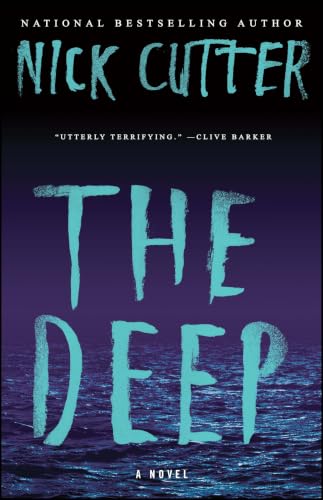
by Nick Cutter
This story of a research station located in a deep-sea trench creates a visceral, claustrophobic experience where the characters are slowly losing their grip on reality. The focus on biological horror and the breakdown of the team's sanity aligns perfectly with the tone of Betancourt's work.

Prefer to listen?
Try Audible and hear the story instead of reading it.
As an Amazon Associate, we earn from qualifying purchases.
As an Amazon Associate, we earn from qualifying purchases.