
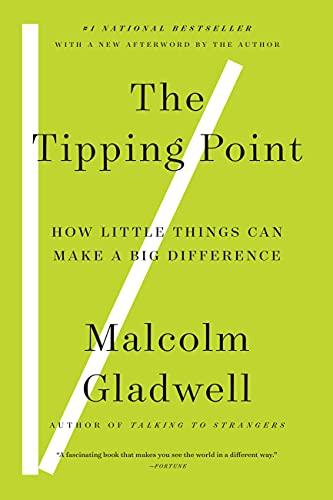
Based on your book
The Tipping Point
by Gladwell, Malcolm
Malcolm Gladwell argues that social epidemics function much like physical ones, requiring a specific set of circumstances to trigger rapid, widespread adoption. He dissects the mechanics of how ideas, products, and behaviors move through a culture, identifying the key players—the connectors, mavens, and salesmen—who act as catalysts for change. The experience of reading this is akin to having a conversation with a perpetually curious friend who constantly points out the invisible architecture behind your daily habits. It is less about dry statistics and more about framing the world as a series of interconnected, observable patterns. If you enjoy pulling back the curtain on why things go viral or how small social shifts gain momentum, this book will change the way you observe your own environment and the people within it.
10 Books similar to 'The Tipping Point'
If this investigation into social mechanics resonated with you, you will likely appreciate these titles that further explore the hidden structures of human behavior. We selected these books because they share that same analytical spirit, using psychological and economic frameworks to explain why we act the way we do. Whether you are interested in the subtle nudges that influence our decisions or the surprising intelligence found in collective groups, these authors excel at deconstructing complex social systems into relatable, actionable insights. They provide the perfect intellectual follow-up to Gladwell's observational style.
As an Amazon Associate, we earn from qualifying purchases.
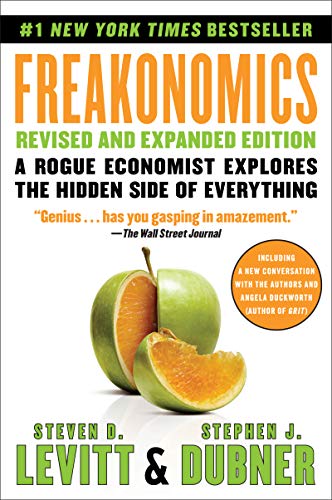
by Steven D. Levitt and Stephen J. Dubner
Like Gladwell, the authors apply economic principles to everyday life, uncovering hidden incentives and unexpected connections. It shares that same 'aha!' factor where mundane events are revealed to be driven by complex, unseen forces.
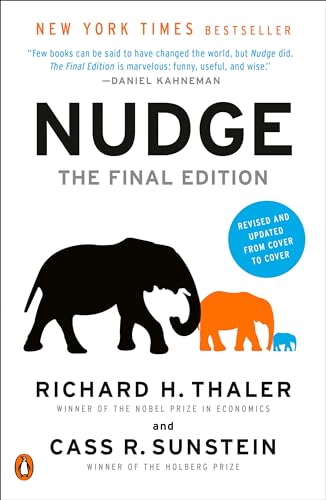
by Richard H. Thaler and Cass R. Sunstein
This book explores how small changes in the way choices are presented can have massive impacts on human behavior. It mirrors Gladwell's interest in how subtle environmental factors 'tip' decisions in specific directions.
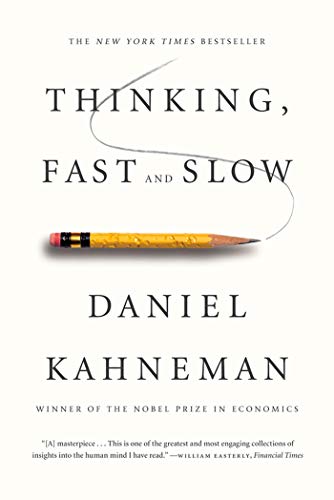
Kahneman provides the psychological foundation for many of the phenomena Gladwell discusses, explaining the two systems that drive our thought processes. It is essential reading for anyone interested in the mechanics of human decision-making.

Surowiecki explores how large groups of people are often smarter than the few elites, a concept that complements Gladwell's exploration of social epidemics. It is a masterclass in analyzing collective behavior and social systems.

Love to read on the go?
Explore Kindle e-readers and take your books with you.
As an Amazon Associate, we earn from qualifying purchases.

by Susan Cain
Cain uses a narrative, research-driven style very similar to Gladwell's to challenge cultural assumptions about personality and success. It takes a specific social archetype and deconstructs it with compelling anecdotes and data.

While written by the same author, it is the natural next step for any fan of The Tipping Point, focusing on the external factors—culture, family, and generation—that create high achievers. It expands on the 'context matters' theme found in his earlier work.
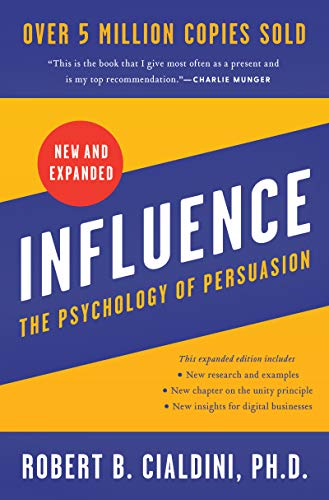
Cialdini’s work on the science of why people say 'yes' is a foundational text that Gladwell himself draws upon frequently. It is highly readable and filled with fascinating examples of how social triggers influence our daily choices.

Taleb examines the massive impact of rare, unpredictable events, providing a counterpoint to the idea that we can easily predict social trends. It is a challenging, thought-provoking read that will change how you view history and probability.

by Dan Ariely
Ariely explores the systematic patterns of our irrationality, showing that we are far less logical than we believe. Fans of Gladwell will appreciate the conversational tone and the use of clever experiments to illustrate complex human behaviors.

Gilbert uses a blend of psychology and neuroscience to explain why we are so bad at predicting what will make us happy in the future. Its engaging, humorous writing style makes complex scientific concepts accessible, much like Gladwell's work.

Not sure what they've already read?
Let them pick their next favorite with an Amazon Gift Card.
As an Amazon Associate, we earn from qualifying purchases.
As an Amazon Associate, we earn from qualifying purchases.