

Based on your book
The Trading Game
by Gary Stevenson
The Trading Game plunges you into the high-octane, morally ambiguous world of Wall Street through the eyes of Gary Stevenson, a working-class kid from East London who became Citibank's most profitable trader. This isn't a celebratory rags-to-riches tale; it's an intense, psychologically charged memoir about the intoxicating lure of wealth and the profound ethical compromises demanded by the financial system. Stevenson pulls back the curtain on the cutthroat trading floor, revealing the gritty reality and the unsettling truth of making a fortune while betting on global misfortune. It's a raw, unvarnished account that captures the adrenaline, the paranoia, and the deep disillusionment of an insider who eventually walked away. This book is for anyone who appreciates a dark, thought-provoking exposé of power, greed, and the human cost of unchecked ambition.
10 Books similar to 'The Trading Game'
If you found yourself gripped by Gary Stevenson's raw, unvarnished look at the trading floor, these recommendations will resonate deeply. We've curated titles that share The Trading Game's intense, behind-the-scenes perspective on the financial world, often exposing its darker underbelly. You'll find similar explorations of moral dilemmas, systemic corruption, and the sheer scale of greed that fuels the industry. These books offer equally gritty and thought-provoking dives into the high-stakes game of wealth and power, often through the eyes of those who witnessed it firsthand or investigated its profound impact.
As an Amazon Associate, we earn from qualifying purchases.

Lewis masterfully uncovers the hidden world of high-frequency trading, exposing the manipulation and ethical dilemmas on Wall Street. Fans of "The Trading Game" will appreciate the investigative journalism and the "behind the scenes" look at how the financial system is rigged.
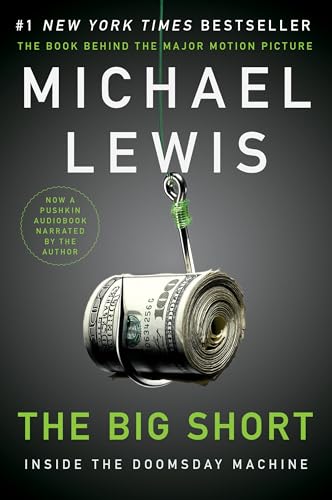
This book dramatically chronicles the individuals who foresaw the 2008 financial crisis, revealing the systemic greed and recklessness that led to it. Readers who enjoyed Stevenson's critical insider perspective will find similar themes of disillusionment and a deep dive into financial malpractice.

Lewis's own memoir recounts his early experiences as a bond salesman at Salomon Brothers, offering a vivid, often cynical, portrayal of 1980s Wall Street culture. It mirrors Stevenson's personal journey into the financial world, highlighting the ambition, excesses, and eventual disillusionment from an insider's perspective.

by Bryan Burrough and John Helyar
This classic of financial journalism offers an unparalleled, detailed account of the leveraged buyout of RJR Nabisco, showcasing intense corporate power struggles and immense greed. It provides a thrilling "behind the scenes" look at high-stakes finance, appealing to those interested in the darker side of ambition and wealth.

Prefer to listen?
Try Audible and hear the story instead of reading it.
As an Amazon Associate, we earn from qualifying purchases.

by David Enrich
Enrich's investigative work exposes the corruption and systemic failures within Deutsche Bank, detailing its involvement with powerful figures and its descent into scandal. Fans of "The Trading Game" will appreciate the deep dive into the opaque world of global finance and its political implications.
This gripping non-fiction narrative delves into the world of insider trading, focusing on the pursuit of wealth at any cost and the intense legal battles that followed. Readers who enjoyed the "gritty" and "intense" exposure of financial misconduct in "The Trading Game" will find this equally compelling.

Stewart meticulously chronicles the insider trading scandals of the 1980s, exposing the rampant greed and corruption that permeated Wall Street during that era. This investigative deep dive into financial malfeasance and the moral compromises made by powerful individuals will resonate with readers of "The Trading Game."
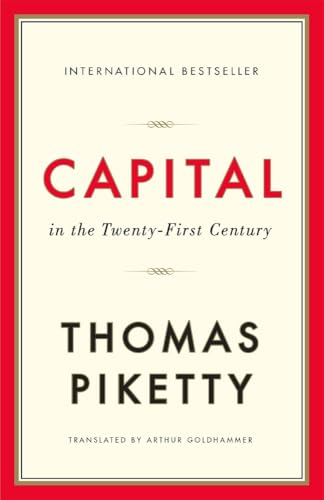
While more academic, Piketty's seminal work provides a comprehensive analysis of wealth inequality and the dynamics of capitalism over centuries, offering crucial context for Stevenson's personal critique of the financial system. Readers interested in the broader "political" and "philosophical" underpinnings of "The Trading Game" will find this highly illuminating.

Belfort's outrageous memoir details his meteoric rise and spectacular fall as a stockbroker, chronicling a life of extreme excess, fraud, and hedonism. Fans of "The Trading Game" will recognize the "gritty" insider perspective on financial ambition and the "moral ambiguity" of pursuing wealth at any cost, albeit from a different, more debauched angle.

This book recounts the dramatic story of Long-Term Capital Management, a hedge fund run by Nobel laureates whose collapse nearly triggered a global financial meltdown. It's a compelling cautionary tale about hubris, complex financial models, and the systemic risks within the financial world, echoing Stevenson's critique of the system's fragility.

Love to read on the go?
Explore Kindle e-readers and take your books with you.
As an Amazon Associate, we earn from qualifying purchases.
As an Amazon Associate, we earn from qualifying purchases.