

Based on your book
The Triggering Town: Lectures and Essays on Poetry and Writing
by Richard Hugo
Richard Hugo does not care for the stuffy, academic rules that often turn poetry into a chore. Instead, he treats writing as a deeply human, often messy act of self-discovery. These lectures focus on the distinction between the triggering subject—the initial spark that gets you to the page—and the real subject, which is the emotional truth you eventually unearth. Reading this feels like sitting in the back of a workshop with a professor who is more interested in your honesty than your grammar. Hugo is blunt, funny, and profoundly supportive of the writer who feels like an outsider. If you have ever felt paralyzed by the pressure to be profound or technically perfect, this book will give you permission to just start writing and see where the language takes you.
10 Books similar to 'The Triggering Town: Lectures and Essays on Poetry and Writing'
If Hugo's insistence on emotional honesty resonated with you, these selections were curated to further your exploration of the craft. We chose these books because they mirror Hugo's rejection of pretension, favoring a grounded, mentor-like approach to the creative life. Whether you are looking for the Zen-like practice of Goldberg, the technical rigor of Le Guin, or the psychological insights of Rollo May, these writers share a common goal: helping you navigate the anxiety of the blank page while honoring your own unique voice and the necessary solitude of the writing life.
As an Amazon Associate, we earn from qualifying purchases.
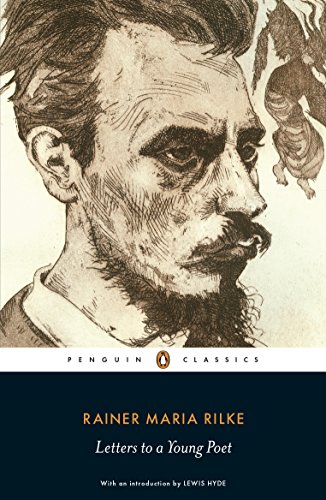
Like Hugo, Rilke offers profound, compassionate guidance on the interior life of a writer, emphasizing the necessity of solitude and deep introspection. It shares the same gentle, mentor-like tone that encourages poets to trust their own creative instincts over rigid academic structures.

Dillard captures the intensity and often grueling nature of the creative process with a lyrical precision that mirrors Hugo's own dedication to the craft. It serves as an essential companion for those who appreciate Hugo's honest, unvarnished look at what it actually feels like to sit down and write.

by Anne Lamott
Lamott shares Hugo's belief that writing is a way to navigate the messiness of life, offering practical, often humorous advice on overcoming the paralysis of perfectionism. It is a warm, accessible text that demystifies the writing process while honoring the emotional stakes involved.

by Mary Oliver
Oliver provides a masterclass in the technical and spiritual aspects of poetry, much like Hugo's lectures, but with a focus on the natural world as a primary source of inspiration. Readers who value Hugo's focus on the 'triggering subject' will find her insights on observation and attention deeply resonant.

Not sure what they've already read?
Let them pick their next favorite with an Amazon Gift Card.
As an Amazon Associate, we earn from qualifying purchases.

by Rollo May
This book explores the psychological necessity of creativity, aligning perfectly with Hugo's arguments about the poet's need to confront their own anxieties and fears. It provides a deeper analytical framework for the emotional risks that Hugo discusses throughout his essays.
Le Guin approaches writing with the same rigorous, no-nonsense attitude as Hugo, focusing on the mechanics of language—sound, rhythm, and syntax—to unlock deeper meaning. It is a perfect follow-up for readers who want to apply Hugo's philosophy to the actual building blocks of their own work.

by Stephen King
While the genre differs, King shares Hugo's disdain for pretension and his insistence that writing is a trade that requires discipline, observation, and a willingness to be honest. It is a pragmatic, gritty look at the life of a writer that echoes Hugo's own down-to-earth perspective.

Goldberg's approach to writing as a form of Zen practice mirrors Hugo's idea of letting the imagination lead the way, bypassing the critical mind to find the 'real subject.' It is a classic text that encourages the same kind of vulnerable, stream-of-consciousness exploration that Hugo championed.

by Mark Forsyth
For readers who loved Hugo's focus on the technical mastery of poetry, this book offers a fascinating, witty deep dive into the rhetorical devices that make language powerful. It provides the 'how-to' behind the emotional resonance Hugo describes in his essays.

by John McPhee
McPhee, a master of non-fiction, shares Hugo's obsession with the structure and architectural integrity of a piece of writing. His essays offer a meticulous, analytical look at the craft that will satisfy readers who appreciated the technical advice hidden within Hugo's lectures.

Prefer to listen?
Try Audible and hear the story instead of reading it.
As an Amazon Associate, we earn from qualifying purchases.
As an Amazon Associate, we earn from qualifying purchases.